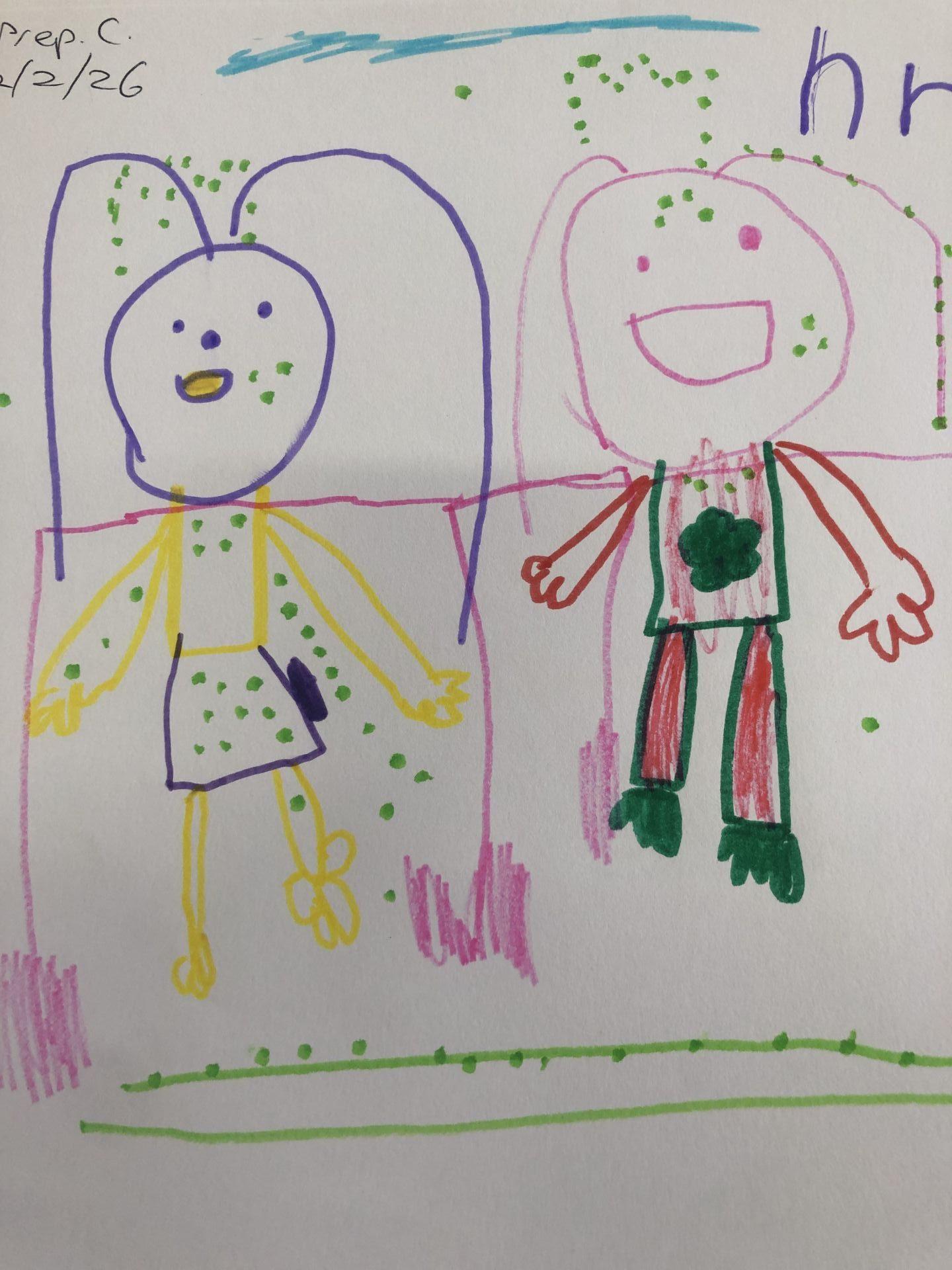
In our classrooms, staffroom, and community

Read on to find out what has been happening at GIPS the past fortnight. We have added three dates to the calendar: Harmony Day, House Cross Country, and Hoop Time.

In our classrooms

Cyber Safety in Our Digital World- What It Means for Our Students

This week we focussed on Safer Internet Day at GIPS.

In today’s increasingly connected world, our students are growing up in a digital environment that presents both exciting opportunities and real risks. At school, we include cyber safety education as part of our learning programs to help students navigate online spaces safely, respectfully and confidently. This is included in our Safe User Agreement that went home recently, our Respectful Relationships curriculum, and active and careful monitoring when devices are used in class. This work is grounded in research and best practice that shows digital engagement can expose young people to harmful content and unsafe interactions if not managed carefully.

Why Cyber Safety Matters
Children’s online experiences are now central to how they learn, socialise and relax. Australian research shows that negative online harms affect a large proportion of children and that negative experiences can impact mental health and wellbeing. It is for these reasons that our students have limited device use (following the Department of Education's 2027 guidelines in the Digital Devices policy) that is carefully monitored during school hours.

Although younger children are less likely than older young people to report negative online experiences Australia-wide, primary-aged students can still encounter problematic interactions, especially as they begin using messaging and group chat platforms outside of school hours.

How We Address Cyber Safety at School
At our school, cyber safety is incorporated into classroom learning. Students are taught to:

  • Understand the importance of protecting private information online

  • Recognise online risks such as inappropriate contact

  • Respond safely if they encounter upsetting or harmful content

  • Report concerns to a trusted adult including parents and teachers

We also partner with reputable external resources to ensure our approach reflects current research and online trends.

Group Chats and Social Belonging: What Parents Need to Know
Some older children use group chats (e.g., via messaging apps) to stay in touch. While these can feel like an easy way for children to connect with peers outside of school, they bring specific challenges:

  • Group chats often operate “under the radar” and can contain unfiltered or inappropriate content that children may be unprepared to manage.

  • Unrestricted, always-on communication can fuel anxiety, fear of missing out, and social pressure to respond outside school hours

It’s also important to recognise that research demonstrates that a strong sense of belonging in school ultimately comes from positive offline relationships and inclusive classroom environments, not from constant digital messaging. Traditional peer connections, supported by face-to-face interaction and supportive school culture, remain fundamental to children’s wellbeing and academic engagement. Some studies even suggest that increased social media use in adolescence does not necessarily strengthen social skills or offline friendships and may pose risks for vulnerable or socially anxious children if not managed carefully.

Practical Guidance for Parents
Here are ways you can support healthy digital habits at home:

  • Monitor group chats and messaging activity

  • Set clear boundaries around device use, especially outside school hours

  • Talk openly with your child about what they see and experience online, and let them know they can come to you with concerns

  • Consider whether group chats are necessary for your child- research suggests they are not required for children to feel socially accepted or connected to peers, and in some cases closing them can reduce stress and exposure to negative online behaviour.

Cyber safety is a shared responsibility. By working together (school, parents and carers) we can help our children enjoy the benefits of technology while protecting them from its risks.

For further resources and support, visit the eSafety Commissioner’s Stay Smart Online guides and we recommend signing up for the Cyber Safety Webinars advertised on Compass, in last fortnight's newsletter, and in this newsletter further below.

GIPS Acceptable User Agreement 2026- Parent Information

Maddie Witter

Principal

In prep

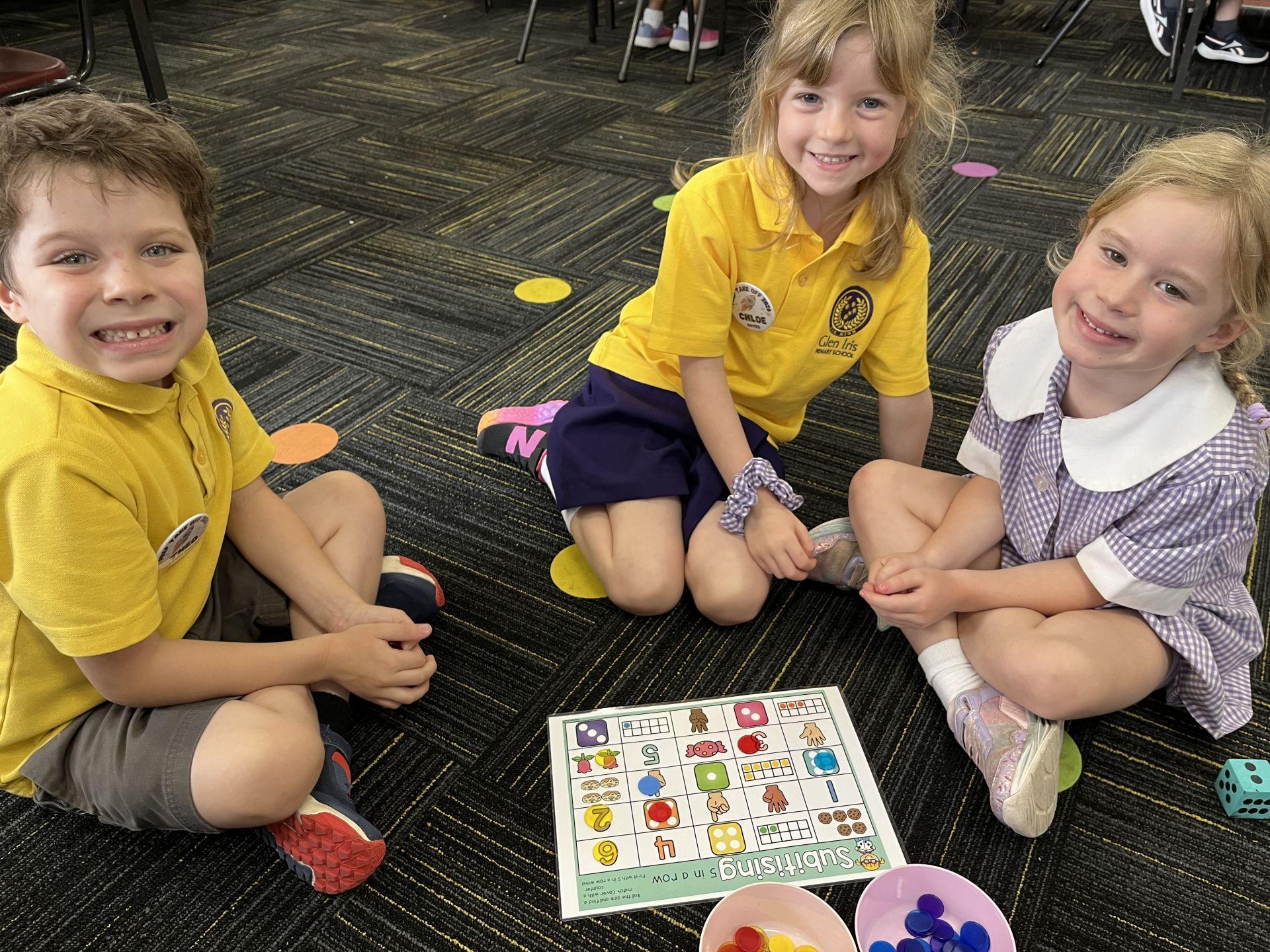
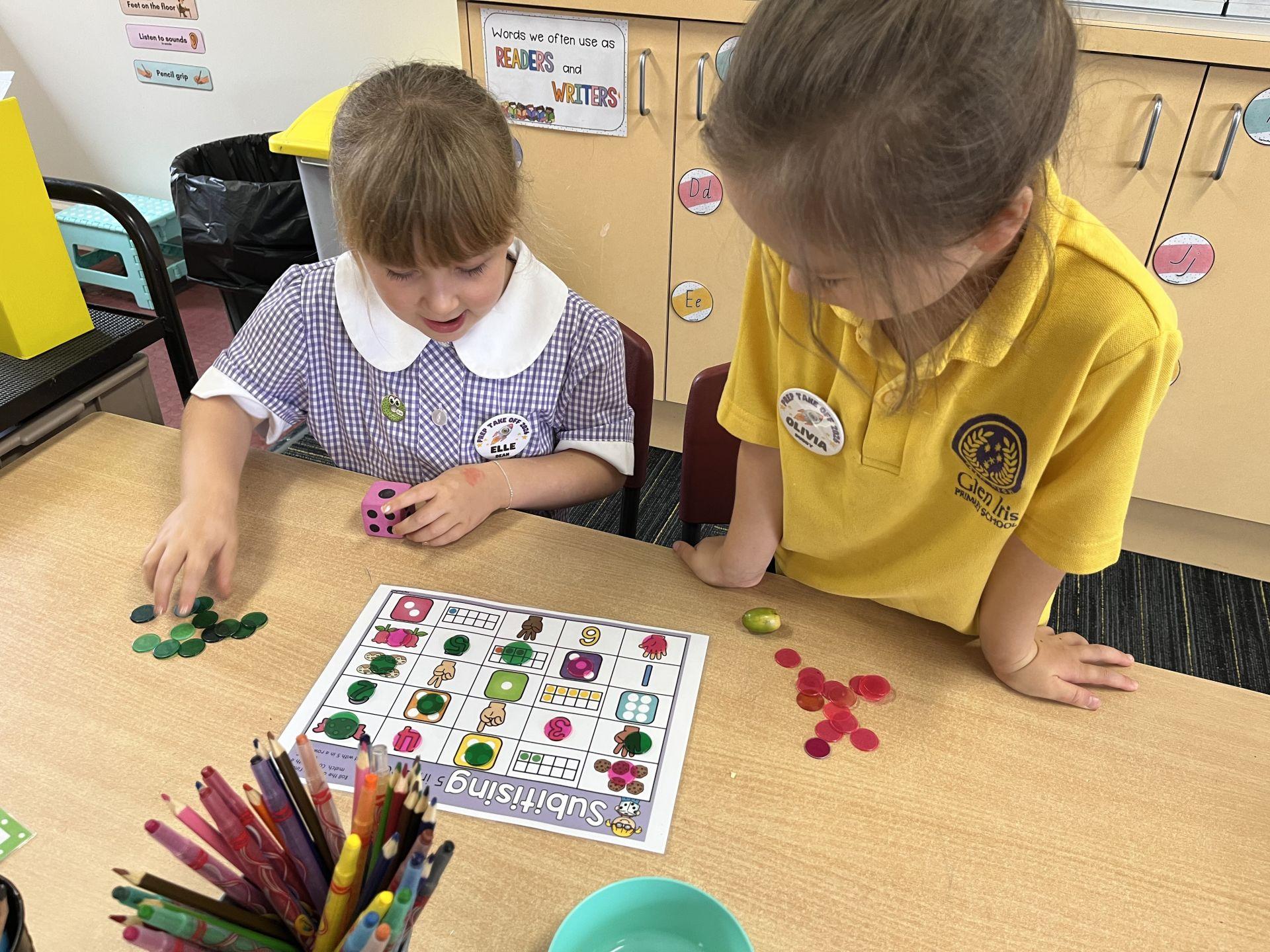
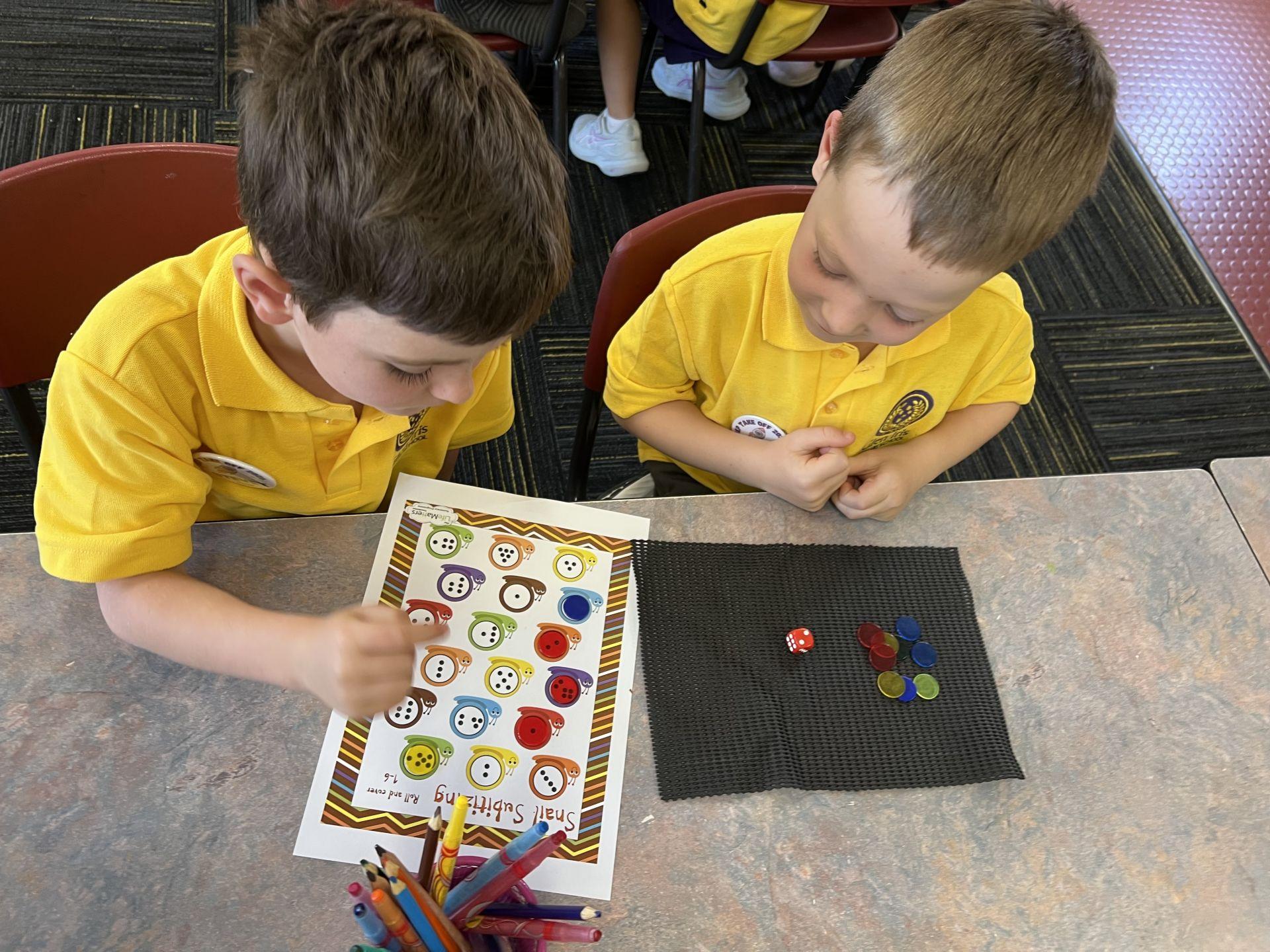
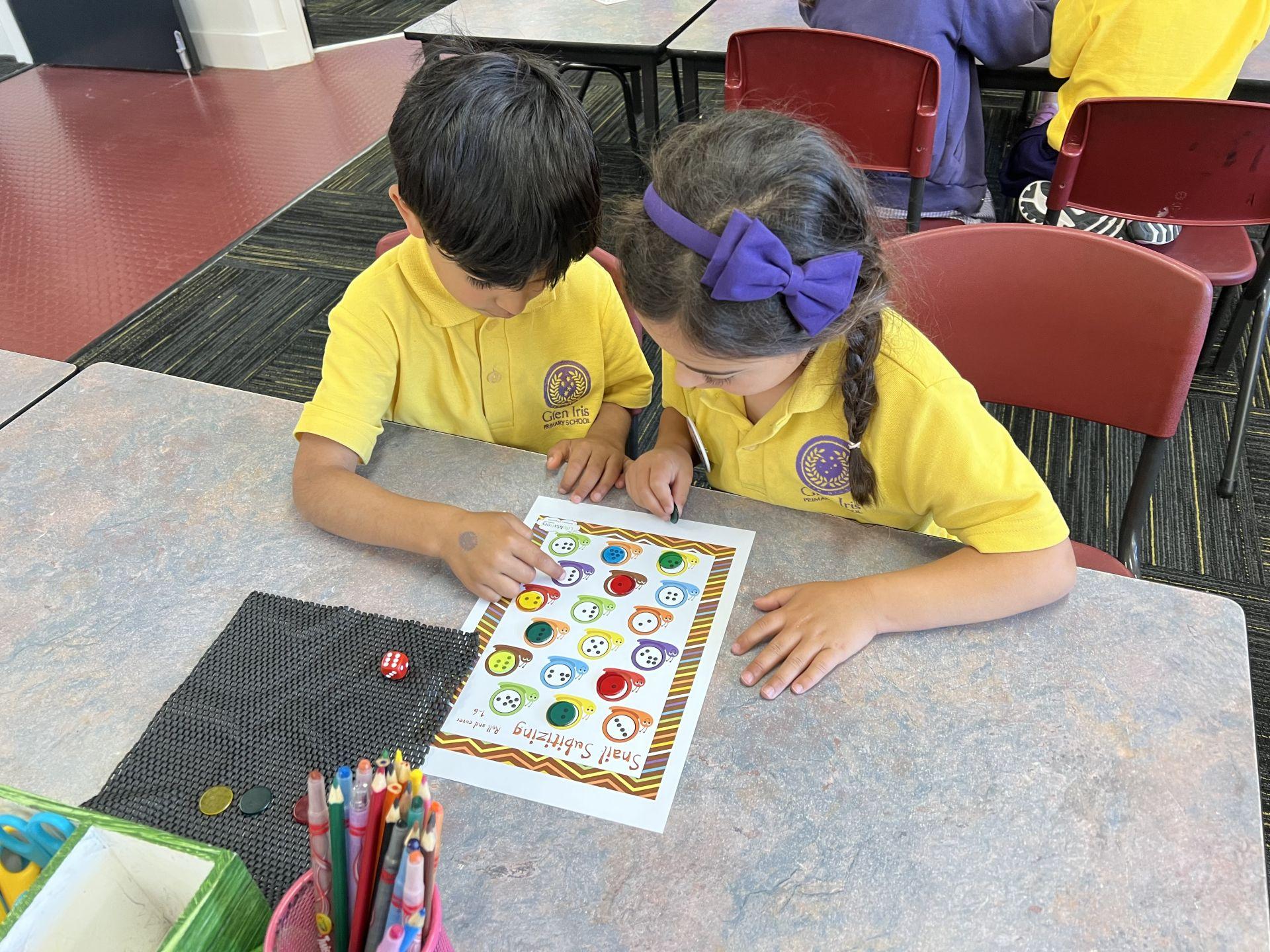
Our Prep students have been busy exploring subitising in Maths (the ability to recognise the number of objects in a small group without needing to count them one by one). We’ve been learning through a variety of maths games that help build confidence and number sense. Along the way, we are also practising what makes a good learning partner, including taking turns, listening carefully, and following the rules of the game.

You can support this learning at home by:

  • playing simple number games with dice or cards and encouraging them to quickly say how many they see without counting.
Grade 1 – We Are Expert Counters

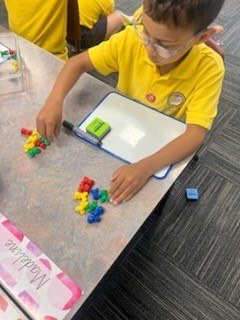
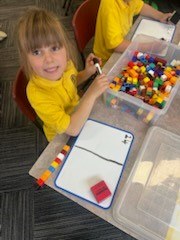
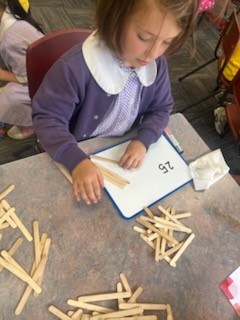
This week, Grade 1 learners strengthened their counting skills through hands-on activities using counters, pop sticks and Unifix cubes. They practised careful one-to-one counting, explored strategies like touching and moving objects, lining up items and re-counting to check accuracy. We also investigated skip counting to count larger collections more efficiently. Students practised recording two-digit totals, focusing on writing numbers accurately with digits in the correct places and forming numbers correctly. These activities revised number knowledge and built confidence when working with collections.

You can support this learning at home by:

  • Asking your child which strategies help them be expert counters (e.g. touch and move, lining up objects, recounting, skip counting).
  • Encouraging your child to make and count their own collections (e.g. Lego, pasta, buttons), touching or moving each item as they count. Support your child to re-count to confirm their total as well!
  • Practising counting small collections (e.g. toy cars) by grouping items in 2s or 5s and skip counting to find the total.
  • Taking learning outside: collect items from nature, count them together, and record the total using chalk.

In grade 2

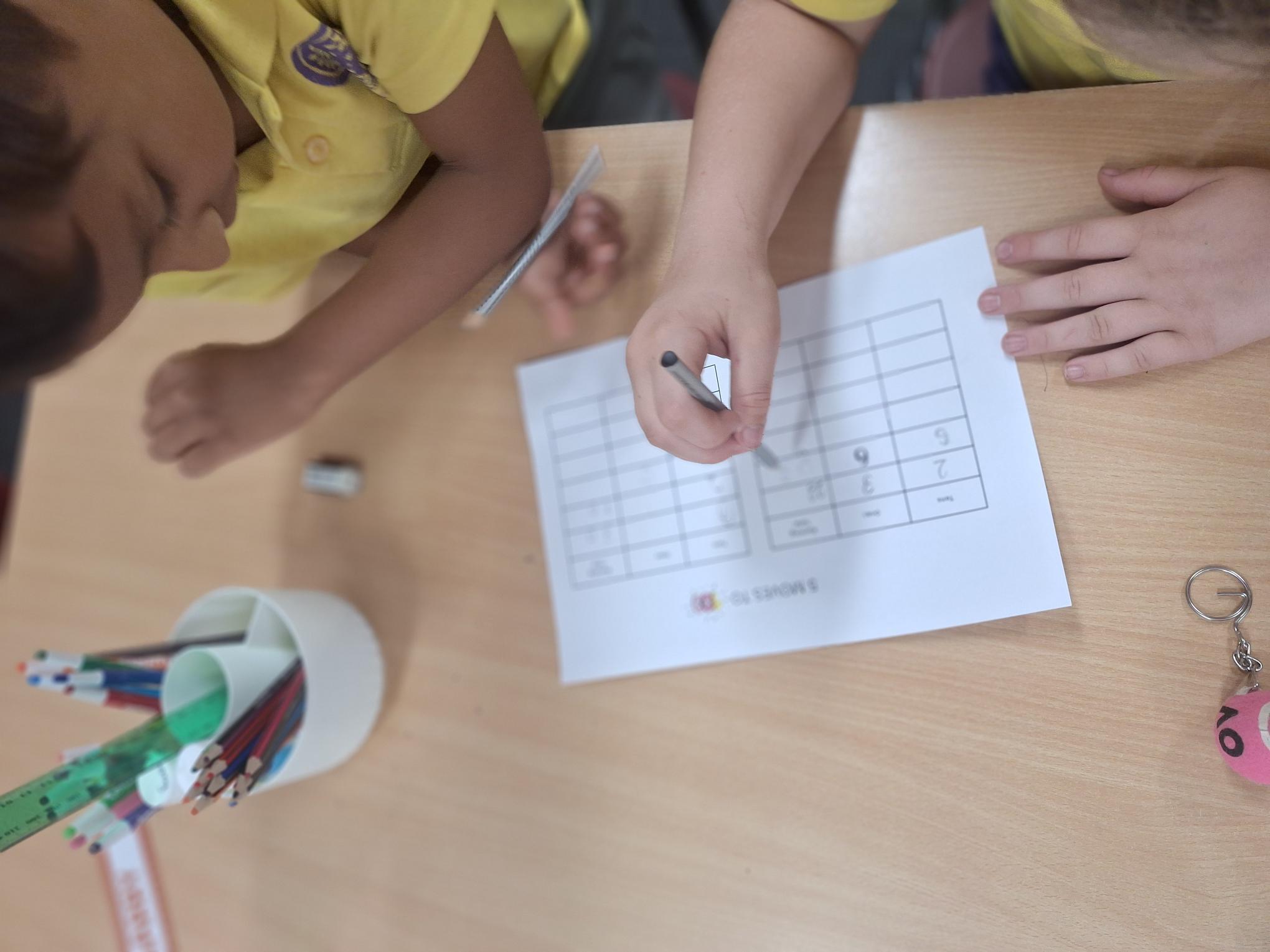
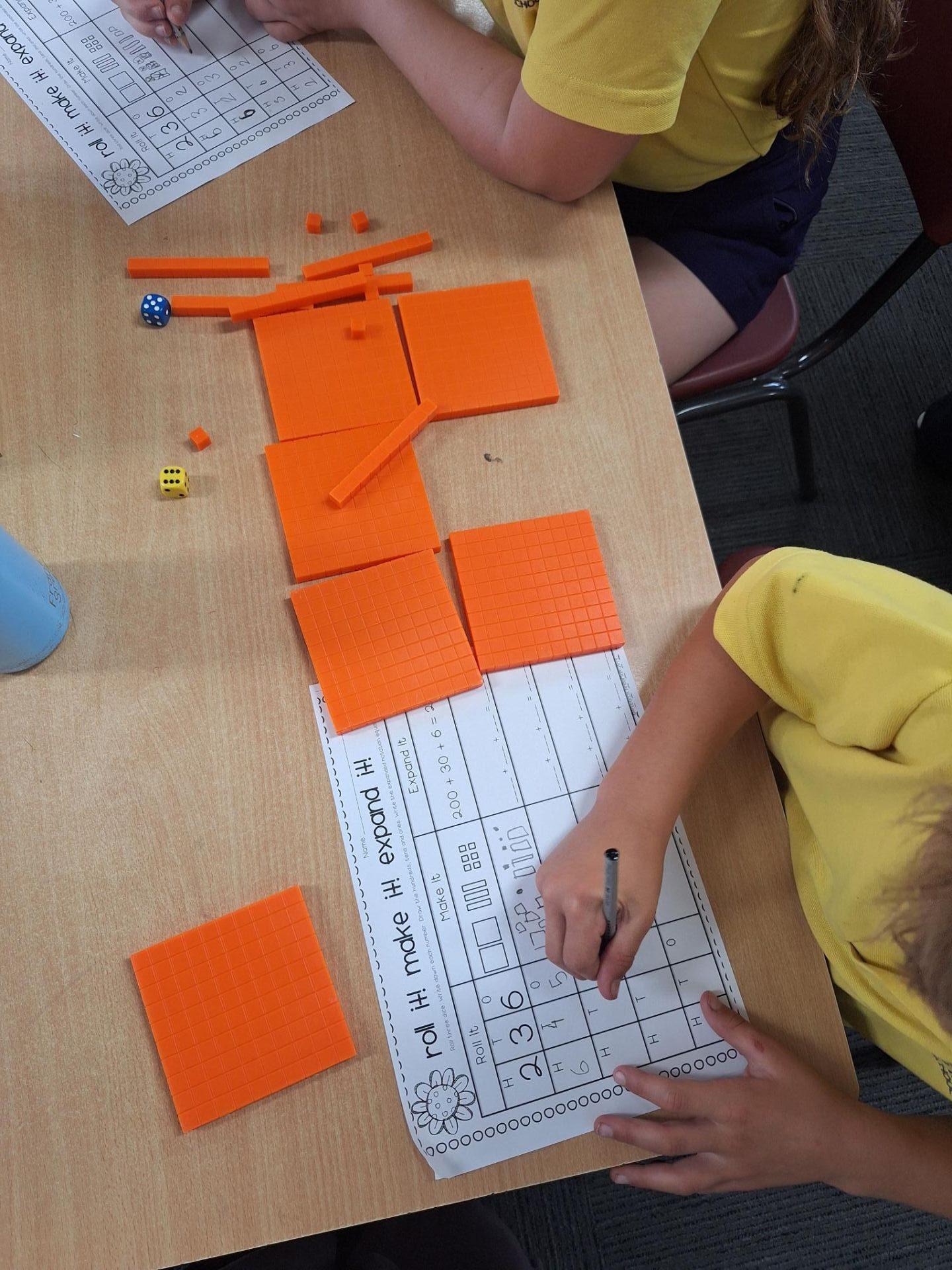
This week in Year 2, we have been extending our understanding of place value through fun and engaging whole-class games, partner activities, and independent tasks. Students have been practising how to identify two- and three-digit numbers with the support of concrete materials. Some of the games we’ve been playing include Roll It, Make It, Expand It, as well as Mastermind and 5 Moves to 100/1000.

Families, you can try these games at home too! You might also enjoy playing “Can You Guess My Number?” by giving clues such as: “I have 3 hundreds, 4 tens, and 2 ones. What number am I?” For an extra challenge, give fewer clues or have your child create a mystery number for you to guess.

In grade 3

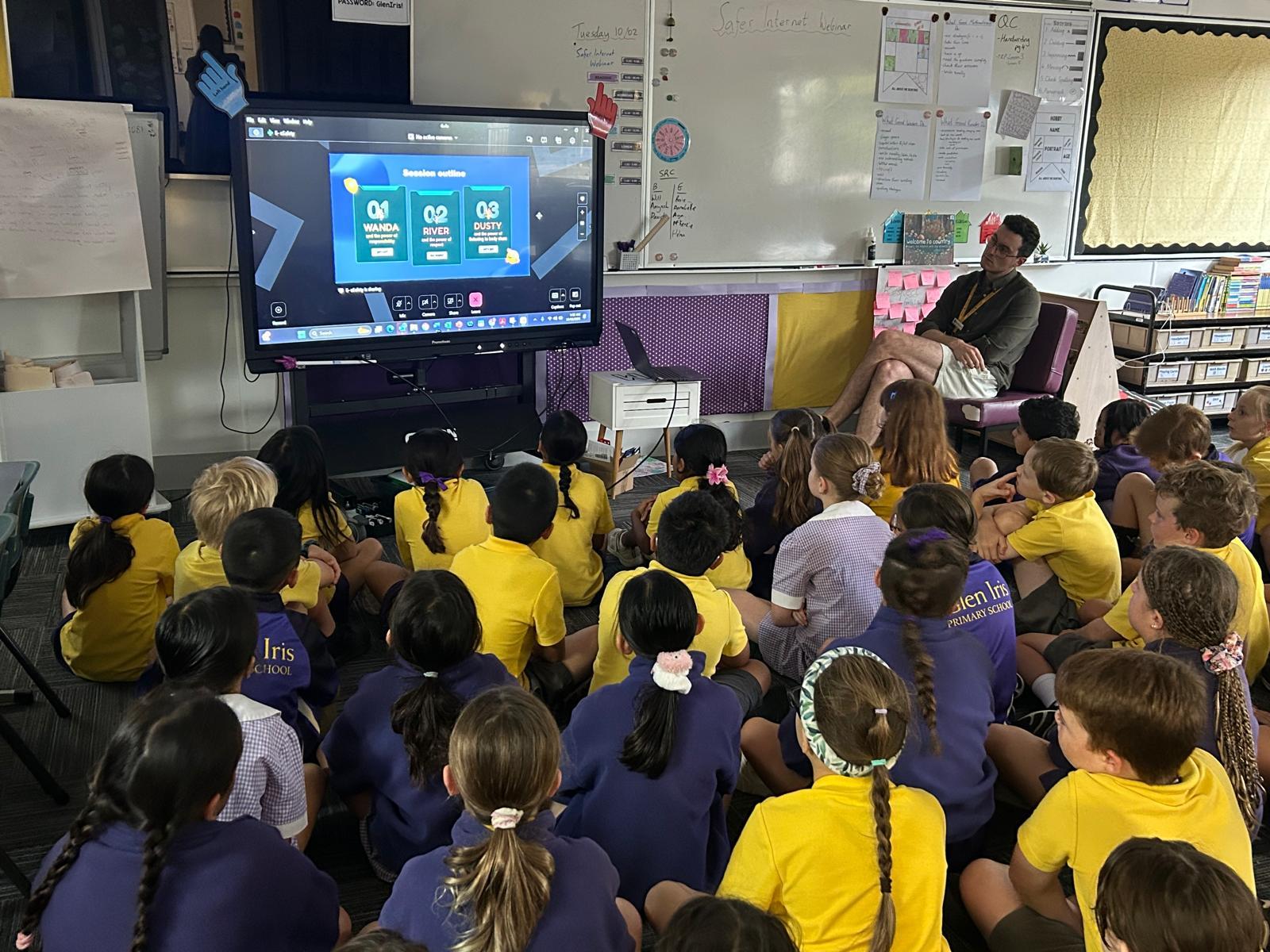
Last Tuesday 10th February was Safer Internet Day. This day is an opportunity for communities, schools and families to take a moment to talk about what is happening when we communicate online and what we can do to make our online interactions safer. To mark this global event, Grade 3 students attended an online webinar with hundreds of other schools. During the webinar, students discussed how to show respect and take responsibility in online environments. They applied strategies to address unsafe or uncomfortable situations while gaming through role-plays and identified the qualities of a trusted adult to obtain support for online encounters.

You can support this learning at home by:

  • talking to your child about what they learnt during the webinar and discuss strategies for what your child could do if they ever felt unsafe or uncomfortable when interacting online

In grade 4

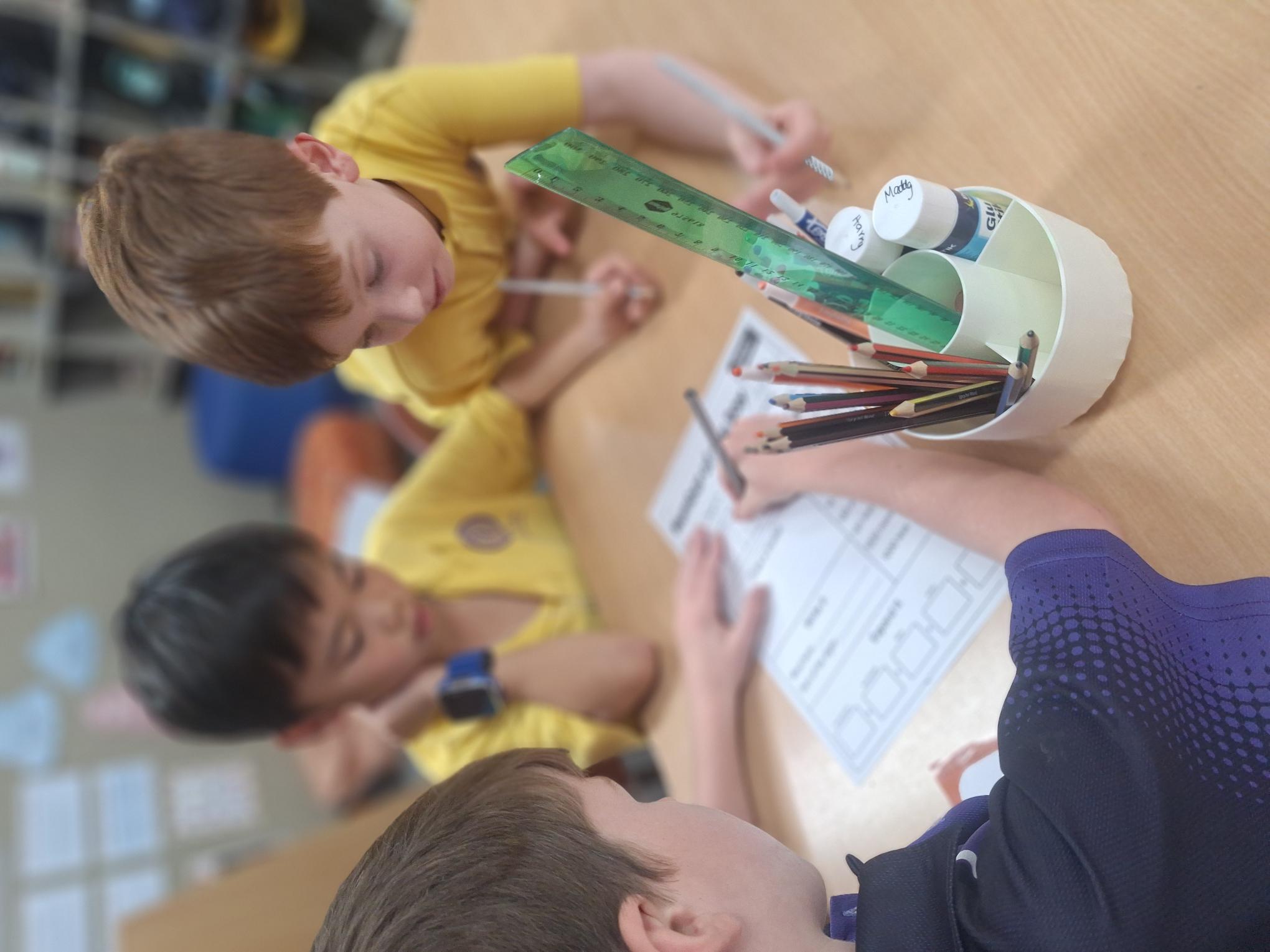
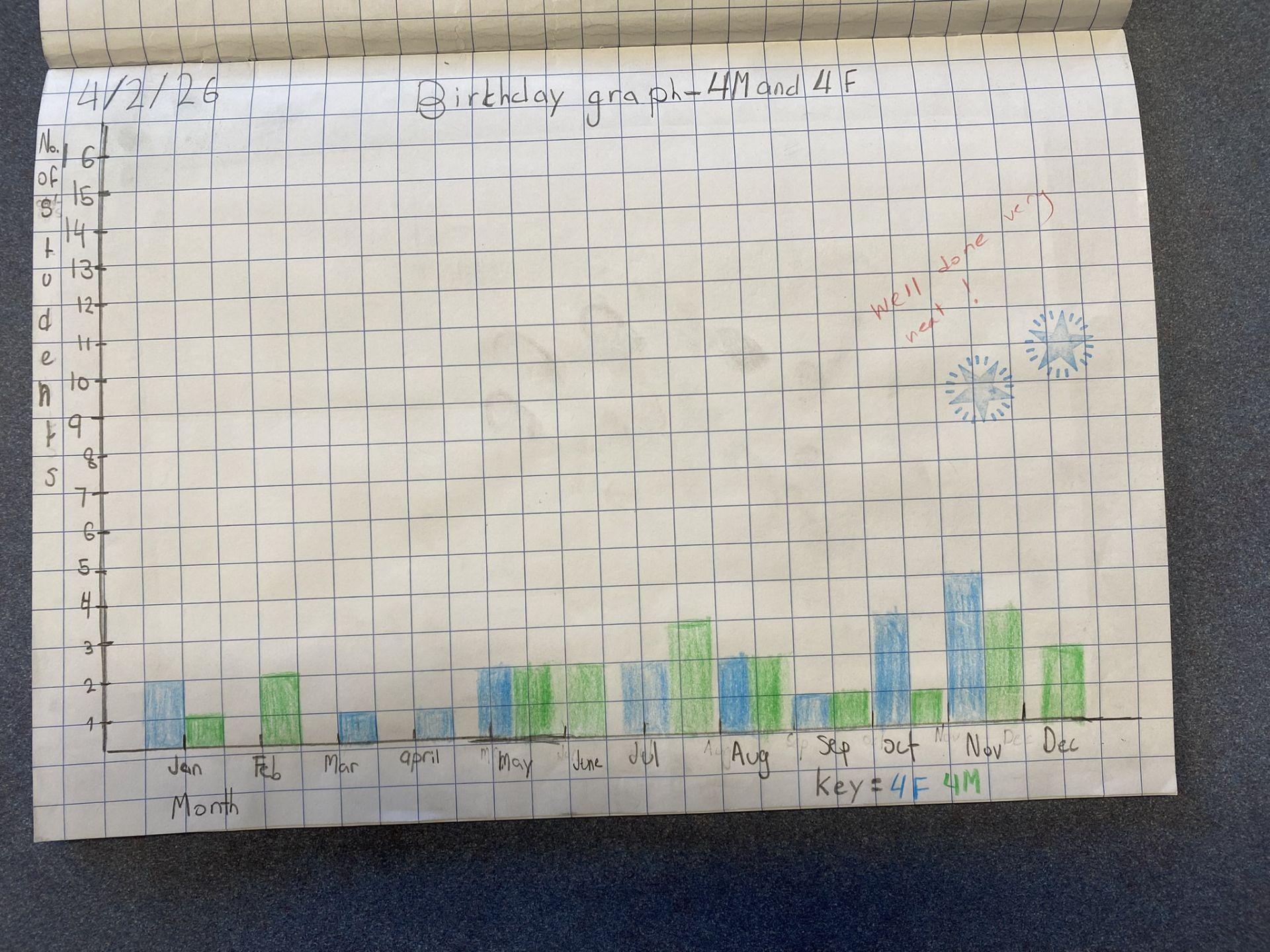
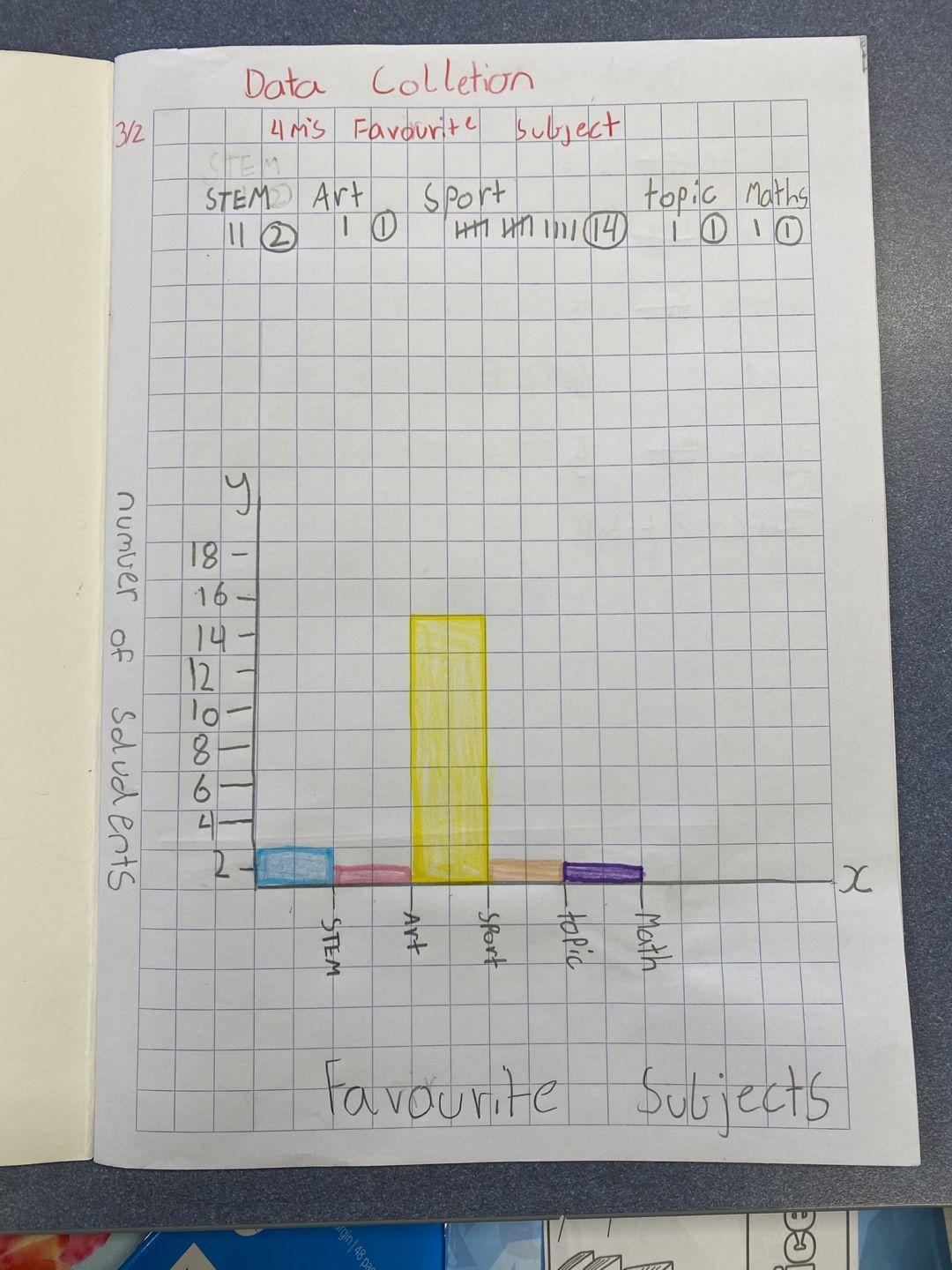
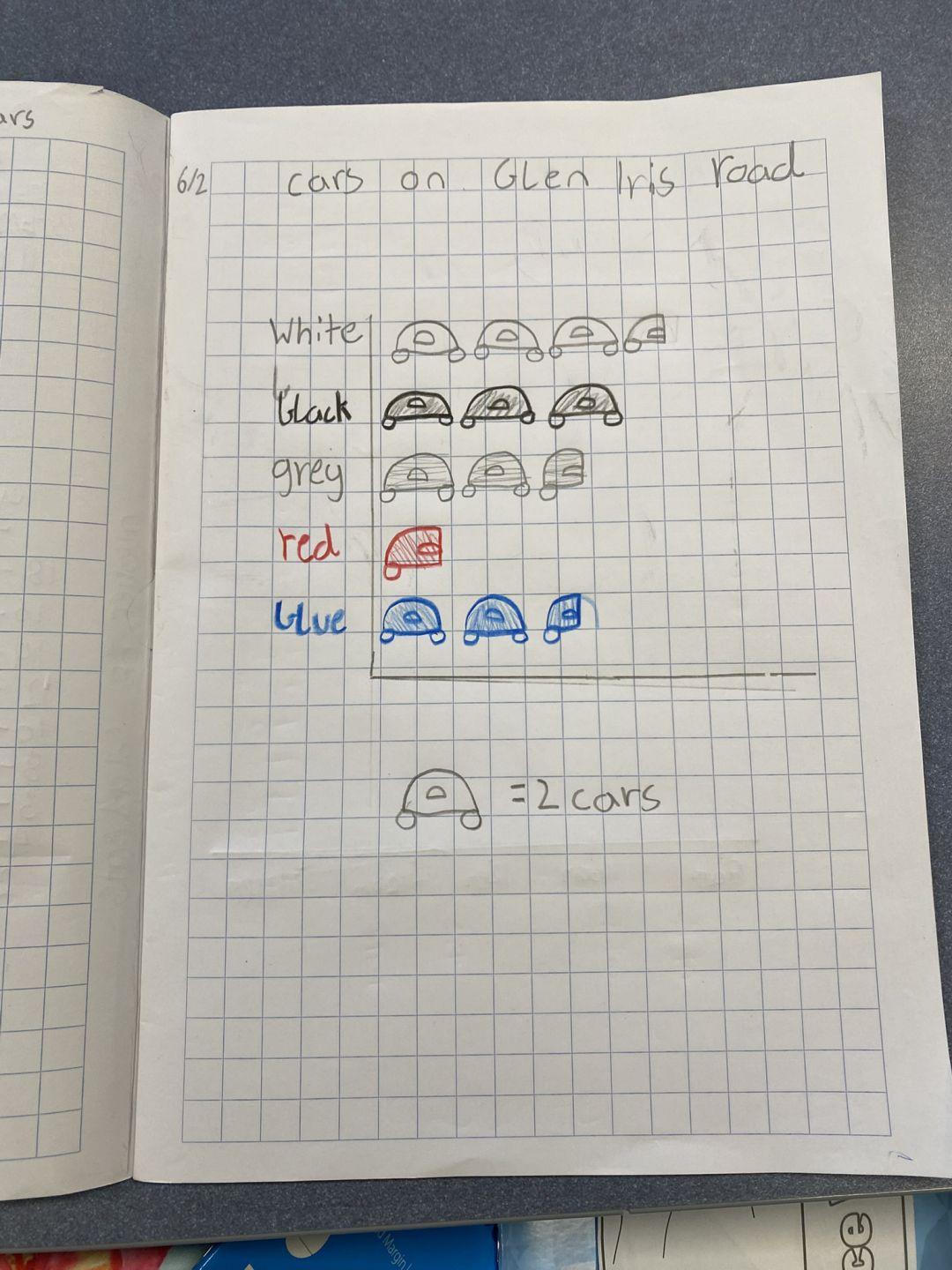
In Year 4, students have been learning about data and how to represent it using different types of graphs. They have been collecting data both inside and outside the classroom and discussing which type of graph is most suitable for different sets of information. Students have created bar graphs and pictographs, and have been using tally marks to help them collect and organise their data. We have also been focusing on making graphs clear, accurate, and easy to read.

You can support this learning at home by playing data collection yourself, for instance by spotting which type of car they can tally when driving.

In grades 5 and 6

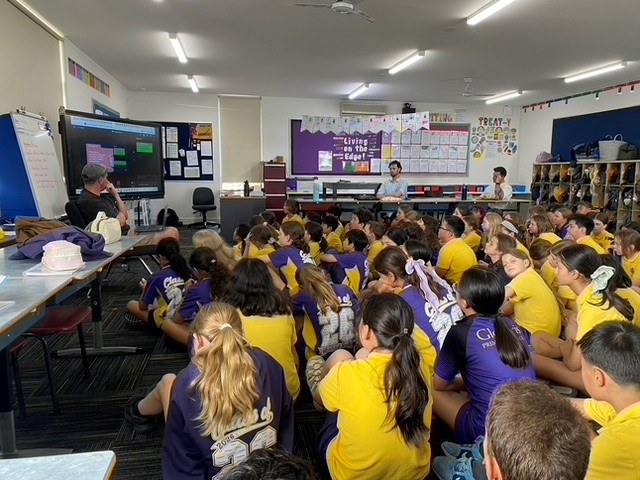
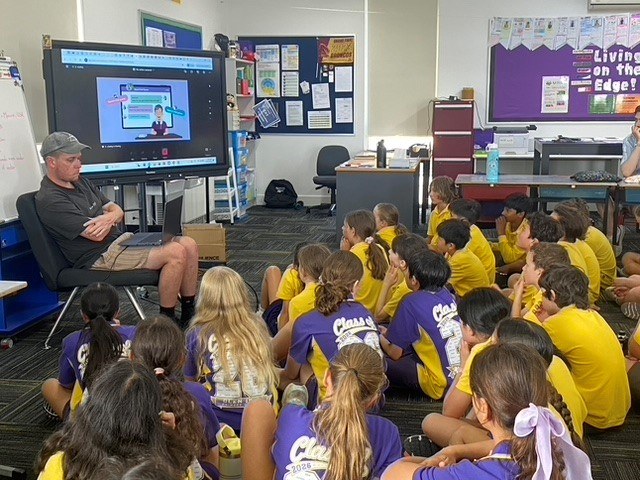
Students in Grade 5 and 6 joined an Australia wide Cyber Safety Webinar on Tuesday. The focus was “Your Choices in Chats”. Students explored how their choices in online chats can positively influence their online friendships and peer wellbeing. Students were engaged throughout; navigating scenarios like fake accounts and problematic group chats and discovered how an upstander can choose empathy and respect.

You can support this learning at home by:

  • continuing the conversation at home with their children on a regular basis. Discussions about respectful behaviour online and who to turn to when they are feeling uncomfortable are good places to start. Using vocabulary such as ‘upstander’, ‘empathy’ and ‘respect’ will guide children towards making smart choices about their participation in online chats.

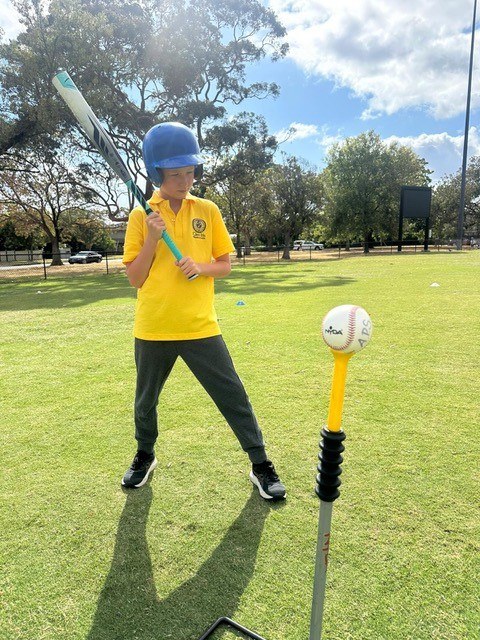
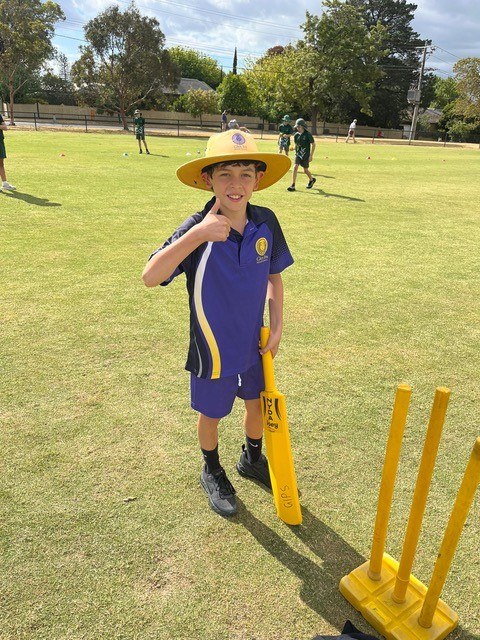
Grade 5 and 6 had their first taste of Interschool Sport competition last week against Ashburton. Students were outstanding representations of GIPS and our school values. They played fair, encouraged their teammates, and congratulated the opposing school for their win/participation. We would love students to head out with their friends on the weekend to practise their chosen sport! Physical activity is not only healthy for our bodies, but also our minds.

In our art room

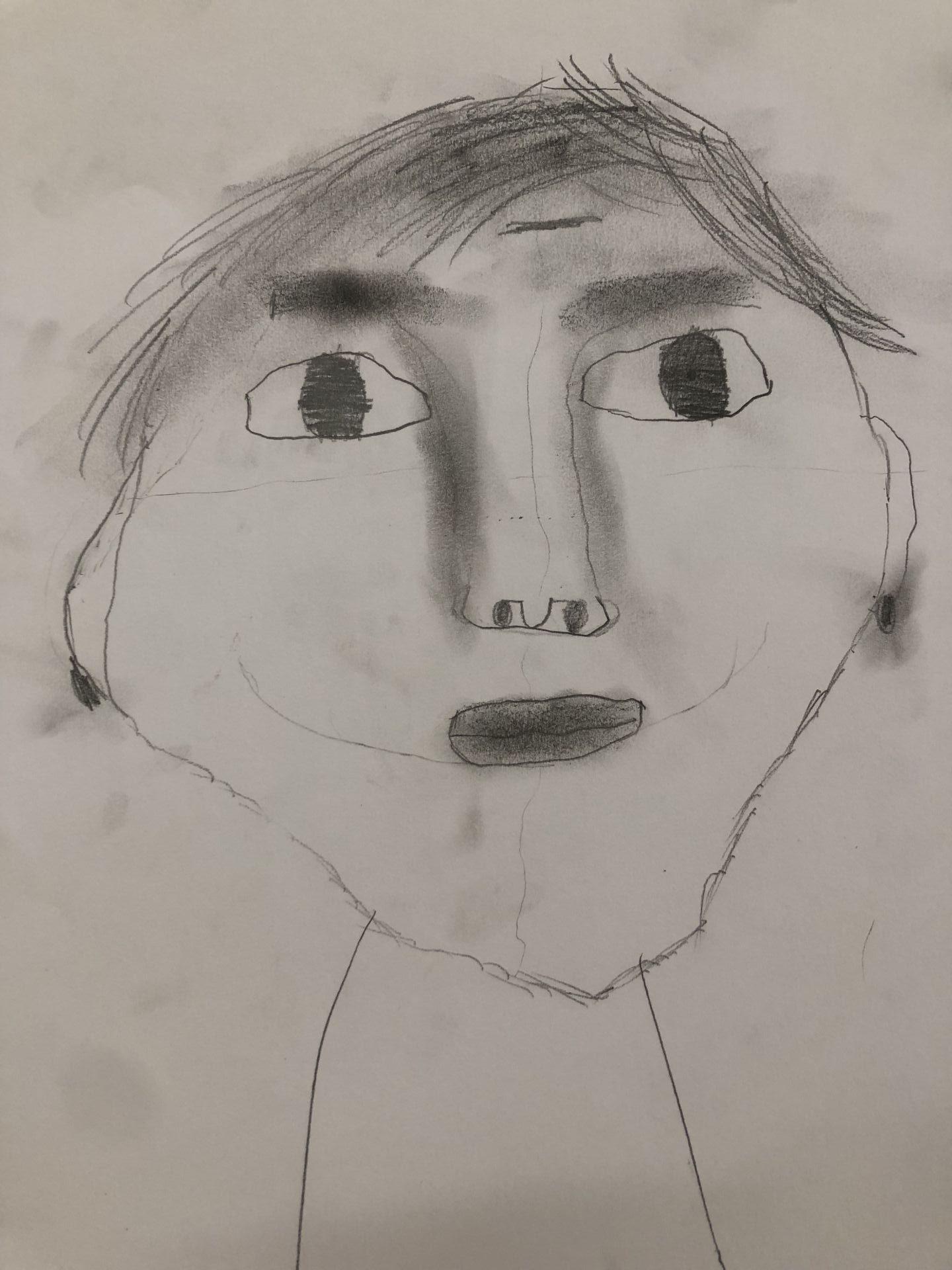
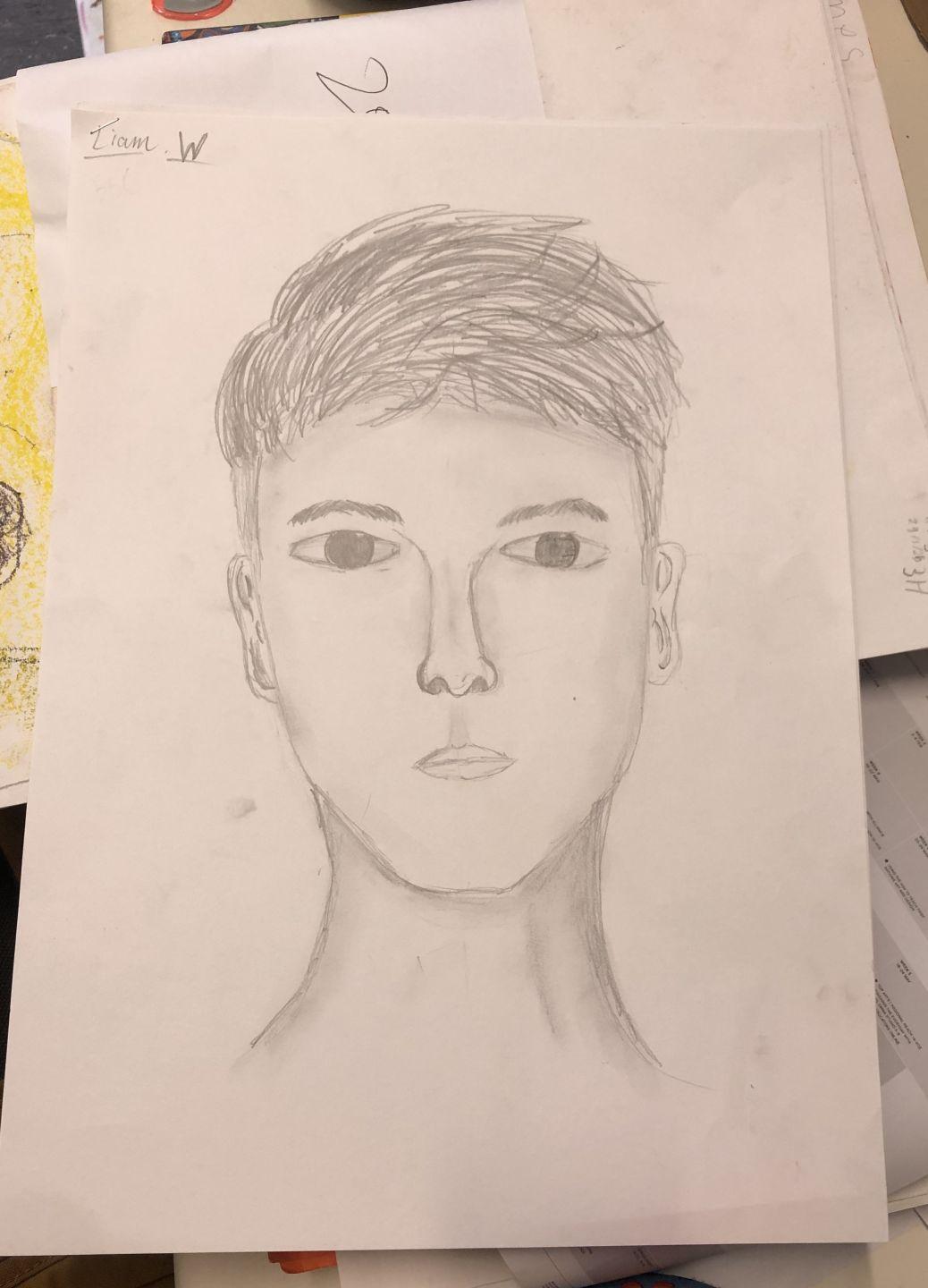
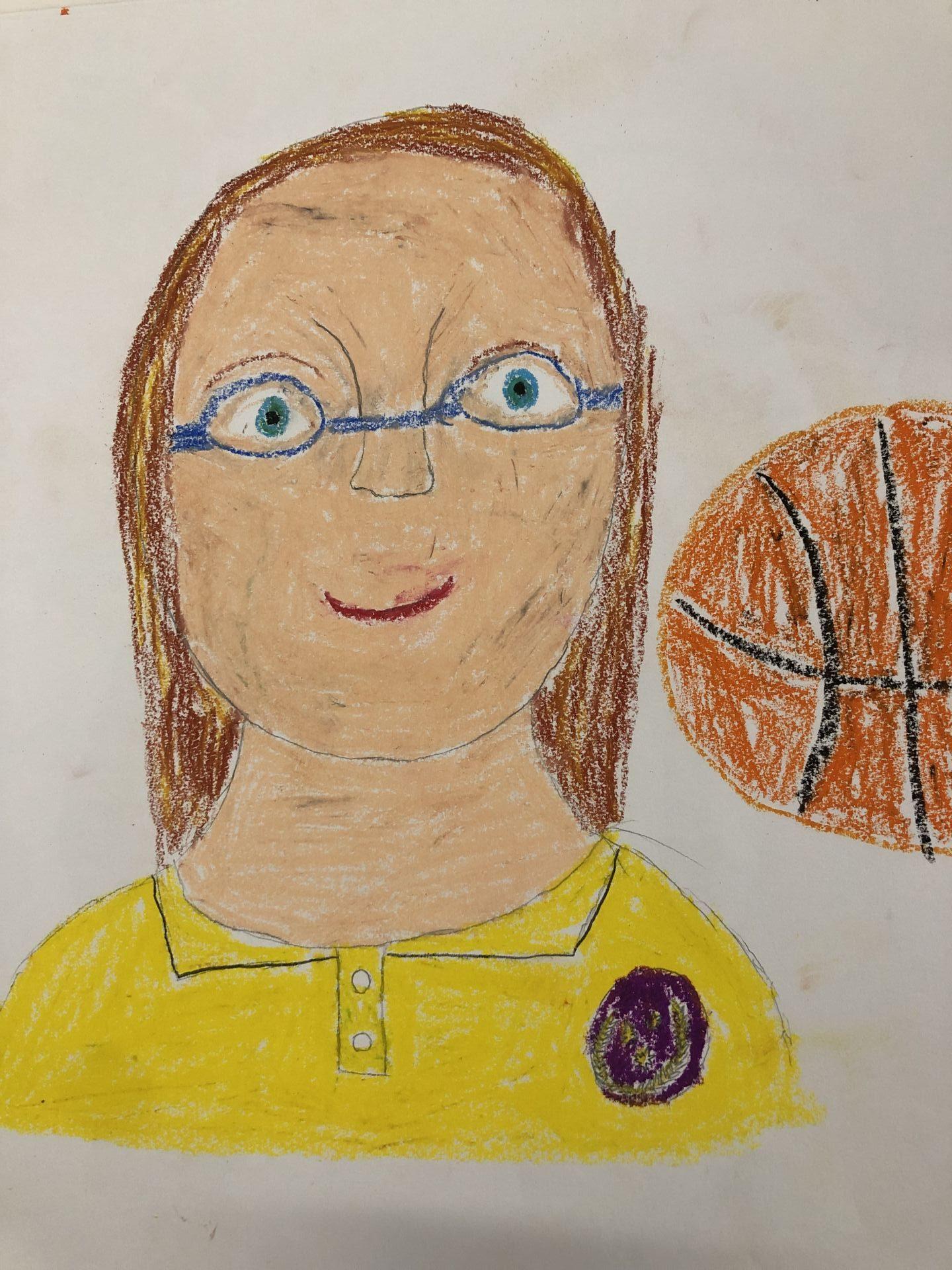
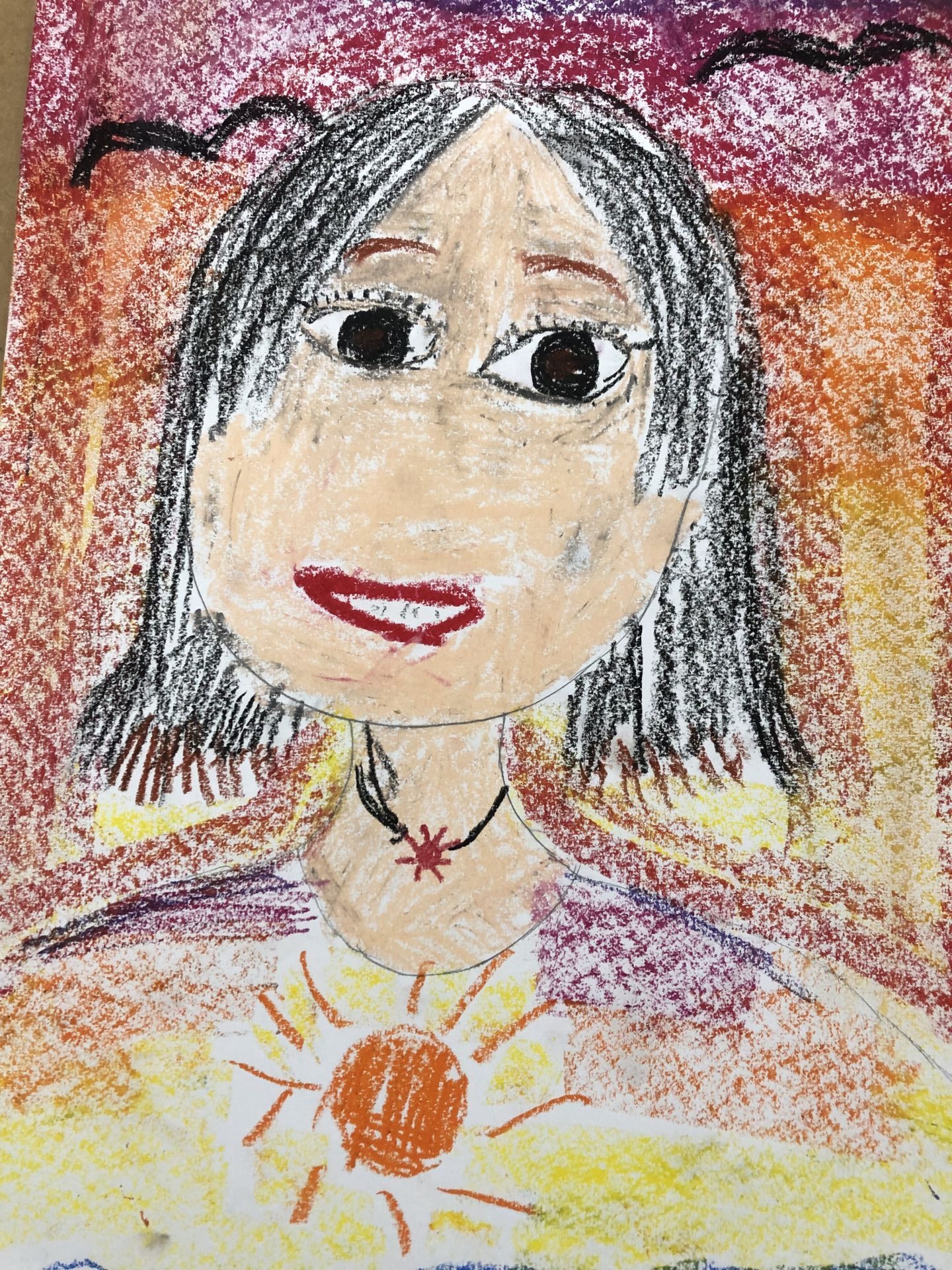
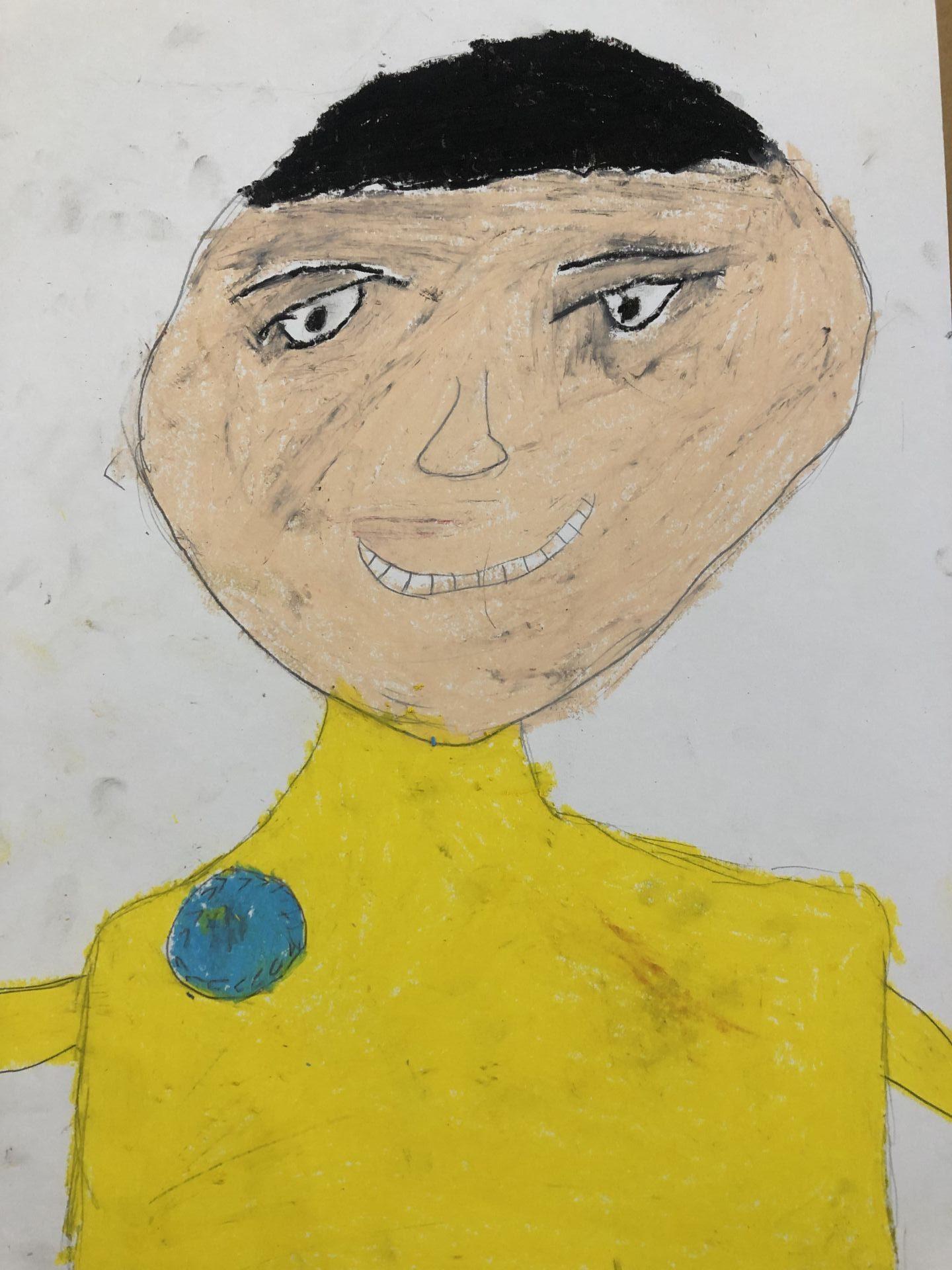
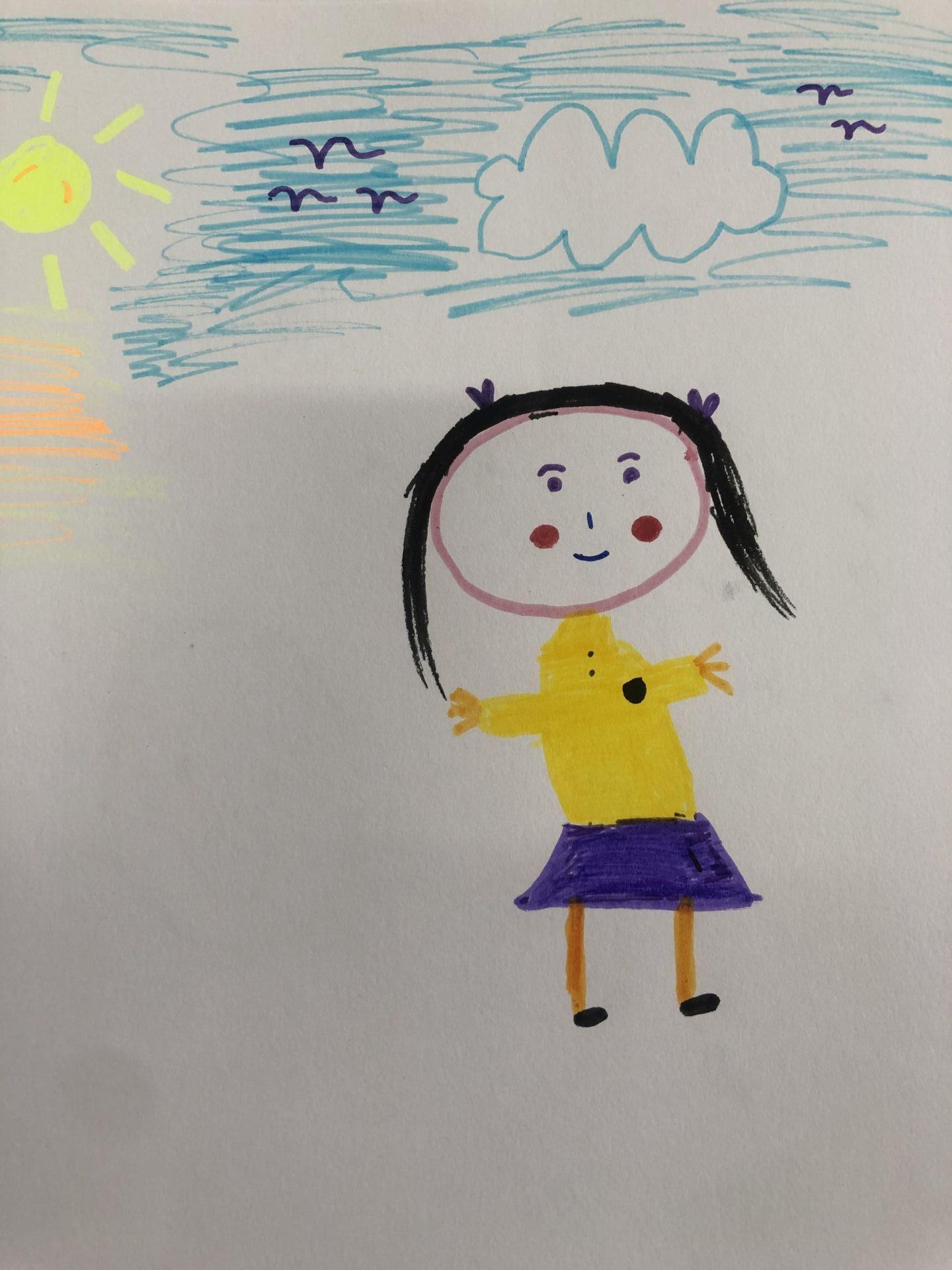
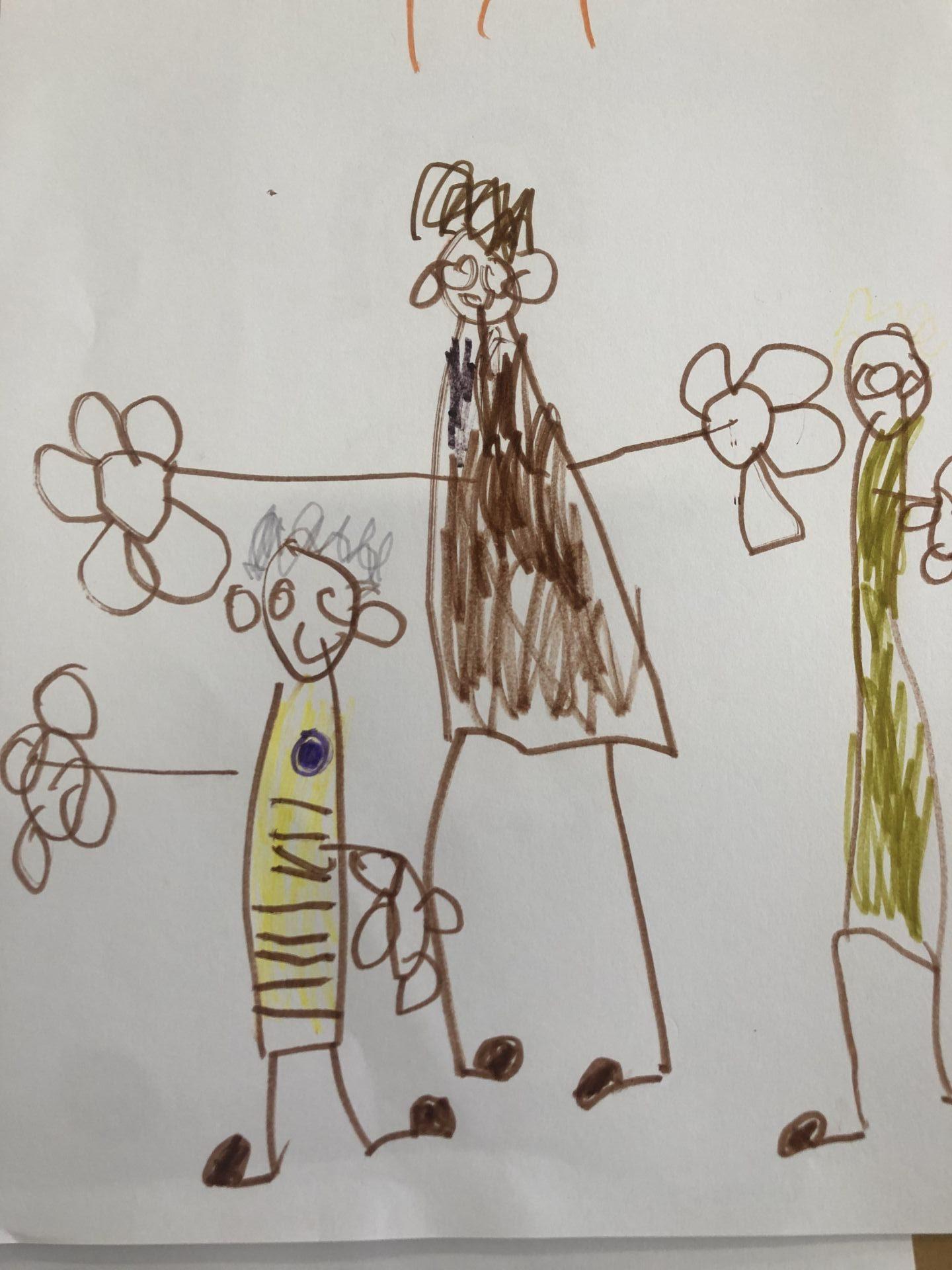
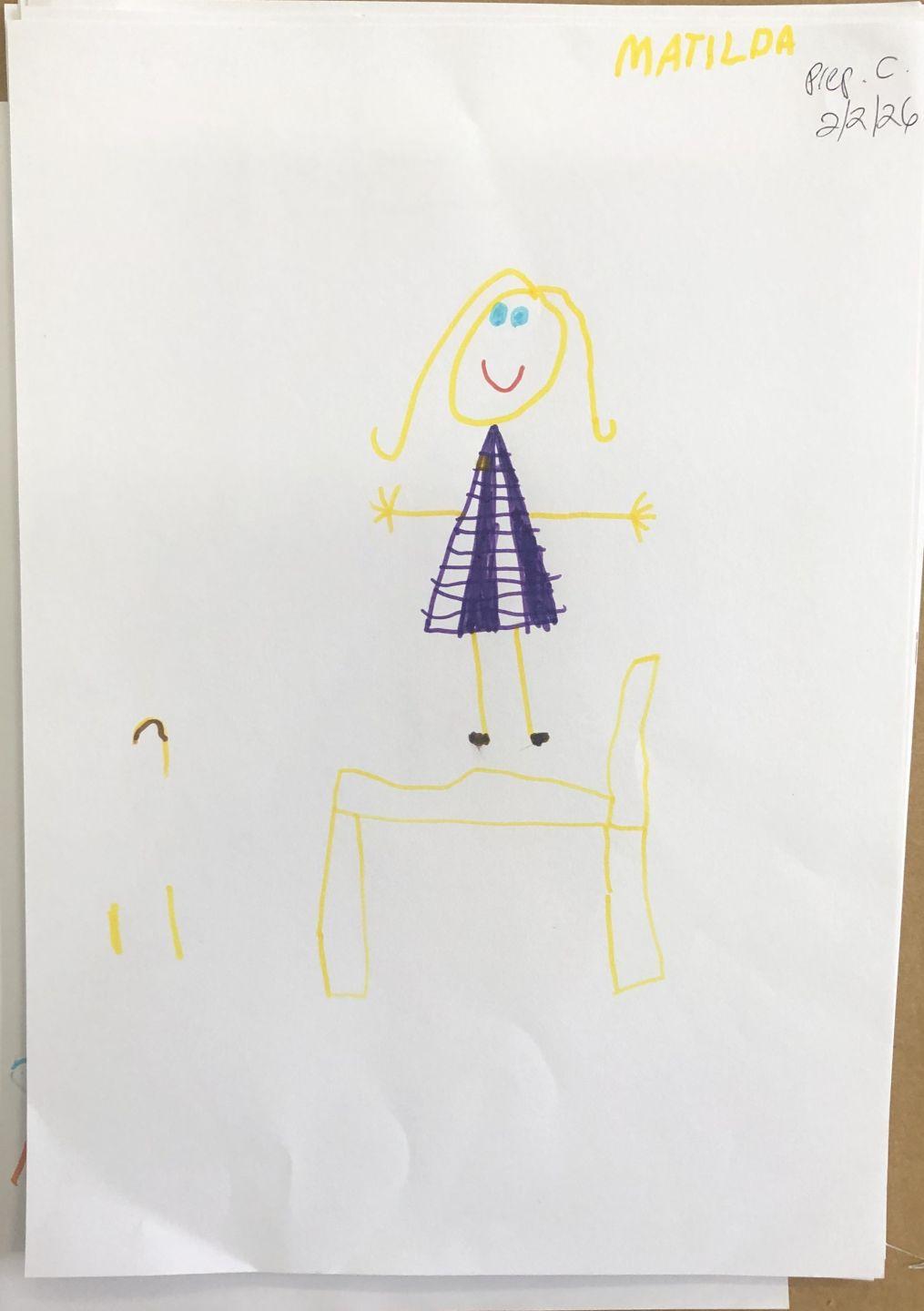
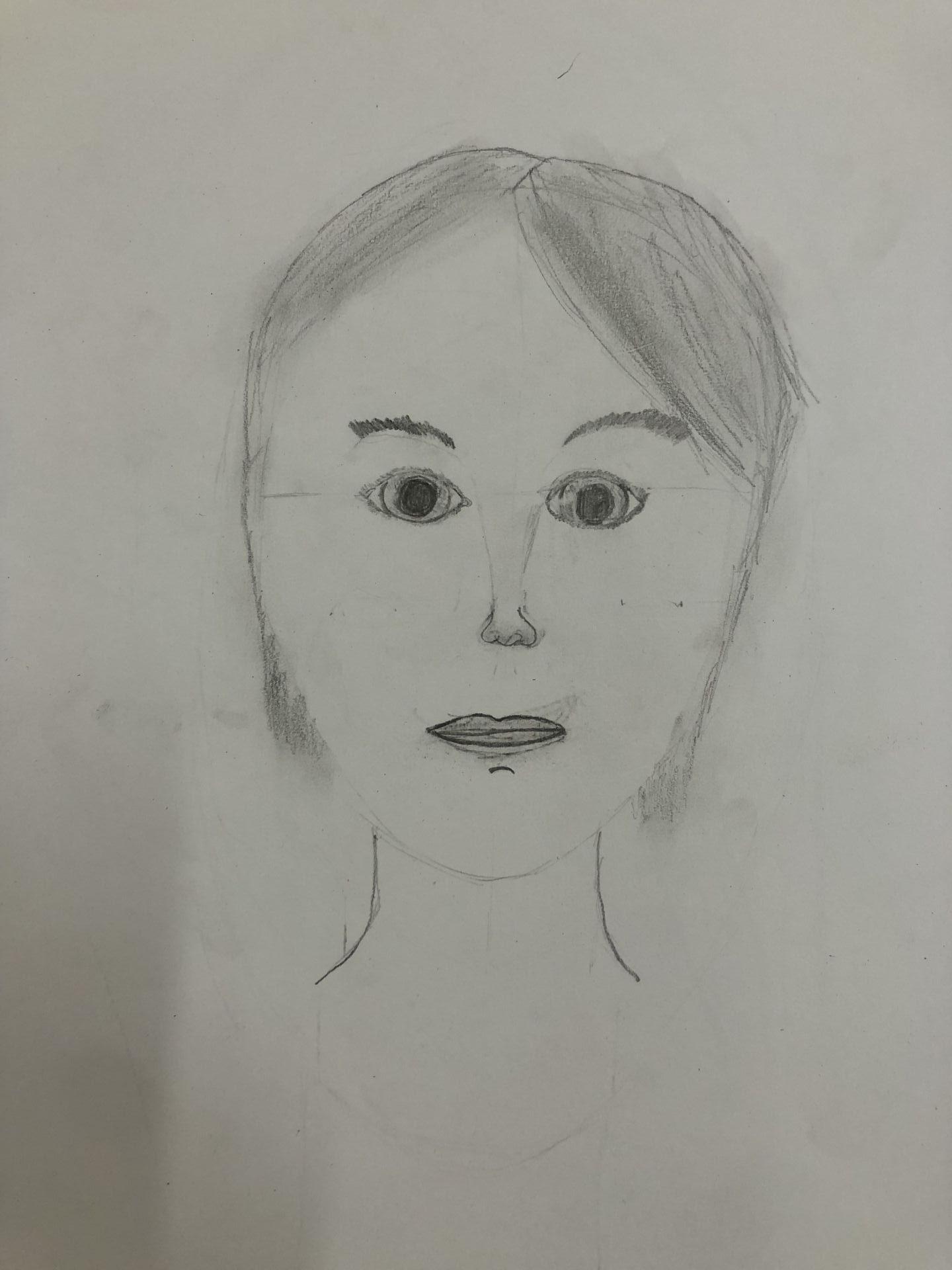
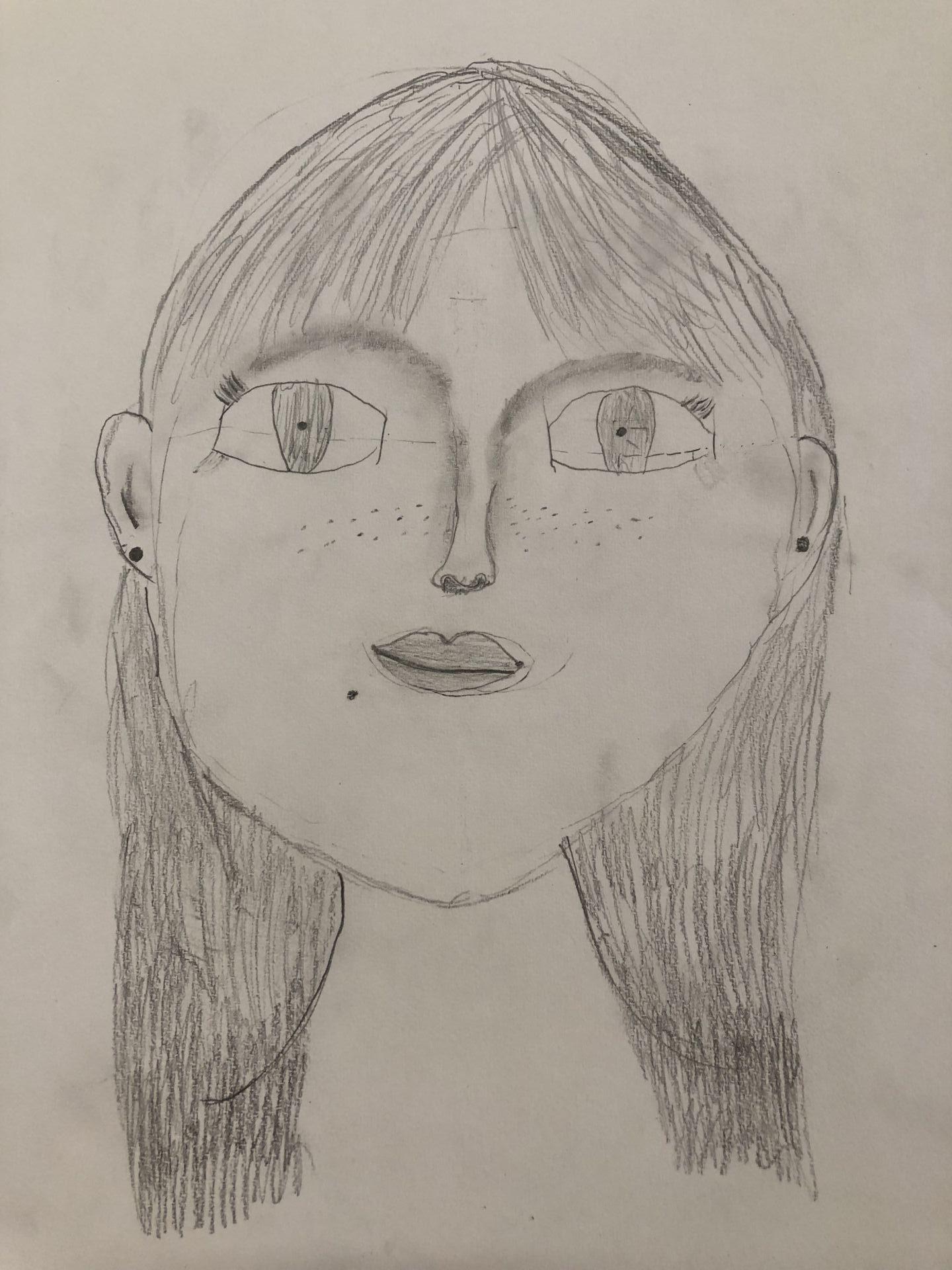
What an amazing start to the year in Art! Students have been gazing into the mirror to capture a self-portrait. Students from Prep to Year 6 have all captured a likeness of themselves. The Year 4-6 students have explored the proportions of the face through mapping techniques whilst also experimenting with tones and shading. Well done to everyone on their wonderful artwork!

In our leadership program

Congratulations to our 2026 SRC

2TL

Charlotte

Aryan

2GJ

Pleu

Jake

2W

Skye

Harry

3B

Anna

Coby

3H

Julia

John

3M

Annabelle

Will

4LS

Alicia

Freddy

4M

Peggy

Michael

4F

Sibylla

Owen

5C

Annabel

Beau

5H

Mietta

Jaedon

6

Eva

Miles

6M

Carmen

Lucas

In PE

Hoop Time

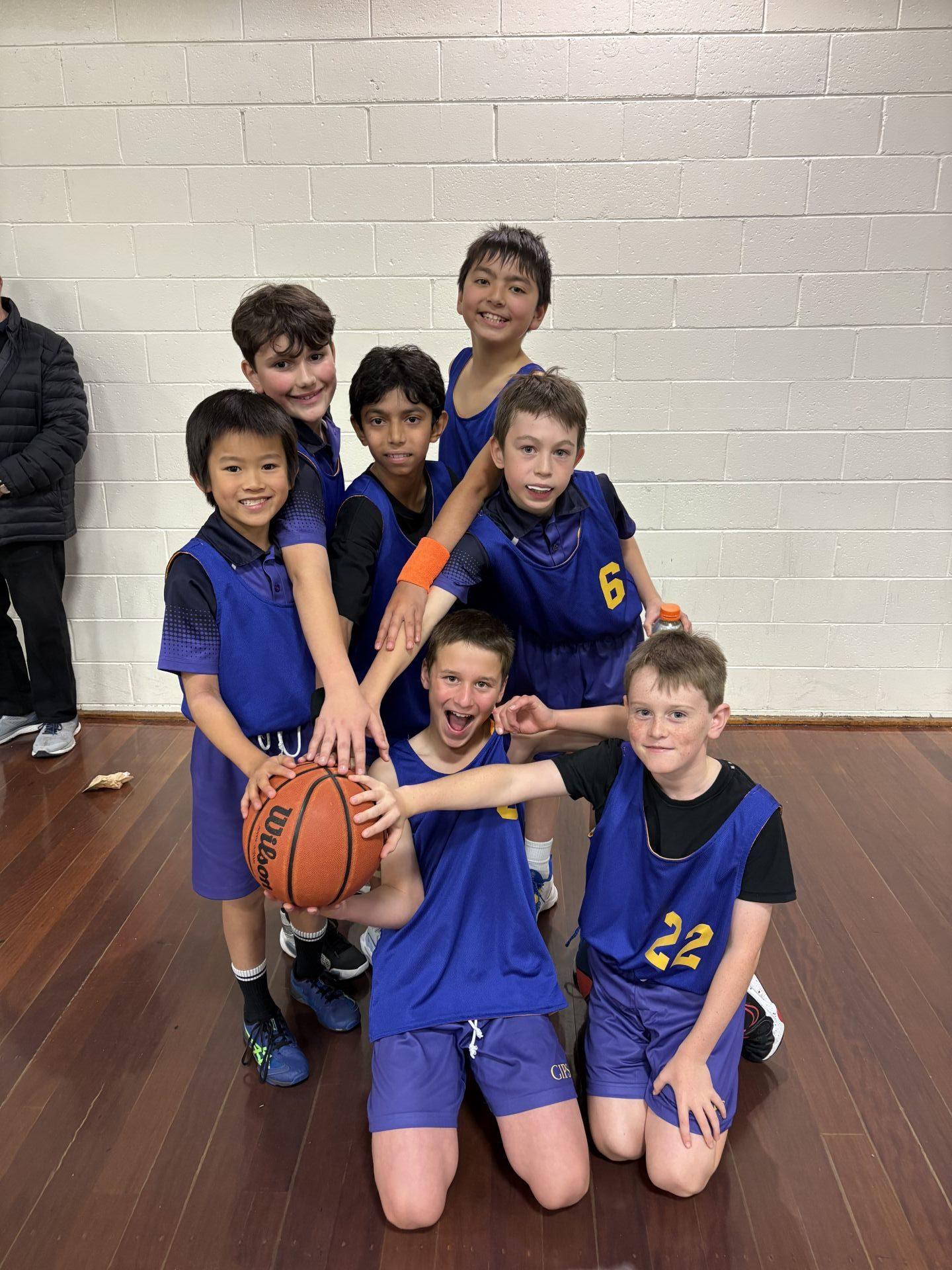
We are excited to announce that our school has entered Hoop Time basketball teams for both Juniors (Grade 3/4) and Seniors (Grade 5/6) students this year. The Senior (Grade 5/6) Hoop Time competition will take place on Friday, June 19, while the Junior (Grade 3/4) Hoop Time competition will be held on Friday, July 24. For each competition date, we have entered four teams in total, consisting of one All-Stars team and one Future Stars team for both boys and girls. This provides students with the opportunity to participate at a level that best suits their skills and experience. We will also be seeking coaches for each team. If you are interested in supporting our students on either of these days, please let us know; your involvement would be greatly appreciated. To express interest please email glen.iris.ps@education.vic.gov.au attn: Tayla Sjogren.

Trials for all divisions will be held towards the end of the term, with further details to be shared closer to the date.

In Spanish

Our Prep students have had a wonderful start to their Spanish learning journey! In their first sessions, they have been getting to know the classroom routines, practising simple greetings in Spanish, and learning songs to help build confidence and enjoyment with the language.

It has been lovely to see their enthusiasm and engagement as they begin exploring Spanish in a fun and supportive environment. We are looking forward to a fantastic year of learning together.

In our staffroom

The Importance of Structured Synthetic Phonics and Explicit Spelling Instruction (Prep–Year 6)

Over the past two weeks, our teaching staff have been deeply engaged in professional learning focused on strengthening our approach to reading and spelling instruction across the school. A key area of focus has been structured synthetic phonics and explicit spelling ensuring that every child from Prep to Year 6 receives consistent, evidence-informed literacy instruction.

What is Structured Synthetic Phonics?

Structured synthetic phonics is a systematic approach to teaching reading. Students are explicitly taught the relationship between letters and sounds (graphemes and phonemes) and how to blend those sounds together to read words. Rather than relying on guessing strategies or memorising whole words, students learn the underlying code of the English language.

This approach is:

  • Explicit – skills are clearly taught, not assumed

  • Systematic – learning follows a carefully planned sequence

  • Cumulative – new learning builds on previously mastered skills

  • Diagnostic and responsive – teaching is informed by student progress

Research consistently shows that strong phonics instruction in the early years is one of the most effective ways to ensure children become confident, fluent readers.

Why Explicit Spelling Matters

Spelling is not a natural by-product of reading. It must be directly taught. Explicit spelling instruction helps students understand:

  • Sound-letter relationships

  • Word patterns and syllable types

  • Morphology (prefixes, suffixes, root words)

  • Etymology (where words come from)

When students understand how words are constructed, they are better able to decode unfamiliar words when reading and spell accurately when writing. This supports not only literacy development but also confidence and independence.

Our Whole-School Approach: Sound Waves

Across Prep to Year 6, we use Sound Waves as our structured synthetic phonics and spelling program. Sound Waves provides:

  • A clear, sequential scope and sequence

  • Explicit teaching routines

  • Opportunities for practice and revision

  • Links between reading, spelling and writing

Using a consistent program across the school ensures continuity for students as they progress through year levels. Skills are revisited, extended and deepened over time.

Investing in Professional Learning

Over the past fortnight, with our Learning Specialist Miss Cofield, our staff have been strengthening their knowledge of

  • Best practice phonics instruction

  • Explicit spelling teaching strategies

  • Using assessment to guide instruction

This professional learning ensures that our classrooms reflect the most up-to-date, research-informed practices. Literacy is foundational to all learning, and we are committed to continually refining our teaching to give every child the strongest possible start.

Looking Ahead

By prioritising structured synthetic phonics and explicit spelling from Prep through to Year 6, we are building confident readers, accurate spellers and capable writers.

If you would like to learn more about our approach to literacy instruction, please don’t hesitate to contact your child’s classroom teacher.

Using NAPLAN Data to Strengthen Mathematics Learning (Years 3–5)

Over the past two weeks, our Years 3–5 teaching teams have been working collaboratively with Maddie to closely analyse our 2025 Mathematics NAPLAN data. This work is not about “teaching to the test,” but about using valuable information to better understand our students’ learning needs and refine our classroom practice.

Looking Beyond the Scores

NAPLAN provides detailed insights into specific skill areas within mathematics such as number and algebra, measurement and geometry, and statistics and probability. Rather than focusing solely on overall results, our teachers have been unpacking the data at a granular level to identify:

  • Areas of strength across cohorts

  • Concepts that require consolidation

  • Question types that challenged students

  • Patterns in problem-solving and reasoning

This analysis helps us align our teaching more precisely with curriculum learning objectives and ensures we are targeting the skills that will have the greatest impact on student growth.

Clarifying Learning Objectives

A key focus of our professional conversations for the past fortnight has been clarifying exactly what students need to know, understand and be able to do. By breaking down learning objectives into smaller, explicit components, teachers can:

  • Teach concepts with greater clarity

  • Sequence learning more effectively

  • Identify prerequisite skills

  • Provide targeted support or extension

Clear learning objectives and success criteria help students understand the purpose of their learning and what mastery looks like.

Strengthening Retrieval Practices

Another important area of focus has been retrieval practice, which is the act of regularly revisiting previously learned content to strengthen long-term memory. Research shows that spaced and deliberate retrieval significantly improves retention and problem-solving ability.

In practical terms, this might include:

  • Daily review questions

  • Mixed practice tasks

  • Quick recall of number facts

  • Number talks

  • Revisiting previously taught strategies in new contexts

By embedding retrieval into our mathematics blocks, we help students move knowledge from short-term understanding to long-term mastery.

A Commitment to Continuous Improvement

Our Years 3–5 staff have demonstrated a strong commitment to reflective practice and collaborative improvement. By engaging deeply with student data and current research, they are ensuring that teaching decisions are informed, intentional and responsive.

Mathematics success is built on strong foundations, clarity of instruction and consistent practice. We are proud of the thoughtful work our teachers are doing to support every student to grow in confidence, competence and problem-solving ability led by our Learning Specialist Miss Hill.


In our community

Issue #1 of Scholastic Book club was sent home last week. Thank you to the parents that have placed their orders for Issue #1 of Book Club!

There is still time to order if you haven't already. The last day for ordering is, Friday 20th February.

Your child’s order is submitted directly to school and the books will be delivered to their class. Instructions for easy online ordering are on the back of the issue.

Every Book Club order earns points for our school which go directly into new resources for our library. There will be a new issue every term.

Thank you for your support.

Krista Morris

Library


Call for Nominations for School Council

We have one vacancy on School Council for 2026 for a parent representative for a two-year term. School Councils play an important part of Victorian Schools. A notice for School Council Election and a call for nominations to the Parent Member position at Glen Iris Primary School was posted as a newsfeed on Compass. I encourage everyone who is eligible to consider applying to be on our School Council. No special background is required other than a desire to contribute to the GIPS community and the continuous improvement of our school. School Council plays a valuable role in supporting our buildings and grounds, fundraising efforts, community engagement, and policy consultation amongst other school governance roles. To apply, please pick up a nomination form from our Front Office or see attachments in the Compass newsfeed. Please send the nomination form to glen.iris.ps@education.vic.gov.au or drop off in the front office. There are also nomination forms in the Front Office for you to nominate another person who you would like another person to be on School Council. Nomination forms must be returned no later than 4 pm on 18 February to be considered.

The following parents make up the 2026 School Council positions:

  1. Gereltsetseg Badamdorj (two years)
  2. Sarah Tregoning (two years)
  3. Claire Hare (two years)
  4. Gareth Darlow (one year)
  5. Rosemary Bateman (one year)
  6. Alex Pocock (one year)
  7. Eliza Lewis (one year)
  8. (currently vacant- two year)

I want to thank the parents who were nominated in the recent call for nominations: Gereltsetseg, Sarah, Claire, and Gareth.

If you have any questions, please reach out to Maddie Witter at glen.iris.ps@education.vic.gov.au

Class Reps: 4F

We are seeking a class rep for 4F. So that our communication can be streamlined, we have shared all class lists with the class reps for all other grades across the school. Please reach out to the front office if you can help be a class rep for 4F. Responsibilities include: forwarding communication that the front office sends on your communication channel, organising an end of term play at a park, welcoming new families, and liaising with the classroom teacher to see if they need any extra help and communicating that via your communication channel. Please reach out to the front office at glen.iris.ps@education.vic.gov.au if you can help.

Evening on the Green

Evening on the Green – Event Details, Pre‑Orders & Ticket Sales

Hi everyone,

We’re excited to invite all families to our much‑loved Evening on the Green, taking place on Friday 20th February from 5:00pm–8:00pm.

This relaxed community event is a wonderful way to come together, enjoy the late‑summer sunshine, and connect with friends old and new. Bring along your picnic rug and BYO drinks, settle in on the green, and enjoy a fun night for the whole family.

_________________________________

Food & Pre‑Orders

This year, we will not have food vans on site. Instead, we’ll be offering:

  • Our classic sausage sizzle
  • Fresh pizzas from Pizza Co, Camberwell available for pre‑order
  • Garlic bread now bavailable as a pre‑order option

Place your pre‑orders for pizza and garlic here: https://www.trybooking.com/DJGTL

________________________________

Ticket Sales (Cashless Event)

This is a cashless event, and tickets will be required for food, activities, and treats.

Pre‑Sale Ticket Times (on the coloured squares)

  • Thursday 19th February - 3:15pm to 4:15pm
  • Friday 20th February - 8:30am to 9:15am

On-the-Night Ticket Sales

  • From 3:30pm on Friday 20th February at the event tent

________________________________

Ticket Prices

  • Sausage – 4 tickets
  • Drink – 3 tickets
  • Lolly bag – 3 tickets
  • Popcorn – 3 tickets
  • Fairy floss – 3 tickets
  • LICKt Ice‑cream – 5 tickets
  • Icy pole - 1 ticket
  • Face painting – 4 tickets (5:30–7:30pm only)
  • Guess the jelly bean jar – 1 ticket
  • Community partner activities – 1 ticket and the chance to win some amazing prizes

___________________________________

Can You Help?

If you have a chest freezer, marquee or esky we can borrow, we’d love to hear from you.

Volunteers are also needed to help the event run smoothly —sign up here: https://signup.com/go/HMKUASE

________________________________

We can’t wait to see you for an evening of fun, food, and community spirit!

Warm regards, Evening on the Green Organising Crew

Cyber Safe Parents – Online Safety Webinars for Families

We’re thrilled to announce our school has partnered with https://cybersafetyproject.com/ to offer parents access to the Cyber Safe Parents 2026 Webinar Series.

These practical, easy-to-understand sessions, available live or on-demand, will provide simple strategies to help families manage online safety, screen time,

AI, and digital wellbeing. Pop these important dates into your calendars now:

2026 Topics & Dates:

  1. Cyber Safety at Home (Family session) – 10 March
  2. AI & Critical Thinking (Parent/Guardian session) – 20 May
  3. Balancing Life & Tech (Parent/Guardian session) – 3 August
  4. Cyberbullying & Resilience (Parent/Guardian session) – 27 October

All sessions start at 7.30pm AEDT/AEST.

Can’t attend live? Register to receive the recording and resources to watch at a time that suits you.

👉 Register here: via the link we send on Compass (do not share this link on social media; the school has paid for each family

at the school to have access to register for these events, but not any other registrations)

Warm regards,

Shaye Bradbury

Parent Payments- A Letter from School Council

Welcome to a wonderful new year at Glen Iris Primary School. We are writing to share some context about the Parent Payments you’ve been asked to make for this year.

The Department of Education describes these as voluntary financial contributions. In practice, Parent Payments are critical to deliver a quality education and create an effective learning environment. Government funding covers the minimum for core teaching (including leadership, teaching support, professional development, relief teaching, payroll tax, superannuation).

Parent Payments are needed to cover:

Curriculum consumables like paper, pencils, printing, photocopying, art supplies; plus wellbeing resources

Library and digital resources: books, contemporary readers, online learning subscriptions and bringing iPads and laptops up to date so they can run current applications

Enhanced environment: maintaining and enhancing our indoor and outdoor learning environments, to make the school safe and welcoming for all

Why they're so important

We had a couple of years where many families didn’t pay fees, leaving a shortfall that made it very challenging for the school to deliver the high quality of education our children deserve.

Fortunately, as a community in 2025 we returned to previous healthy levels of family contributions. This enabled the school, with careful planning and budgeting, to:

  • complete much-needed internal carpeting and re-painting of classrooms
  • double our library of decodable readers
  • replace a class set of iPads that was ten years old
  • add $20,000 of books for explicit teaching in the school
  • purchase subscriptions for student learning for students
  • upgrade resources for specialist subjects (Art, PE, Performing Arts, Spanish).
  • keep our gardens landscaped; fund our photo copiers; and much more.

With your help, in 2026, the school plans to upgrade guided reading books across the school and do a much-needed refresh of the exterior paint on the buildings. The school has also supplied all the itemised resources on the parent payments information letter, for your children’s learning.

Total fees are nearly identical to the previous year, through careful budgeting. We’ve also sense-checked against nearby schools and compare favourably. At under $15 per week, GIPS fees represent the best value education in Victoria.

Your options and support

We understand some families may not be in a position to contribute. If you cannot pay the full amount, please pay what you can. If you can give more, please do. Every dollar counts. Flexible payment options are available too - please contact the school’s business manager at joanne.hayes2@education.vic.gov.auto arrange.

Please make payment today via Compass. Some contributions are tax deductible.

Thank you for enhancing education beyond the bare minimum… it makes all the difference.

Kirsty Watts

School Council President, on behalf of School Council

Camps, Sports & Excursion Fund (CSEF)

Every Victorian child should have access to the world of learning opportunities that exist beyond the classroom. The Camps, Sports and Excursions Fund helps ensure that no student will miss out on the opportunity to join their classmates for important, educational and fun activities. It is part of making Victoria the Education State and the Government’s commitment to breaking the link between a student’s financial circumstances and their outcomes.

School camps provide children with inspiring experiences in the great outdoors. Excursions encourage a deeper understanding of how the world works while sports teach teamwork, discipline and leadership. All are a part of a healthy curriculum.

CSEF is provided by the Victorian Government to assist eligible families to cover the costs of school excursions, camps and sporting activities.

If you hold a valid means-tested concession card or support an out of home care student you may be eligible for CSEF. A special consideration category also exists for asylum seeker and refugee families. The allowance is paid directly to the school to use towards expenses relating to camps, excursions or sporting activities for the benefit of your child.

The annual CSEF amount per student is $400 for all eligible school students.

How to Apply:

We have attached a form for you. We have hard copies available in the front office. CSEF Form

If you applied for CSEF at your child's school last year, you do not need to complete an application form this year unless there has been a change in your family circumstances. You only need to complete an application form if any of the following changes have occurred:

· new student enrolments:

your child has started or changed schools this year.

· changed family circumstances: such as a change of custody, change of name, concession card number, or new siblings

commencing this year.

Check with the school office if you are unsure. If you have any questions, please reach out to our business manager, Joanne Hayes.

Thank you

GIPS School Uniform Update

Dear Parents and Carers,

I would like to provide an update regarding our school uniform. Firstly, thank you for your ongoing support in ensuring students attend school in the correct uniform in line with our school policy.

As endorsed by School Council last year, we are gradually transitioning from the yellow short- and long-sleeve polo tops to our new design (shown below). This decision was made based on continuous feedback from the parents about the difficulty of keeping the tops clean. We believe the updated tops will be easier to keep clean and also look fantastic. Our Grade 6 students are proudly wearing the new tops for the first time this year.

As existing stock of the yellow polos runs out in each size, the new design will be available for purchase. Note that the yellow top prices have been reduced at PSW. Replacing all yellow tops at once would require the school to buy back all remaining stock, which is not financially possible. For this reason, the transition will occur gradually over time.

We would also like to make families aware that the new polo top is slightly more expensive than the previous yellow top (before its price was reduced to clear stock). This reflects increased manufacturing and supply costs being experienced across all school uniform suppliers. We understand that any price increase can be frustrating, which is another reason we are taking a gradual transition approach. Families are not expected to replace existing yellow tops and can continue using them until they no longer fit or need replacing.

Thank you for your continued support as we make this gradual transition. If you have any further questions, please don’t hesitate to contact the school office.

Kind regards,

Debbie McDermott

We have put together some frequently asked questions to help clarify what this change will look like over time.

Can students still wear the yellow polo tops?
Yes. Students can continue to wear their current yellow polo tops. There is no expectation that families replace uniforms immediately.

When will the yellow tops be phased out?
The transition will happen gradually over time as existing stock sells out. Once a size in the yellow top is no longer available, the new design will be the only option to purchase in that size. We expect this to take a few years.

Do families need to buy the new top now?
No. Families only need to purchase the new top when their child requires a new size or when their current top needs replacing.

Why is the school not replacing all tops at once?
To remove all yellow tops immediately would require the school to purchase all remaining stock, which is not financially possible. A gradual transition ensures the change is manageable and cost-effective for both families and the school.

Who will wear the new tops first?
Our Grade 6 students are wearing the new design this year. Other year levels will move to the new top as they require new sizes and as yellow stock sells out.

Will students be in trouble for wearing the yellow top?
No. Both the yellow and new polo tops are acceptable during the transition period. We ask that whichever top is worn is in line with the school uniform policy.

Where can we purchase the new tops?
Uniforms can be purchased through our uniform supplier (PSW). Details and links are available via the school office and newsletter.

Is the new top more expensive?
Yes, there is a small price increase on the new polo top due to rising manufacturing and supply costs. To minimise the impact on families, there is no requirement to purchase the new top immediately. Students can continue wearing their current yellow tops and only purchase the new design when needed.

Why is the school changing the polo top?
Over time we have received consistent feedback from families that the yellow tops were difficult to keep clean. They tended to show marks easily and became more transparent over time, whereby under garments worn by students could be seen. The updated design and fabric were selected in response to this feedback so that the tops are more durable, maintain their colour and provide better coverage for students.

Will second-hand uniforms be available?
Yes. As families move to the new design, we encourage donations of good-quality yellow tops to our second-hand uniform supply to support other families.

Meet the Teacher- Important Information

Meet the Teacher will take place on Monday 16 February 2026. Thank you to all families who signed up. As shared, bookings closed on 12 February.

Please note that Monday 16 February is a pupil-free day. Students do not attend school on this day. Team Kids is available for care.

During Meet the Teacher, each family books a 10-minute, student-free appointment to meet with their child’s teacher and discuss their child.
Please arrive on time so our teachers can keep appointments to schedule. You can find your booking on Compass under conferences.

Community ADHD Webinar

Please see this webinar for families interested in finding out more about ADHD strategies.

Understanding School Can't

Attachment plays a central role in “school can’t,” as children need to feel safe and securely connected before they can engage in learning. When a child’s nervous system is overwhelmed by stress, separation from a trusted caregiver can feel threatening rather than routine. Strong, responsive attachment relationships help children co-regulate, rebuild a sense of safety, and gradually restore capacity. Supporting attachment is not about encouraging dependence, but about strengthening the secure base from which a child can eventually re-engage with school.

For more information about School Can't visit this file.

Upcoming Important Dates

There is no school today. We are holding Meet the Teacher Interviews on this Day. Team Kids is available for booking.

Please see Compass communication.

Save the date! From 3:30 pm - 4:30 pm is the Prep Family BBQ. Please see Compass communication.

Please see previous Compass communication

Please see communication in this newsletter.

Please see Compass communication.

Please see Compass communication

Please see upcoming Compass communication.

Please see upcoming Compass communication.

Please see upcoming Compass communication. Come to school in clothing recognising your cultural heritage. Join us for the Harmony Week parade.

Please see upcoming Compass communication. Come to school in Spanish culture inspired clothing.

Please wear house colours.

Please see upcoming Compass communication.

School dismisses at 2:30 pm.

Welcome back!

We are still awaiting confirmation from the venue, but pencil in this date. We will need volunteers for this event.

Please see upcoming Compass communication.

Please see upcoming Compass communication.

Please see upcoming Compass communication. Volunteers needed.

Team Kids will be available.

Please see upcoming Compass communication.

Please see upcoming Compass communication.

Please see upcoming Compass communication.

Please see upcoming Compass communication.

Welcome back!

Parent Teacher Interviews are also on this day.

Please see upcoming Compass communication.

Please see upcoming Compass communication.

Please see upcoming Compass communication.

Please see upcoming Compass communication. Volunteers needed.

Please see upcoming Compass communication. Volunteers needed.

Please see upcoming Compass communication.

Please see upcoming Compass communication.

Please see upcoming Compass communication.

Please see upcoming Compass communication.

Please see upcoming Compass communication.

Please see upcoming Compass communication.

Welcome back!

Please see upcoming Compass communication.

Please see upcoming Compass communication. Volunteers needed.

Please see upcoming Compass communication.

Please see upcoming Compass communication.

Please see upcoming Compass communication.

Please see upcoming Compass communication. Volunteers needed.

Please see upcoming Compass communication.

Please see upcoming Compass communication.

Please see upcoming Compass communication. Volunteers needed.

Please see upcoming Compass communication. Volunteers needed.

Please see upcoming Compass communication.

Happy holidays!

Issue 2, 2026 From Maddie's Desk - 13 Feb 2026

In our classrooms, staffroom, and community

Read on to find out what has been happening at GIPS the past fortnight. We have added three dates to the calendar: Harmony Day, House Cross Country, and Hoop Time.

Maddie Witter

Principal

949

In our classrooms

Cyber Safety in Our Digital World- What It Means for Our Students

This week we focussed on Safer Internet Day at GIPS.

In today’s increasingly connected world, our students are growing up in a digital environment that presents both exciting opportunities and real risks. At school, we include cyber safety education as part of our learning programs to help students navigate online spaces safely, respectfully and confidently. This is included in our Safe User Agreement that went home recently, our Respectful Relationships curriculum, and active and careful monitoring when devices are used in class. This work is grounded in research and best practice that shows digital engagement can expose young people to harmful content and unsafe interactions if not managed carefully.

Why Cyber Safety Matters
Children’s online experiences are now central to how they learn, socialise and relax. Australian research shows that negative online harms affect a large proportion of children and that negative experiences can impact mental health and wellbeing. It is for these reasons that our students have limited device use (following the Department of Education's 2027 guidelines in the Digital Devices policy) that is carefully monitored during school hours.

Although younger children are less likely than older young people to report negative online experiences Australia-wide, primary-aged students can still encounter problematic interactions, especially as they begin using messaging and group chat platforms outside of school hours.

How We Address Cyber Safety at School
At our school, cyber safety is incorporated into classroom learning. Students are taught to:

  • Understand the importance of protecting private information online

  • Recognise online risks such as inappropriate contact

  • Respond safely if they encounter upsetting or harmful content

  • Report concerns to a trusted adult including parents and teachers

We also partner with reputable external resources to ensure our approach reflects current research and online trends.

Group Chats and Social Belonging: What Parents Need to Know
Some older children use group chats (e.g., via messaging apps) to stay in touch. While these can feel like an easy way for children to connect with peers outside of school, they bring specific challenges:

  • Group chats often operate “under the radar” and can contain unfiltered or inappropriate content that children may be unprepared to manage.

  • Unrestricted, always-on communication can fuel anxiety, fear of missing out, and social pressure to respond outside school hours

It’s also important to recognise that research demonstrates that a strong sense of belonging in school ultimately comes from positive offline relationships and inclusive classroom environments, not from constant digital messaging. Traditional peer connections, supported by face-to-face interaction and supportive school culture, remain fundamental to children’s wellbeing and academic engagement. Some studies even suggest that increased social media use in adolescence does not necessarily strengthen social skills or offline friendships and may pose risks for vulnerable or socially anxious children if not managed carefully.

Practical Guidance for Parents
Here are ways you can support healthy digital habits at home:

  • Monitor group chats and messaging activity

  • Set clear boundaries around device use, especially outside school hours

  • Talk openly with your child about what they see and experience online, and let them know they can come to you with concerns

  • Consider whether group chats are necessary for your child- research suggests they are not required for children to feel socially accepted or connected to peers, and in some cases closing them can reduce stress and exposure to negative online behaviour.

Cyber safety is a shared responsibility. By working together (school, parents and carers) we can help our children enjoy the benefits of technology while protecting them from its risks.

For further resources and support, visit the eSafety Commissioner’s Stay Smart Online guides and we recommend signing up for the Cyber Safety Webinars advertised on Compass, in last fortnight's newsletter, and in this newsletter further below.

GIPS Acceptable User Agreement 2026- Parent Information

Maddie Witter

Principal

In prep

Our Prep students have been busy exploring subitising in Maths (the ability to recognise the number of objects in a small group without needing to count them one by one). We’ve been learning through a variety of maths games that help build confidence and number sense. Along the way, we are also practising what makes a good learning partner, including taking turns, listening carefully, and following the rules of the game.

You can support this learning at home by:

  • playing simple number games with dice or cards and encouraging them to quickly say how many they see without counting.
Grade 1 – We Are Expert Counters

This week, Grade 1 learners strengthened their counting skills through hands-on activities using counters, pop sticks and Unifix cubes. They practised careful one-to-one counting, explored strategies like touching and moving objects, lining up items and re-counting to check accuracy. We also investigated skip counting to count larger collections more efficiently. Students practised recording two-digit totals, focusing on writing numbers accurately with digits in the correct places and forming numbers correctly. These activities revised number knowledge and built confidence when working with collections.

You can support this learning at home by:

  • Asking your child which strategies help them be expert counters (e.g. touch and move, lining up objects, recounting, skip counting).
  • Encouraging your child to make and count their own collections (e.g. Lego, pasta, buttons), touching or moving each item as they count. Support your child to re-count to confirm their total as well!
  • Practising counting small collections (e.g. toy cars) by grouping items in 2s or 5s and skip counting to find the total.
  • Taking learning outside: collect items from nature, count them together, and record the total using chalk.
In grade 2

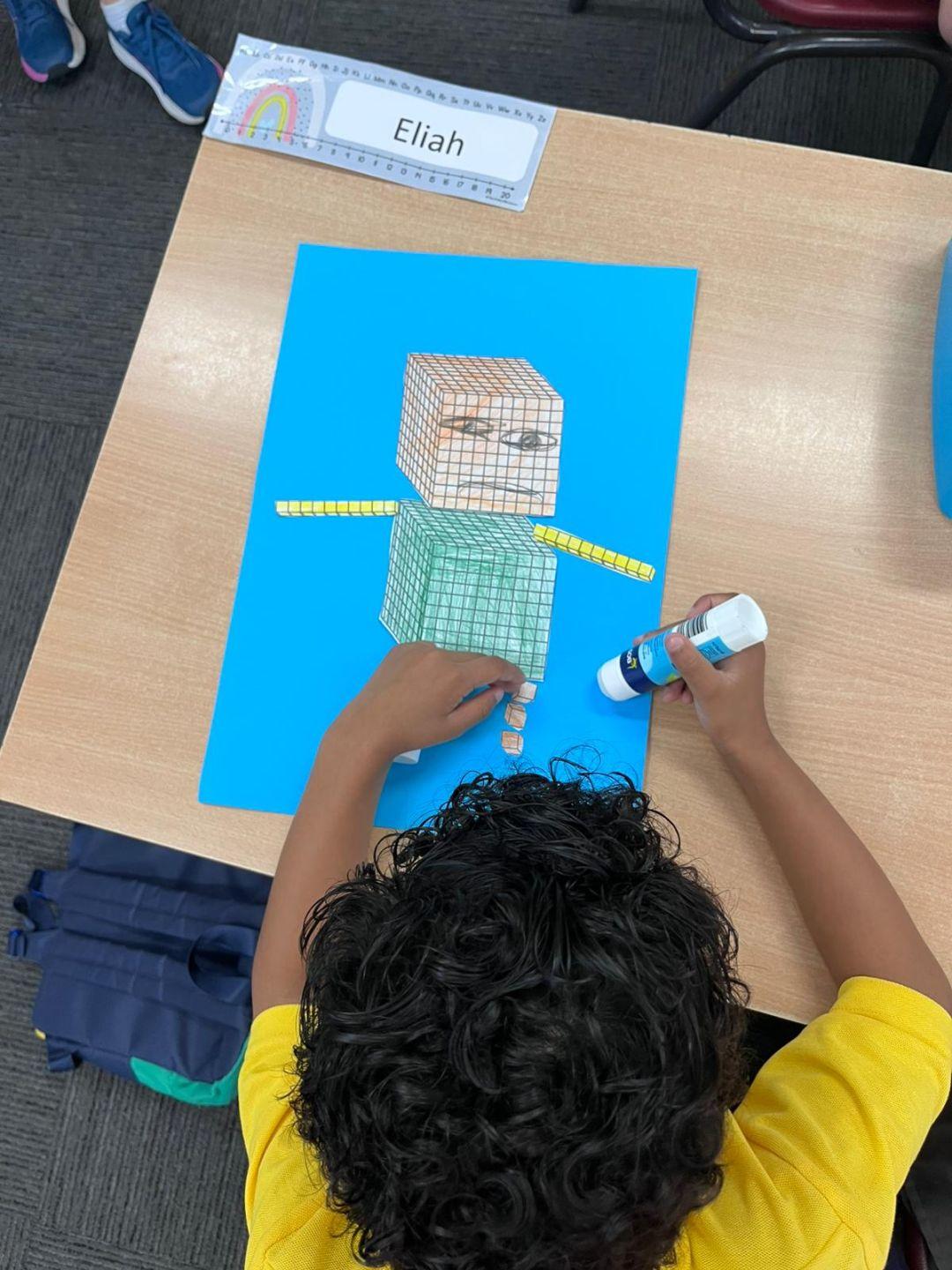
This week in Year 2, we have been extending our understanding of place value through fun and engaging whole-class games, partner activities, and independent tasks. Students have been practising how to identify two- and three-digit numbers with the support of concrete materials. Some of the games we’ve been playing include Roll It, Make It, Expand It, as well as Mastermind and 5 Moves to 100/1000.

Families, you can try these games at home too! You might also enjoy playing “Can You Guess My Number?” by giving clues such as: “I have 3 hundreds, 4 tens, and 2 ones. What number am I?” For an extra challenge, give fewer clues or have your child create a mystery number for you to guess.
In grade 3

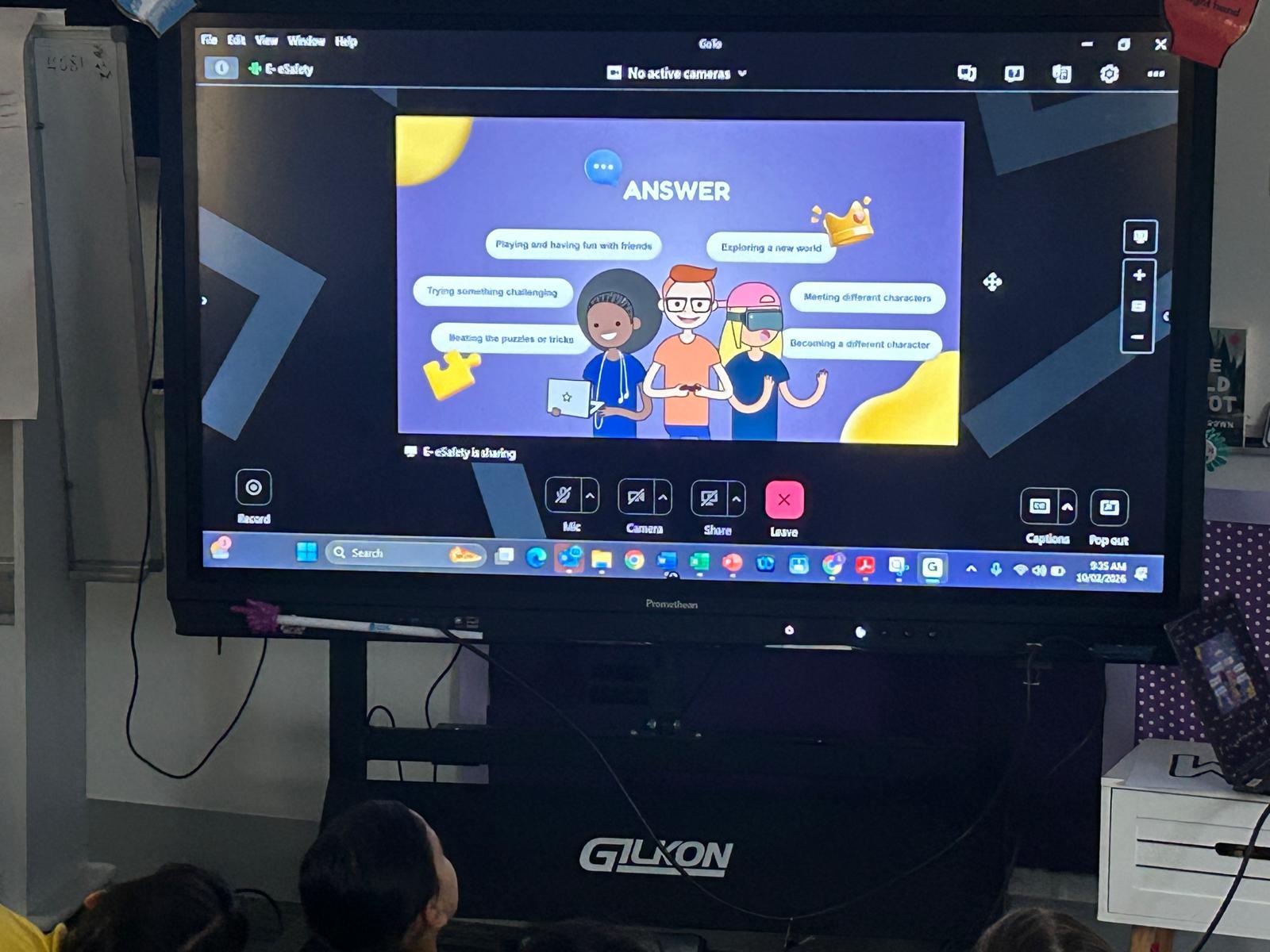
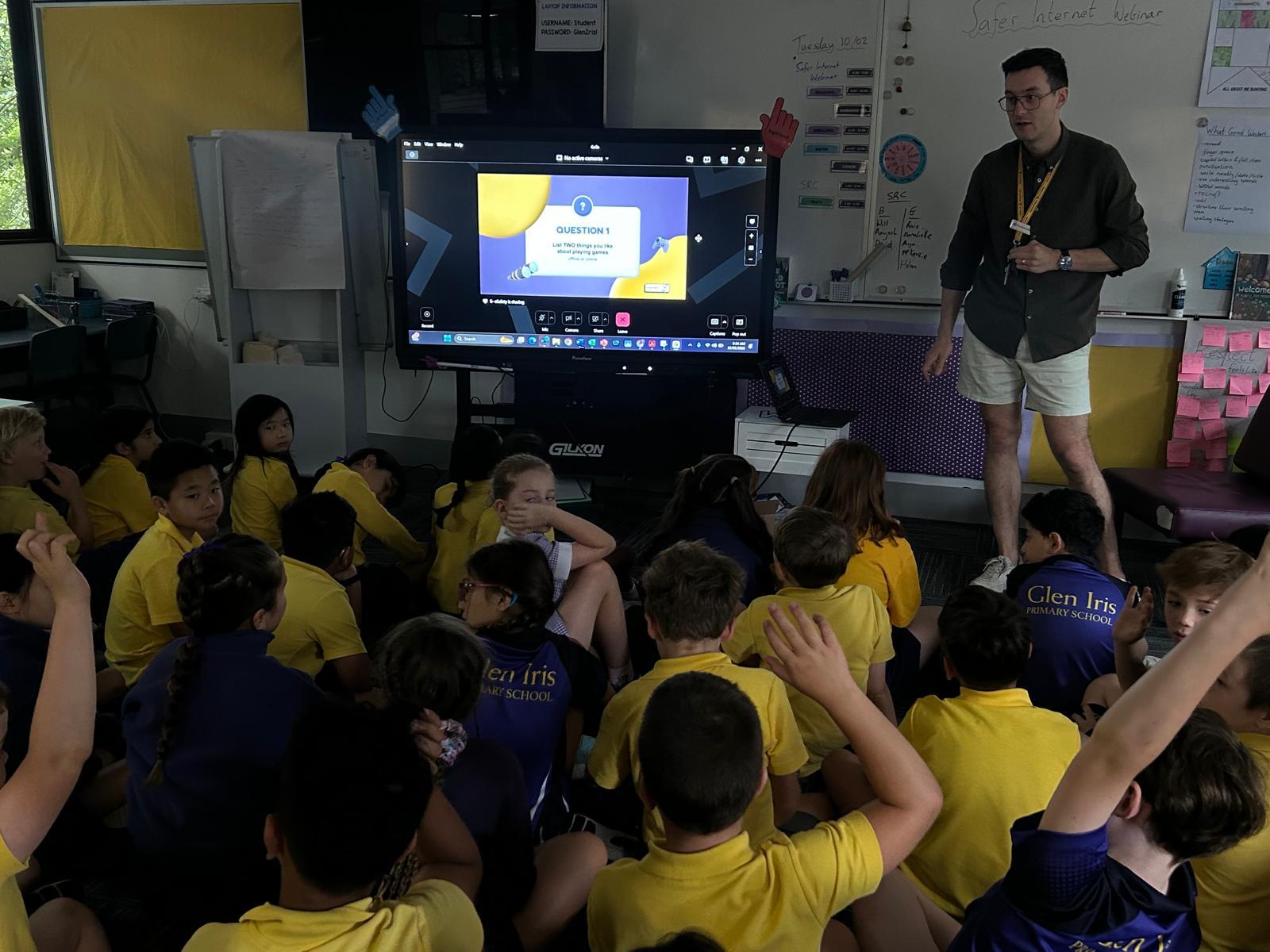
Last Tuesday 10th February was Safer Internet Day. This day is an opportunity for communities, schools and families to take a moment to talk about what is happening when we communicate online and what we can do to make our online interactions safer. To mark this global event, Grade 3 students attended an online webinar with hundreds of other schools. During the webinar, students discussed how to show respect and take responsibility in online environments. They applied strategies to address unsafe or uncomfortable situations while gaming through role-plays and identified the qualities of a trusted adult to obtain support for online encounters.

You can support this learning at home by:

  • talking to your child about what they learnt during the webinar and discuss strategies for what your child could do if they ever felt unsafe or uncomfortable when interacting online
In grade 4

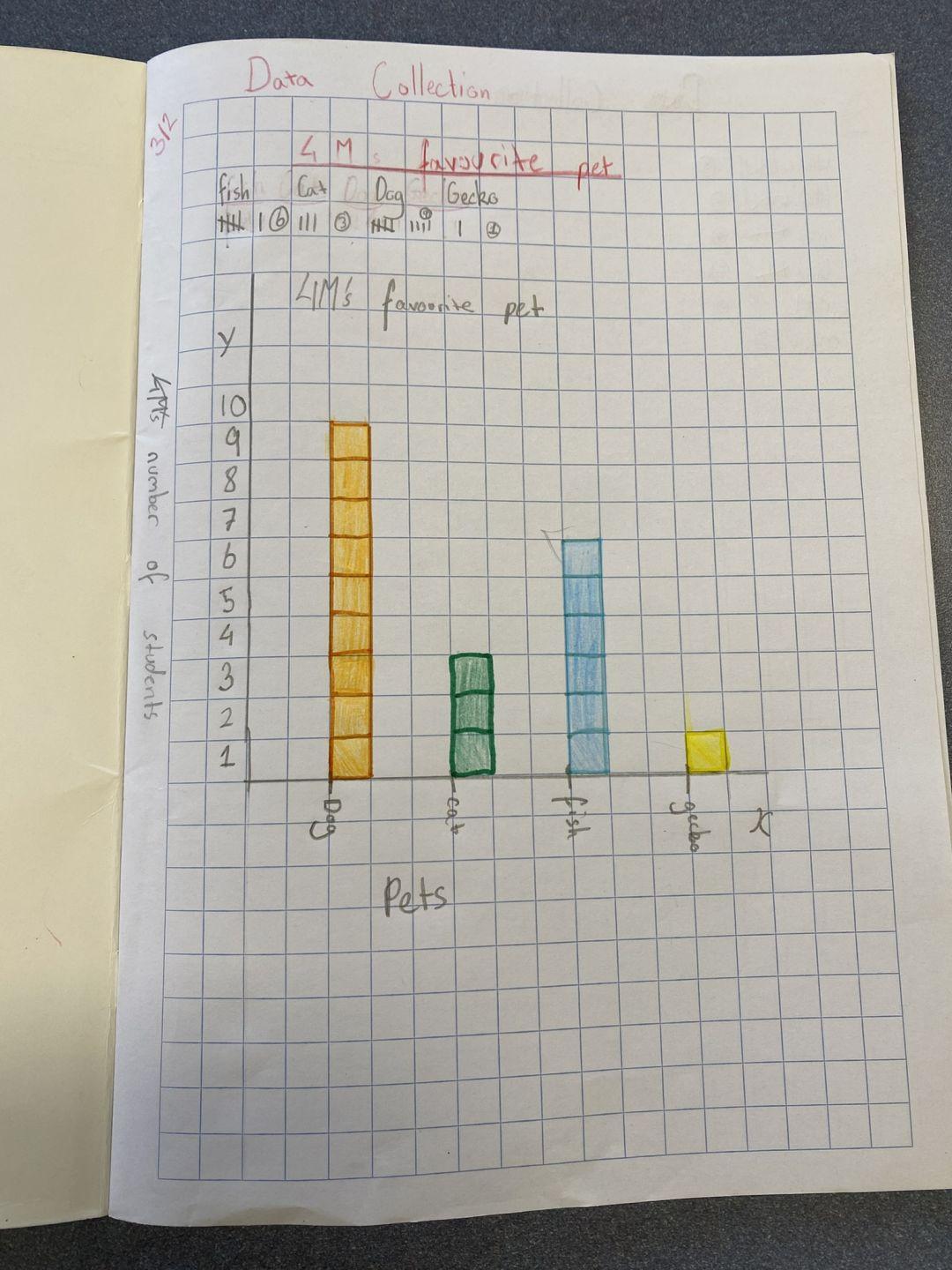
In Year 4, students have been learning about data and how to represent it using different types of graphs. They have been collecting data both inside and outside the classroom and discussing which type of graph is most suitable for different sets of information. Students have created bar graphs and pictographs, and have been using tally marks to help them collect and organise their data. We have also been focusing on making graphs clear, accurate, and easy to read.

You can support this learning at home by playing data collection yourself, for instance by spotting which type of car they can tally when driving.
In grades 5 and 6

Students in Grade 5 and 6 joined an Australia wide Cyber Safety Webinar on Tuesday. The focus was “Your Choices in Chats”. Students explored how their choices in online chats can positively influence their online friendships and peer wellbeing. Students were engaged throughout; navigating scenarios like fake accounts and problematic group chats and discovered how an upstander can choose empathy and respect.

You can support this learning at home by:

  • continuing the conversation at home with their children on a regular basis. Discussions about respectful behaviour online and who to turn to when they are feeling uncomfortable are good places to start. Using vocabulary such as ‘upstander’, ‘empathy’ and ‘respect’ will guide children towards making smart choices about their participation in online chats.
Grade 5 and 6 had their first taste of Interschool Sport competition last week against Ashburton. Students were outstanding representations of GIPS and our school values. They played fair, encouraged their teammates, and congratulated the opposing school for their win/participation. We would love students to head out with their friends on the weekend to practise their chosen sport! Physical activity is not only healthy for our bodies, but also our minds.
In our art room

What an amazing start to the year in Art! Students have been gazing into the mirror to capture a self-portrait. Students from Prep to Year 6 have all captured a likeness of themselves. The Year 4-6 students have explored the proportions of the face through mapping techniques whilst also experimenting with tones and shading. Well done to everyone on their wonderful artwork!
In our leadership program

Congratulations to our 2026 SRC

2TL

Charlotte

Aryan

2GJ

Pleu

Jake

2W

Skye

Harry

3B

Anna

Coby

3H

Julia

John

3M

Annabelle

Will

4LS

Alicia

Freddy

4M

Peggy

Michael

4F

Sibylla

Owen

5C

Annabel

Beau

5H

Mietta

Jaedon

6

Eva

Miles

6M

Carmen

Lucas

In PE

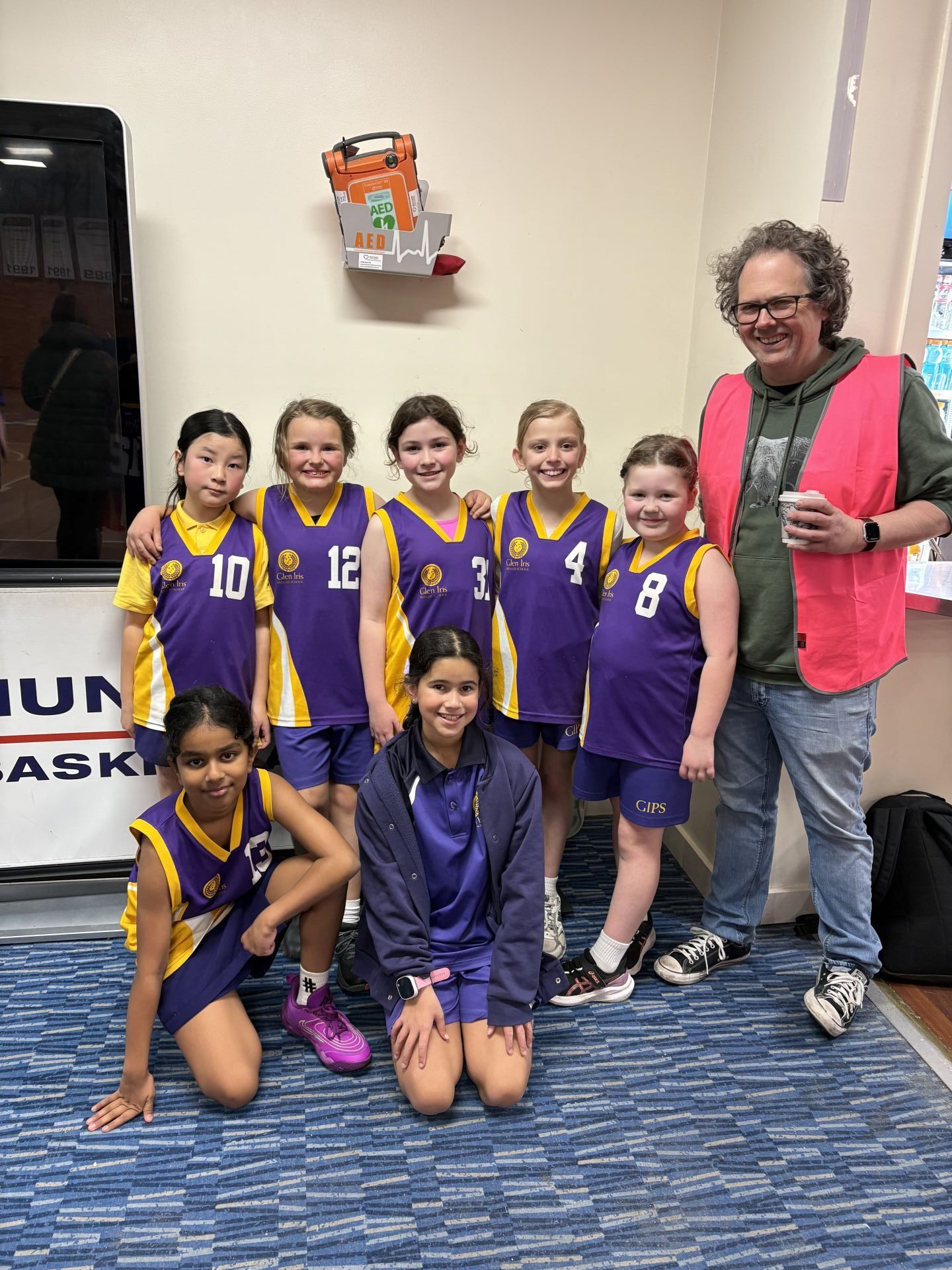
Hoop Time

We are excited to announce that our school has entered Hoop Time basketball teams for both Juniors (Grade 3/4) and Seniors (Grade 5/6) students this year. The Senior (Grade 5/6) Hoop Time competition will take place on Friday, June 19, while the Junior (Grade 3/4) Hoop Time competition will be held on Friday, July 24. For each competition date, we have entered four teams in total, consisting of one All-Stars team and one Future Stars team for both boys and girls. This provides students with the opportunity to participate at a level that best suits their skills and experience. We will also be seeking coaches for each team. If you are interested in supporting our students on either of these days, please let us know; your involvement would be greatly appreciated. To express interest please email glen.iris.ps@education.vic.gov.au attn: Tayla Sjogren.

Trials for all divisions will be held towards the end of the term, with further details to be shared closer to the date.
In Spanish

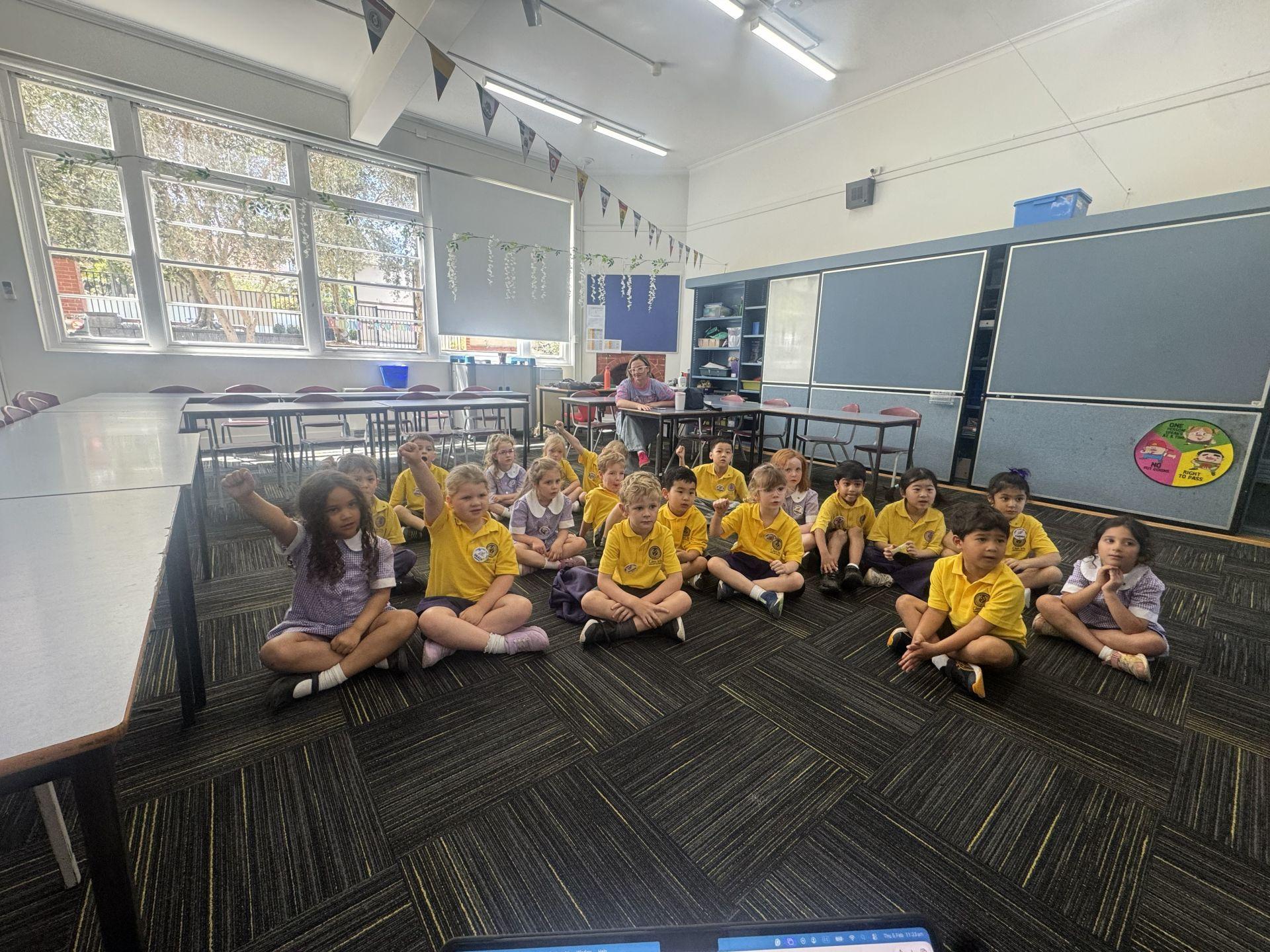
Our Prep students have had a wonderful start to their Spanish learning journey! In their first sessions, they have been getting to know the classroom routines, practising simple greetings in Spanish, and learning songs to help build confidence and enjoyment with the language.

It has been lovely to see their enthusiasm and engagement as they begin exploring Spanish in a fun and supportive environment. We are looking forward to a fantastic year of learning together.
In our staffroom

The Importance of Structured Synthetic Phonics and Explicit Spelling Instruction (Prep–Year 6)

Over the past two weeks, our teaching staff have been deeply engaged in professional learning focused on strengthening our approach to reading and spelling instruction across the school. A key area of focus has been structured synthetic phonics and explicit spelling ensuring that every child from Prep to Year 6 receives consistent, evidence-informed literacy instruction.

What is Structured Synthetic Phonics?

Structured synthetic phonics is a systematic approach to teaching reading. Students are explicitly taught the relationship between letters and sounds (graphemes and phonemes) and how to blend those sounds together to read words. Rather than relying on guessing strategies or memorising whole words, students learn the underlying code of the English language.

This approach is:

  • Explicit – skills are clearly taught, not assumed

  • Systematic – learning follows a carefully planned sequence

  • Cumulative – new learning builds on previously mastered skills

  • Diagnostic and responsive – teaching is informed by student progress

Research consistently shows that strong phonics instruction in the early years is one of the most effective ways to ensure children become confident, fluent readers.

Why Explicit Spelling Matters

Spelling is not a natural by-product of reading. It must be directly taught. Explicit spelling instruction helps students understand:

  • Sound-letter relationships

  • Word patterns and syllable types

  • Morphology (prefixes, suffixes, root words)

  • Etymology (where words come from)

When students understand how words are constructed, they are better able to decode unfamiliar words when reading and spell accurately when writing. This supports not only literacy development but also confidence and independence.

Our Whole-School Approach: Sound Waves

Across Prep to Year 6, we use Sound Waves as our structured synthetic phonics and spelling program. Sound Waves provides:

  • A clear, sequential scope and sequence

  • Explicit teaching routines

  • Opportunities for practice and revision

  • Links between reading, spelling and writing

Using a consistent program across the school ensures continuity for students as they progress through year levels. Skills are revisited, extended and deepened over time.

Investing in Professional Learning

Over the past fortnight, with our Learning Specialist Miss Cofield, our staff have been strengthening their knowledge of

  • Best practice phonics instruction

  • Explicit spelling teaching strategies

  • Using assessment to guide instruction

This professional learning ensures that our classrooms reflect the most up-to-date, research-informed practices. Literacy is foundational to all learning, and we are committed to continually refining our teaching to give every child the strongest possible start.

Looking Ahead

By prioritising structured synthetic phonics and explicit spelling from Prep through to Year 6, we are building confident readers, accurate spellers and capable writers.

If you would like to learn more about our approach to literacy instruction, please don’t hesitate to contact your child’s classroom teacher.

Using NAPLAN Data to Strengthen Mathematics Learning (Years 3–5)

Over the past two weeks, our Years 3–5 teaching teams have been working collaboratively with Maddie to closely analyse our 2025 Mathematics NAPLAN data. This work is not about “teaching to the test,” but about using valuable information to better understand our students’ learning needs and refine our classroom practice.

Looking Beyond the Scores

NAPLAN provides detailed insights into specific skill areas within mathematics such as number and algebra, measurement and geometry, and statistics and probability. Rather than focusing solely on overall results, our teachers have been unpacking the data at a granular level to identify:

  • Areas of strength across cohorts

  • Concepts that require consolidation

  • Question types that challenged students

  • Patterns in problem-solving and reasoning

This analysis helps us align our teaching more precisely with curriculum learning objectives and ensures we are targeting the skills that will have the greatest impact on student growth.

Clarifying Learning Objectives

A key focus of our professional conversations for the past fortnight has been clarifying exactly what students need to know, understand and be able to do. By breaking down learning objectives into smaller, explicit components, teachers can:

  • Teach concepts with greater clarity

  • Sequence learning more effectively

  • Identify prerequisite skills

  • Provide targeted support or extension

Clear learning objectives and success criteria help students understand the purpose of their learning and what mastery looks like.

Strengthening Retrieval Practices

Another important area of focus has been retrieval practice, which is the act of regularly revisiting previously learned content to strengthen long-term memory. Research shows that spaced and deliberate retrieval significantly improves retention and problem-solving ability.

In practical terms, this might include:

  • Daily review questions

  • Mixed practice tasks

  • Quick recall of number facts

  • Number talks

  • Revisiting previously taught strategies in new contexts

By embedding retrieval into our mathematics blocks, we help students move knowledge from short-term understanding to long-term mastery.

A Commitment to Continuous Improvement

Our Years 3–5 staff have demonstrated a strong commitment to reflective practice and collaborative improvement. By engaging deeply with student data and current research, they are ensuring that teaching decisions are informed, intentional and responsive.

Mathematics success is built on strong foundations, clarity of instruction and consistent practice. We are proud of the thoughtful work our teachers are doing to support every student to grow in confidence, competence and problem-solving ability led by our Learning Specialist Miss Hill.


In our community

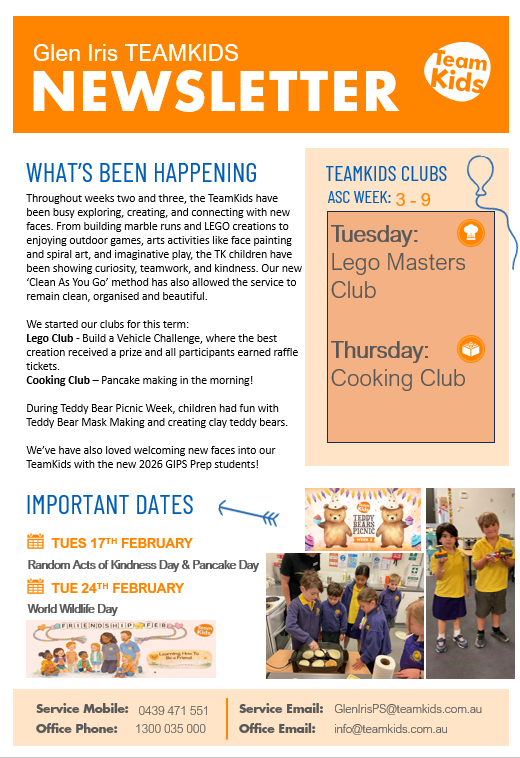
Issue #1 of Scholastic Book club was sent home last week. Thank you to the parents that have placed their orders for Issue #1 of Book Club!

There is still time to order if you haven't already. The last day for ordering is, Friday 20th February.

Your child’s order is submitted directly to school and the books will be delivered to their class. Instructions for easy online ordering are on the back of the issue.

Every Book Club order earns points for our school which go directly into new resources for our library. There will be a new issue every term.

Thank you for your support.

Krista Morris

Library

Call for Nominations for School Council

We have one vacancy on School Council for 2026 for a parent representative for a two-year term. School Councils play an important part of Victorian Schools. A notice for School Council Election and a call for nominations to the Parent Member position at Glen Iris Primary School was posted as a newsfeed on Compass. I encourage everyone who is eligible to consider applying to be on our School Council. No special background is required other than a desire to contribute to the GIPS community and the continuous improvement of our school. School Council plays a valuable role in supporting our buildings and grounds, fundraising efforts, community engagement, and policy consultation amongst other school governance roles. To apply, please pick up a nomination form from our Front Office or see attachments in the Compass newsfeed. Please send the nomination form to glen.iris.ps@education.vic.gov.au or drop off in the front office. There are also nomination forms in the Front Office for you to nominate another person who you would like another person to be on School Council. Nomination forms must be returned no later than 4 pm on 18 February to be considered.

The following parents make up the 2026 School Council positions:

  1. Gereltsetseg Badamdorj (two years)
  2. Sarah Tregoning (two years)
  3. Claire Hare (two years)
  4. Gareth Darlow (one year)
  5. Rosemary Bateman (one year)
  6. Alex Pocock (one year)
  7. Eliza Lewis (one year)
  8. (currently vacant- two year)

I want to thank the parents who were nominated in the recent call for nominations: Gereltsetseg, Sarah, Claire, and Gareth.

If you have any questions, please reach out to Maddie Witter at glen.iris.ps@education.vic.gov.au

Class Reps: 4F

We are seeking a class rep for 4F. So that our communication can be streamlined, we have shared all class lists with the class reps for all other grades across the school. Please reach out to the front office if you can help be a class rep for 4F. Responsibilities include: forwarding communication that the front office sends on your communication channel, organising an end of term play at a park, welcoming new families, and liaising with the classroom teacher to see if they need any extra help and communicating that via your communication channel. Please reach out to the front office at glen.iris.ps@education.vic.gov.au if you can help.

Evening on the Green

Evening on the Green – Event Details, Pre‑Orders & Ticket Sales

Hi everyone,

We’re excited to invite all families to our much‑loved Evening on the Green, taking place on Friday 20th February from 5:00pm–8:00pm.

This relaxed community event is a wonderful way to come together, enjoy the late‑summer sunshine, and connect with friends old and new. Bring along your picnic rug and BYO drinks, settle in on the green, and enjoy a fun night for the whole family.

_________________________________

Food & Pre‑Orders

This year, we will not have food vans on site. Instead, we’ll be offering:

  • Our classic sausage sizzle
  • Fresh pizzas from Pizza Co, Camberwell available for pre‑order
  • Garlic bread now bavailable as a pre‑order option

Place your pre‑orders for pizza and garlic here: https://www.trybooking.com/DJGTL

________________________________

Ticket Sales (Cashless Event)

This is a cashless event, and tickets will be required for food, activities, and treats.

Pre‑Sale Ticket Times (on the coloured squares)

  • Thursday 19th February - 3:15pm to 4:15pm
  • Friday 20th February - 8:30am to 9:15am

On-the-Night Ticket Sales

  • From 3:30pm on Friday 20th February at the event tent

________________________________

Ticket Prices

  • Sausage – 4 tickets
  • Drink – 3 tickets
  • Lolly bag – 3 tickets
  • Popcorn – 3 tickets
  • Fairy floss – 3 tickets
  • LICKt Ice‑cream – 5 tickets
  • Icy pole - 1 ticket
  • Face painting – 4 tickets (5:30–7:30pm only)
  • Guess the jelly bean jar – 1 ticket
  • Community partner activities – 1 ticket and the chance to win some amazing prizes

___________________________________

Can You Help?

If you have a chest freezer, marquee or esky we can borrow, we’d love to hear from you.

Volunteers are also needed to help the event run smoothly —sign up here: https://signup.com/go/HMKUASE

________________________________

We can’t wait to see you for an evening of fun, food, and community spirit!

Warm regards, Evening on the Green Organising Crew

Cyber Safe Parents – Online Safety Webinars for Families

We’re thrilled to announce our school has partnered with https://cybersafetyproject.com/ to offer parents access to the Cyber Safe Parents 2026 Webinar Series.

These practical, easy-to-understand sessions, available live or on-demand, will provide simple strategies to help families manage online safety, screen time,

AI, and digital wellbeing. Pop these important dates into your calendars now:

2026 Topics & Dates:

  1. Cyber Safety at Home (Family session) – 10 March
  2. AI & Critical Thinking (Parent/Guardian session) – 20 May
  3. Balancing Life & Tech (Parent/Guardian session) – 3 August
  4. Cyberbullying & Resilience (Parent/Guardian session) – 27 October

All sessions start at 7.30pm AEDT/AEST.

Can’t attend live? Register to receive the recording and resources to watch at a time that suits you.

👉 Register here: via the link we send on Compass (do not share this link on social media; the school has paid for each family

at the school to have access to register for these events, but not any other registrations)

Warm regards,

Shaye Bradbury

Parent Payments- A Letter from School Council

Welcome to a wonderful new year at Glen Iris Primary School. We are writing to share some context about the Parent Payments you’ve been asked to make for this year.

The Department of Education describes these as voluntary financial contributions. In practice, Parent Payments are critical to deliver a quality education and create an effective learning environment. Government funding covers the minimum for core teaching (including leadership, teaching support, professional development, relief teaching, payroll tax, superannuation).

Parent Payments are needed to cover:

Curriculum consumables like paper, pencils, printing, photocopying, art supplies; plus wellbeing resources

Library and digital resources: books, contemporary readers, online learning subscriptions and bringing iPads and laptops up to date so they can run current applications

Enhanced environment: maintaining and enhancing our indoor and outdoor learning environments, to make the school safe and welcoming for all

Why they're so important

We had a couple of years where many families didn’t pay fees, leaving a shortfall that made it very challenging for the school to deliver the high quality of education our children deserve.

Fortunately, as a community in 2025 we returned to previous healthy levels of family contributions. This enabled the school, with careful planning and budgeting, to:

  • complete much-needed internal carpeting and re-painting of classrooms
  • double our library of decodable readers
  • replace a class set of iPads that was ten years old
  • add $20,000 of books for explicit teaching in the school
  • purchase subscriptions for student learning for students
  • upgrade resources for specialist subjects (Art, PE, Performing Arts, Spanish).
  • keep our gardens landscaped; fund our photo copiers; and much more.

With your help, in 2026, the school plans to upgrade guided reading books across the school and do a much-needed refresh of the exterior paint on the buildings. The school has also supplied all the itemised resources on the parent payments information letter, for your children’s learning.

Total fees are nearly identical to the previous year, through careful budgeting. We’ve also sense-checked against nearby schools and compare favourably. At under $15 per week, GIPS fees represent the best value education in Victoria.

Your options and support

We understand some families may not be in a position to contribute. If you cannot pay the full amount, please pay what you can. If you can give more, please do. Every dollar counts. Flexible payment options are available too - please contact the school’s business manager at joanne.hayes2@education.vic.gov.auto arrange.

Please make payment today via Compass. Some contributions are tax deductible.

Thank you for enhancing education beyond the bare minimum… it makes all the difference.

Kirsty Watts

School Council President, on behalf of School Council

Camps, Sports & Excursion Fund (CSEF)

Every Victorian child should have access to the world of learning opportunities that exist beyond the classroom. The Camps, Sports and Excursions Fund helps ensure that no student will miss out on the opportunity to join their classmates for important, educational and fun activities. It is part of making Victoria the Education State and the Government’s commitment to breaking the link between a student’s financial circumstances and their outcomes.

School camps provide children with inspiring experiences in the great outdoors. Excursions encourage a deeper understanding of how the world works while sports teach teamwork, discipline and leadership. All are a part of a healthy curriculum.

CSEF is provided by the Victorian Government to assist eligible families to cover the costs of school excursions, camps and sporting activities.

If you hold a valid means-tested concession card or support an out of home care student you may be eligible for CSEF. A special consideration category also exists for asylum seeker and refugee families. The allowance is paid directly to the school to use towards expenses relating to camps, excursions or sporting activities for the benefit of your child.

The annual CSEF amount per student is $400 for all eligible school students.

How to Apply:

We have attached a form for you. We have hard copies available in the front office. CSEF Form

If you applied for CSEF at your child's school last year, you do not need to complete an application form this year unless there has been a change in your family circumstances. You only need to complete an application form if any of the following changes have occurred:

· new student enrolments:

your child has started or changed schools this year.

· changed family circumstances: such as a change of custody, change of name, concession card number, or new siblings

commencing this year.

Check with the school office if you are unsure. If you have any questions, please reach out to our business manager, Joanne Hayes.

Thank you

GIPS School Uniform Update

Dear Parents and Carers,

I would like to provide an update regarding our school uniform. Firstly, thank you for your ongoing support in ensuring students attend school in the correct uniform in line with our school policy.

As endorsed by School Council last year, we are gradually transitioning from the yellow short- and long-sleeve polo tops to our new design (shown below). This decision was made based on continuous feedback from the parents about the difficulty of keeping the tops clean. We believe the updated tops will be easier to keep clean and also look fantastic. Our Grade 6 students are proudly wearing the new tops for the first time this year.

As existing stock of the yellow polos runs out in each size, the new design will be available for purchase. Note that the yellow top prices have been reduced at PSW. Replacing all yellow tops at once would require the school to buy back all remaining stock, which is not financially possible. For this reason, the transition will occur gradually over time.

We would also like to make families aware that the new polo top is slightly more expensive than the previous yellow top (before its price was reduced to clear stock). This reflects increased manufacturing and supply costs being experienced across all school uniform suppliers. We understand that any price increase can be frustrating, which is another reason we are taking a gradual transition approach. Families are not expected to replace existing yellow tops and can continue using them until they no longer fit or need replacing.

Thank you for your continued support as we make this gradual transition. If you have any further questions, please don’t hesitate to contact the school office.

Kind regards,

Debbie McDermott

We have put together some frequently asked questions to help clarify what this change will look like over time.

Can students still wear the yellow polo tops?
Yes. Students can continue to wear their current yellow polo tops. There is no expectation that families replace uniforms immediately.

When will the yellow tops be phased out?
The transition will happen gradually over time as existing stock sells out. Once a size in the yellow top is no longer available, the new design will be the only option to purchase in that size. We expect this to take a few years.

Do families need to buy the new top now?
No. Families only need to purchase the new top when their child requires a new size or when their current top needs replacing.

Why is the school not replacing all tops at once?
To remove all yellow tops immediately would require the school to purchase all remaining stock, which is not financially possible. A gradual transition ensures the change is manageable and cost-effective for both families and the school.

Who will wear the new tops first?
Our Grade 6 students are wearing the new design this year. Other year levels will move to the new top as they require new sizes and as yellow stock sells out.

Will students be in trouble for wearing the yellow top?
No. Both the yellow and new polo tops are acceptable during the transition period. We ask that whichever top is worn is in line with the school uniform policy.

Where can we purchase the new tops?
Uniforms can be purchased through our uniform supplier (PSW). Details and links are available via the school office and newsletter.

Is the new top more expensive?
Yes, there is a small price increase on the new polo top due to rising manufacturing and supply costs. To minimise the impact on families, there is no requirement to purchase the new top immediately. Students can continue wearing their current yellow tops and only purchase the new design when needed.

Why is the school changing the polo top?
Over time we have received consistent feedback from families that the yellow tops were difficult to keep clean. They tended to show marks easily and became more transparent over time, whereby under garments worn by students could be seen. The updated design and fabric were selected in response to this feedback so that the tops are more durable, maintain their colour and provide better coverage for students.

Will second-hand uniforms be available?
Yes. As families move to the new design, we encourage donations of good-quality yellow tops to our second-hand uniform supply to support other families.

Meet the Teacher- Important Information

Meet the Teacher will take place on Monday 16 February 2026. Thank you to all families who signed up. As shared, bookings closed on 12 February.

Please note that Monday 16 February is a pupil-free day. Students do not attend school on this day. Team Kids is available for care.

During Meet the Teacher, each family books a 10-minute, student-free appointment to meet with their child’s teacher and discuss their child.
Please arrive on time so our teachers can keep appointments to schedule. You can find your booking on Compass under conferences.

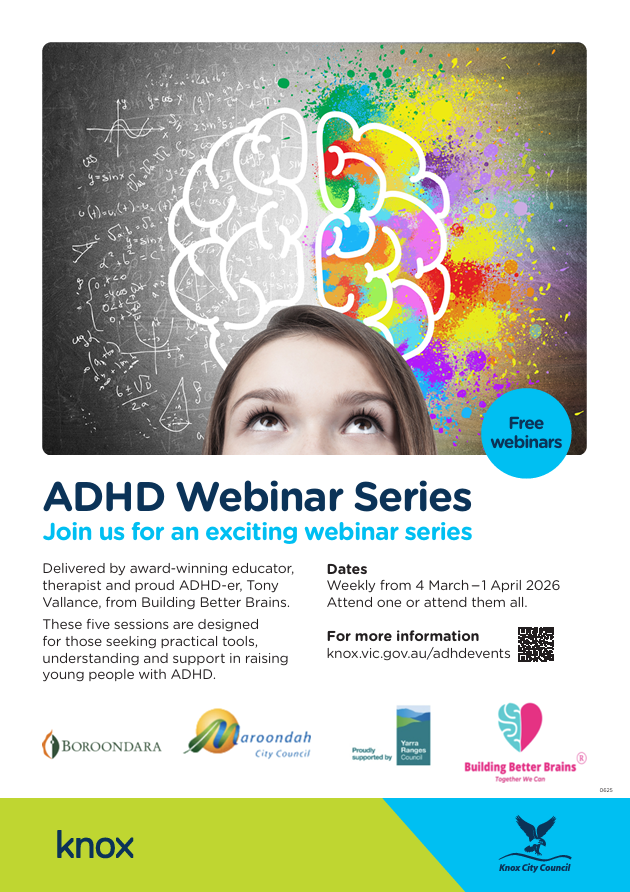
Community ADHD Webinar

Please see this webinar for families interested in finding out more about ADHD strategies.
Understanding School Can't

Attachment plays a central role in “school can’t,” as children need to feel safe and securely connected before they can engage in learning. When a child’s nervous system is overwhelmed by stress, separation from a trusted caregiver can feel threatening rather than routine. Strong, responsive attachment relationships help children co-regulate, rebuild a sense of safety, and gradually restore capacity. Supporting attachment is not about encouraging dependence, but about strengthening the secure base from which a child can eventually re-engage with school.

For more information about School Can't visit this file.
Upcoming Important Dates

There is no school today. We are holding Meet the Teacher Interviews on this Day. Team Kids is available for booking.

Please see Compass communication.

Save the date! From 3:30 pm - 4:30 pm is the Prep Family BBQ. Please see Compass communication.

Please see previous Compass communication

Please see communication in this newsletter.

Please see Compass communication.

Please see Compass communication

Please see upcoming Compass communication.

Please see upcoming Compass communication.

Please see upcoming Compass communication. Come to school in clothing recognising your cultural heritage. Join us for the Harmony Week parade.

Please see upcoming Compass communication. Come to school in Spanish culture inspired clothing.

Please wear house colours.

Please see upcoming Compass communication.

School dismisses at 2:30 pm.

Welcome back!

We are still awaiting confirmation from the venue, but pencil in this date. We will need volunteers for this event.

Please see upcoming Compass communication.

Please see upcoming Compass communication.

Please see upcoming Compass communication. Volunteers needed.

Team Kids will be available.

Please see upcoming Compass communication.

Please see upcoming Compass communication.

Please see upcoming Compass communication.

Please see upcoming Compass communication.

Welcome back!

Parent Teacher Interviews are also on this day.

Please see upcoming Compass communication.

Please see upcoming Compass communication.

Please see upcoming Compass communication.

Please see upcoming Compass communication. Volunteers needed.

Please see upcoming Compass communication. Volunteers needed.

Please see upcoming Compass communication.

Please see upcoming Compass communication.

Please see upcoming Compass communication.

Please see upcoming Compass communication.

Please see upcoming Compass communication.

Please see upcoming Compass communication.

Welcome back!

Please see upcoming Compass communication.

Please see upcoming Compass communication. Volunteers needed.

Please see upcoming Compass communication.

Please see upcoming Compass communication.

Please see upcoming Compass communication.

Please see upcoming Compass communication. Volunteers needed.

Please see upcoming Compass communication.

Please see upcoming Compass communication.

Please see upcoming Compass communication. Volunteers needed.

Please see upcoming Compass communication. Volunteers needed.

Please see upcoming Compass communication.

Happy holidays!

Share

Read Next