In our classrooms, staffroom, and community

Read on to find out what has been happening at GIPS at the start of term two.

In our classrooms

In our prep classrooms

Zones of Regulation in Prep

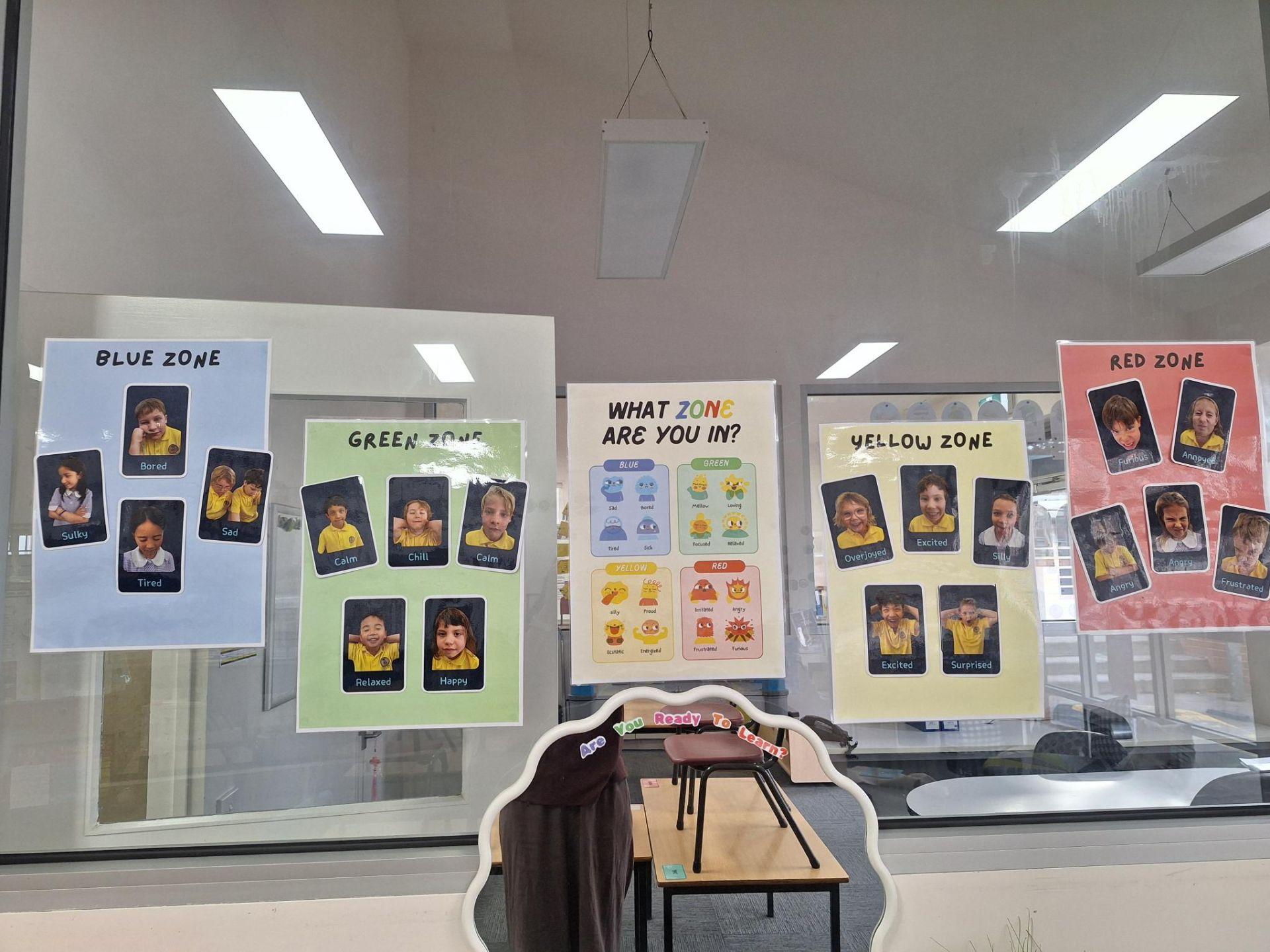
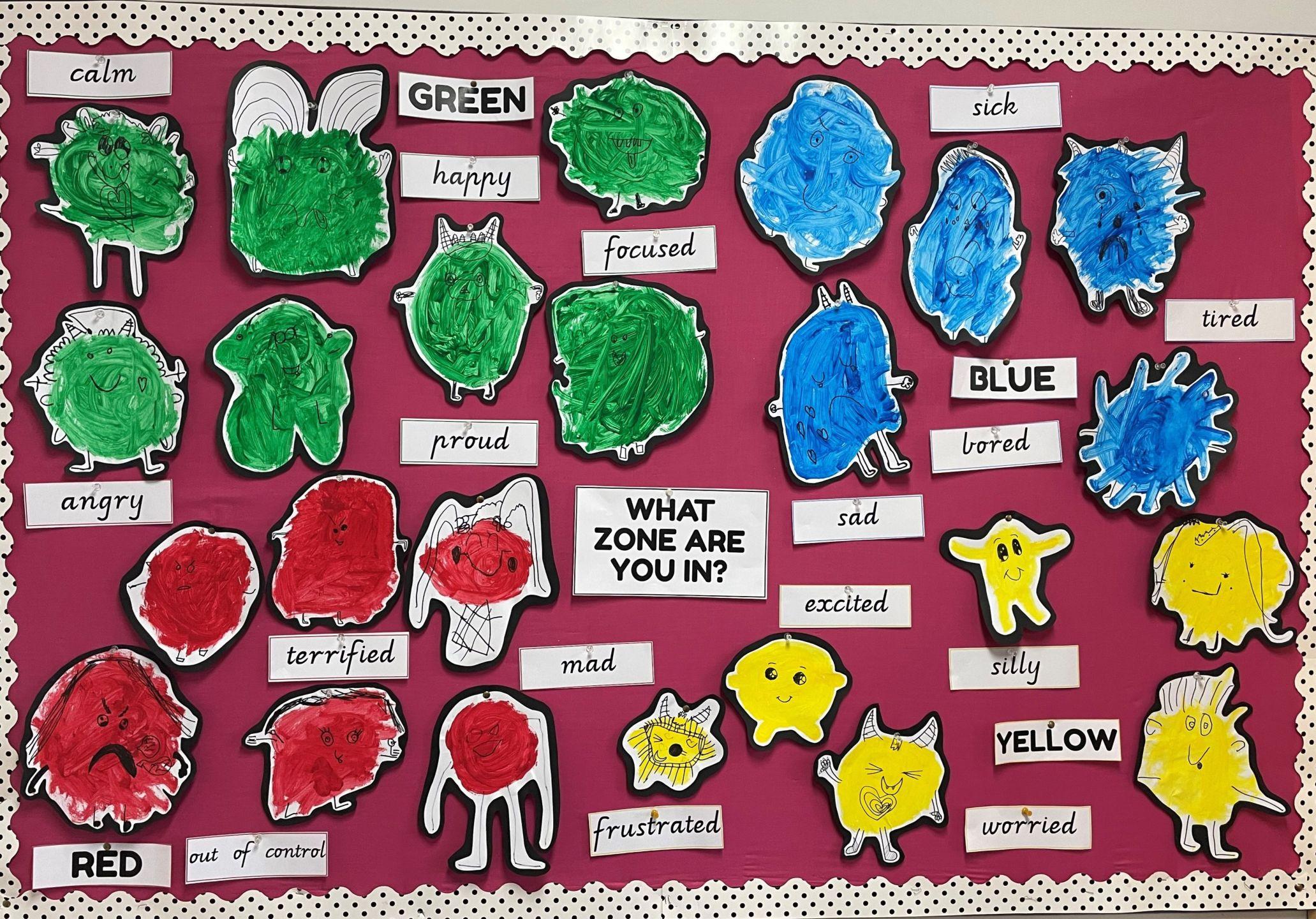
Throughout Term 1, our Prep students learned about the Zones of Regulation. They explored the four zones and what each one means:

Blue Zone – feeling tired, sad, sick or low in energy

Green Zone – feeling calm, ready to learn and in control

Yellow Zone – feeling excited, worried, silly or starting to lose focus

Red Zone – feeling very upset, angry or out of control

Students practised identifying how they feel, recognising the zone they are in, and learning strategies to help them move back to the Green Zone when needed.

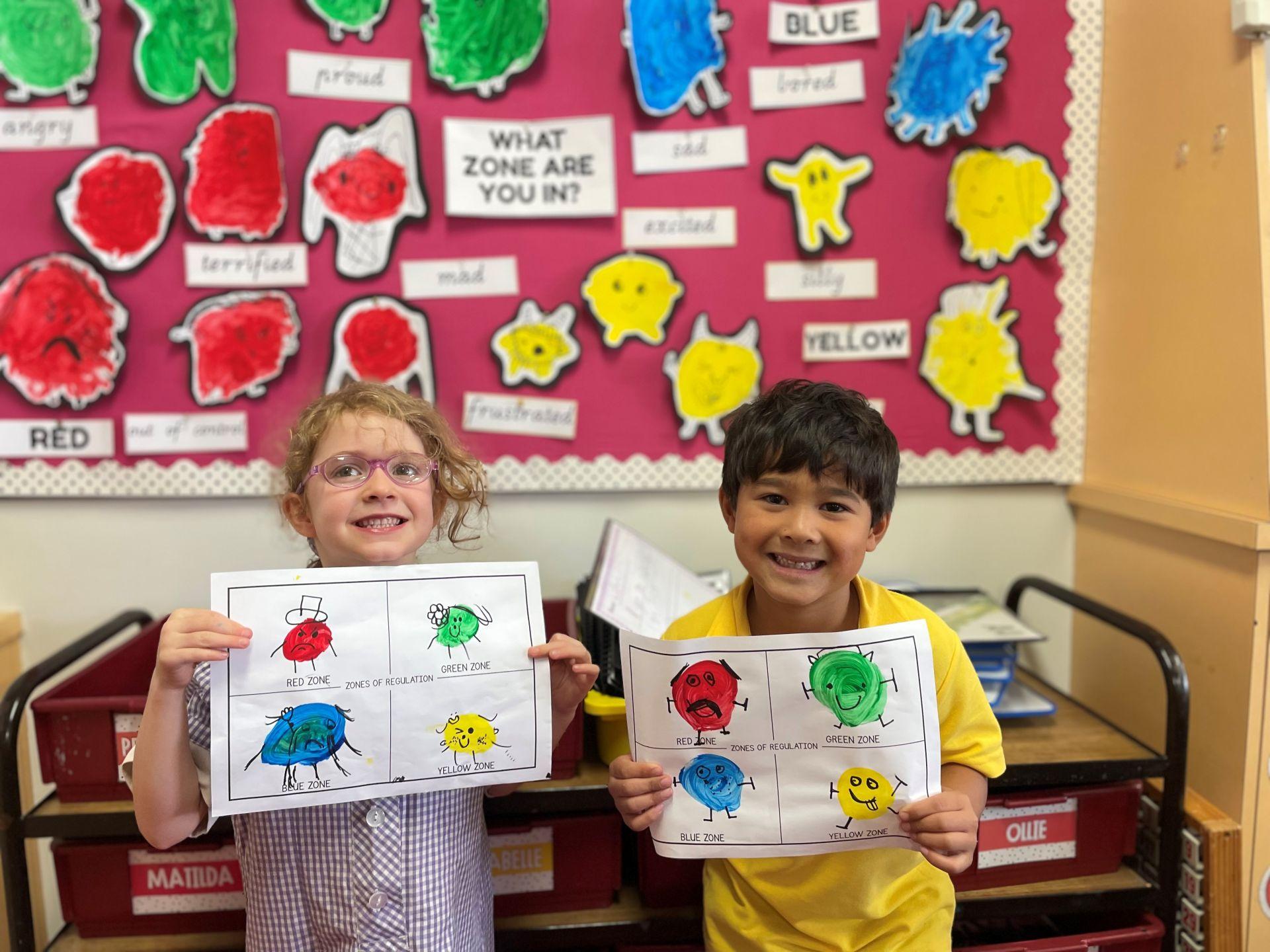
To celebrate our learning about all four Zones, we got a little crafty in our classrooms. Students created colourful blob paintings and used fine liners to draw facial expressions to match each zone. They turned out wonderfully and the students were very proud of their work!

How families can support this learning at home:

  • Talk about the Zones during everyday moments. For example, “You look a bit tired — I wonder if that might be the Blue Zone?” This helps children build language for their feelings.
  • Practise simple regulation strategies together. Try taking slow breaths or having a quiet moment with a book when your child is in the Yellow. This reinforces the strategies they are learning at school.
In our grade one classrooms

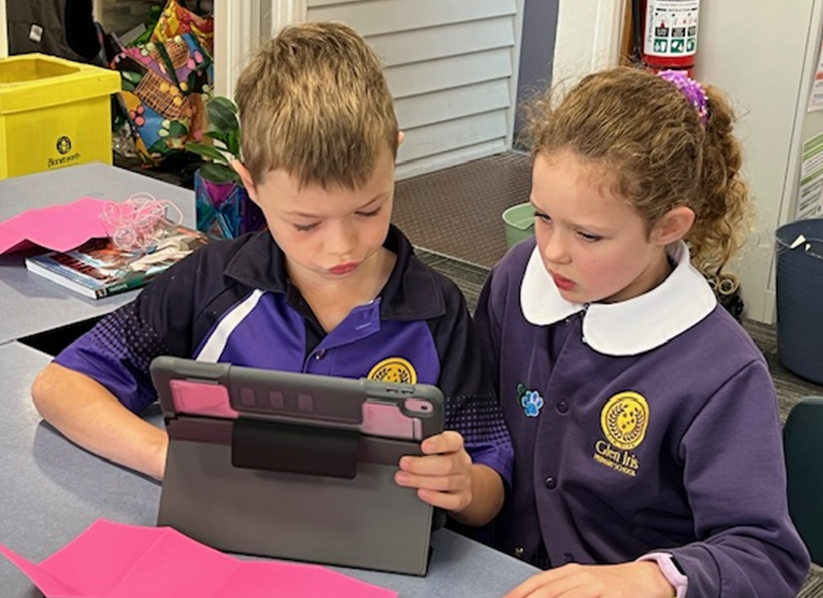
This week, our Grade One students have been working in their Literacy Groups to build their decoding skills, improve reading fluency, and strengthen their understanding of texts. It’s been wonderful to see their confidence grow as they practise reading each day.

Next steps

You can help your child by encouraging daily reading and supporting them to decode unfamiliar or tricky words, stretching and blending sounds. After reading, engage in a book chat with your child, prompting them to retell the story, ensuring the sequence events in the correct order.

In our grade two classrooms

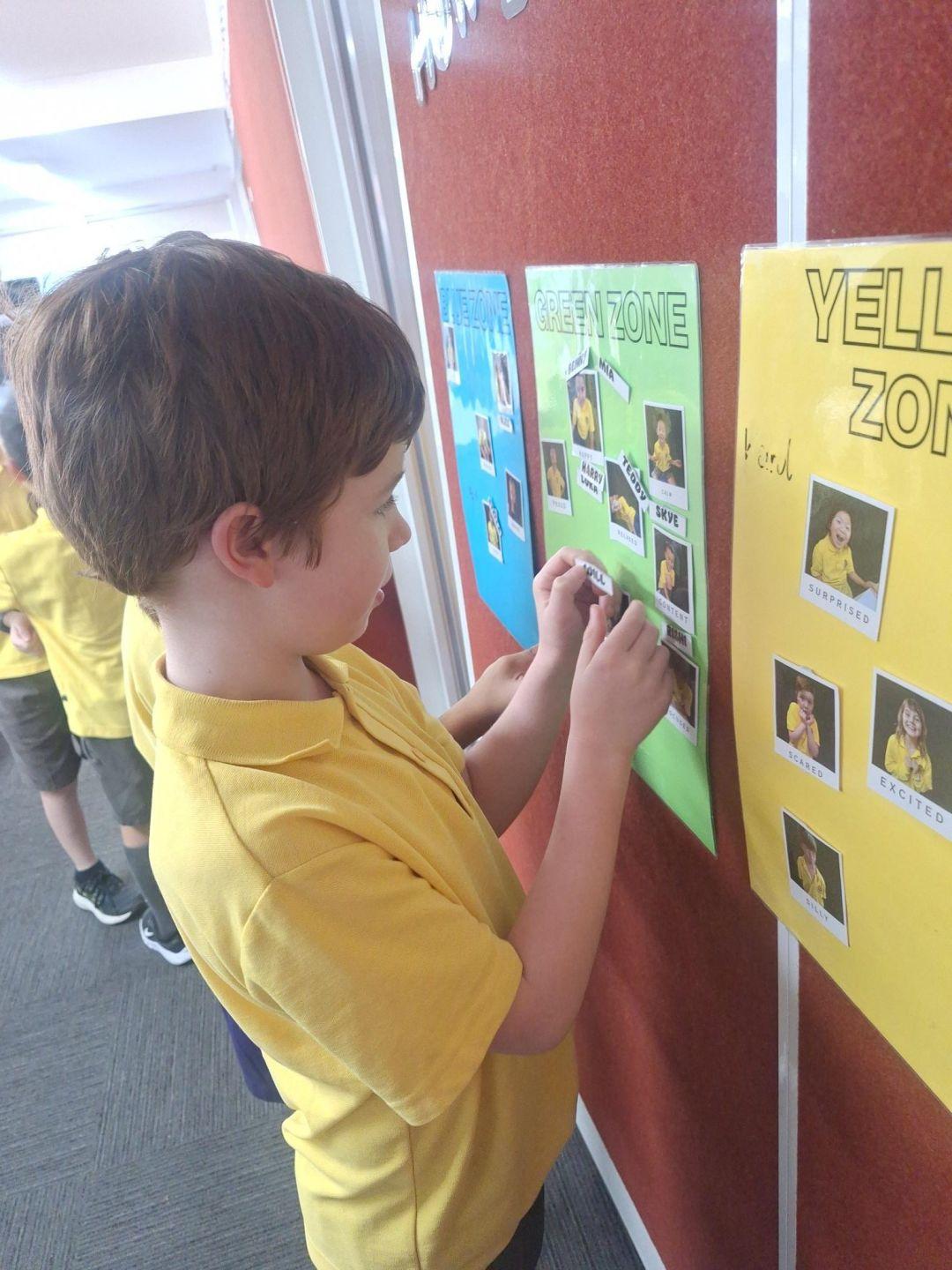
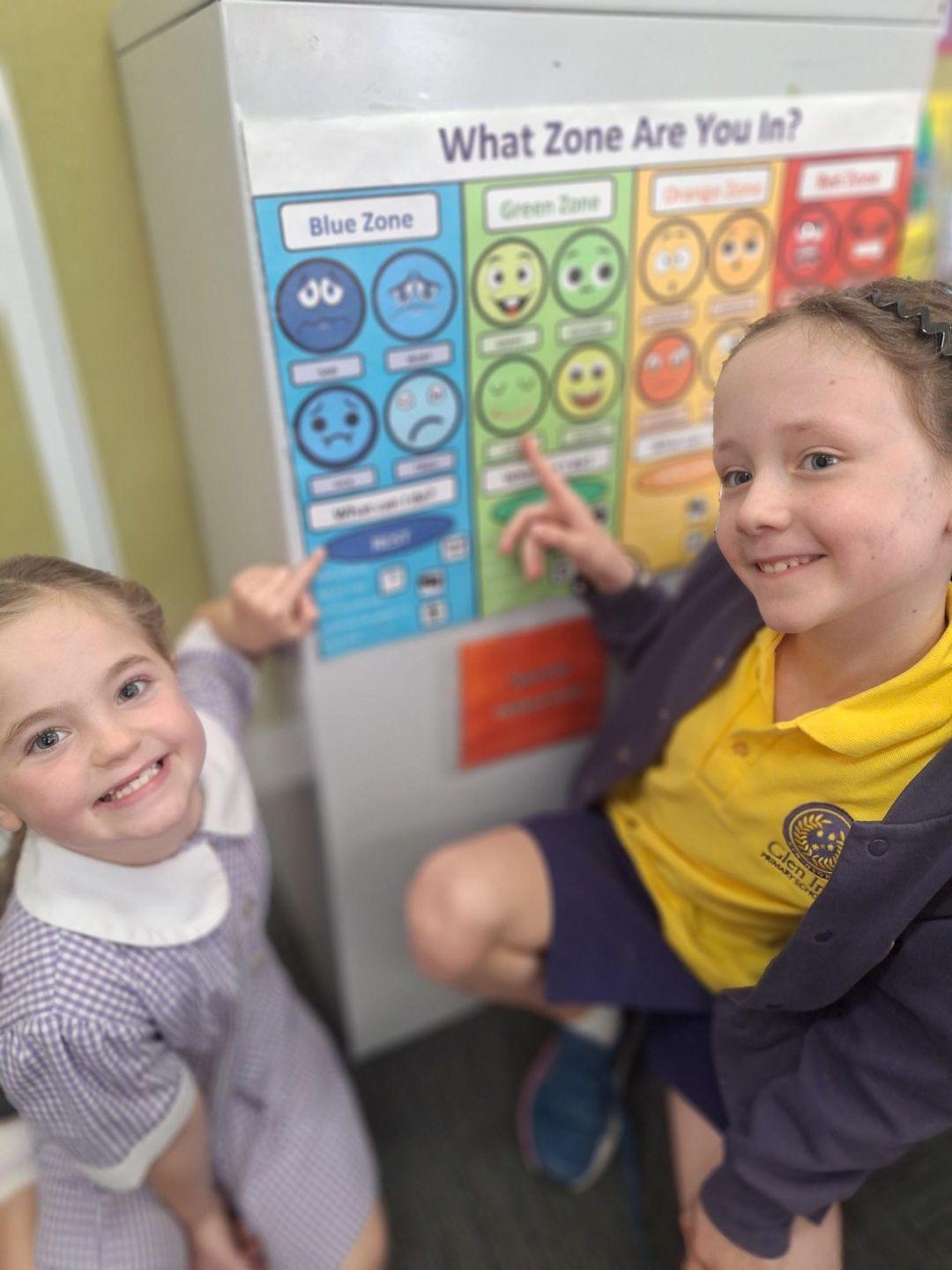
In Year 2, we have been learning about emotions, how they feel in our bodies, and how to check in with ourselves throughout the day. Using the Zones of Regulation, students are building their ability to recognise which “zone” they are in and what that means for their behaviour and learning. Identifying emotions helps children develop self-awareness and supports them to regulate their responses, make positive choices, and communicate their needs more effectively.

Next Steps
You can support this learning at home by encouraging regular check-ins with your child. For example, you might ask, “What zone are you in right now?” or “How is your body feeling?” Modelling your own emotions is also a powerful strategy. Sharing things like, “I’m feeling a bit overwhelmed, I think I’m in the yellow zone, so I’m going to take some deep breaths,” helps children see that all emotions are normal and manageable.

In our grade three classrooms

Police Visit

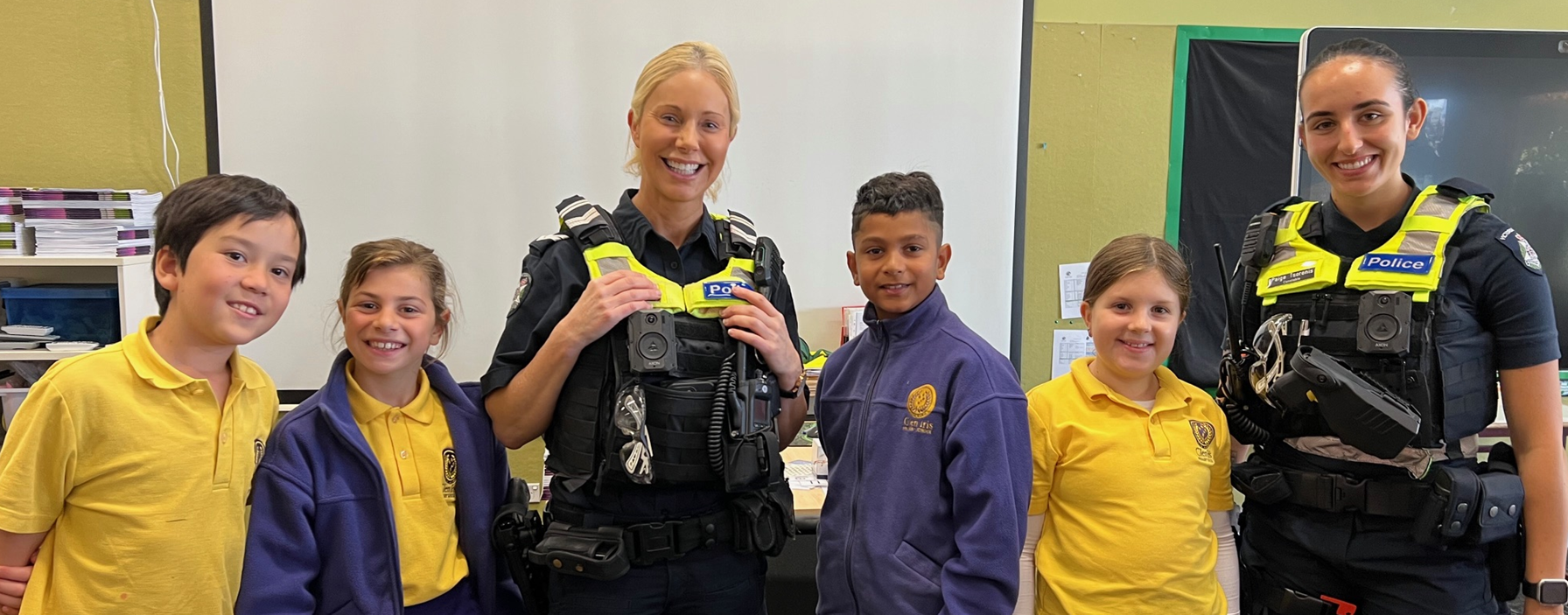
Grade 3 had an exciting and memorable visit from the police, who spoke to us about rules and laws. This engaging session was a fantastic way to wrap up our unit from last term!

Students eagerly discussed the rules we follow at home and at school, along with the consequences of not following them...many noting that loss of screen time was a common result.

The highlight of the visit was the students’ curiosity and enthusiasm. They asked a range of thoughtful and insightful questions, including, “How old do you have to be to join the police force?” and “What happens if a police officer breaks the law?”

It was a wonderful learning experience that sparked great discussion and curiosity among our Grade 3 students! Thank you to Victoria Police for making the time and visiting us.

Grade 3 Fractions

Grade 3 has dived enthusiastically into the world of fractions this week! We’ve been busy learning how to name and identify fractions, focusing on unit fractions such as halves, thirds, quarters, fifths and tenths, as well as their multiples.

Students have been practising how to recognise and represent these fractions in a variety of ways.

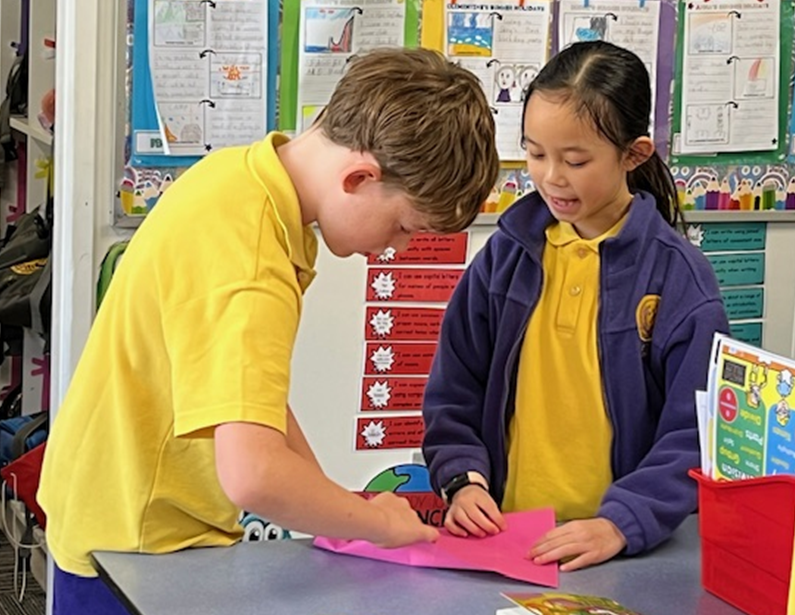
There has been lots of hands-on fun in the classroom, with students folding paper to create and represent different fractional parts. This practical approach has also helped them begin to identify simple equivalent fractions.

It’s been wonderful to see their confidence and understanding grow as they explore this important maths concept!

How you can support learning at home:

You can help your child build confidence with fractions through simple, everyday activities. In the kitchen, try cutting foods like sandwiches, pizzas, or fruit into halves, quarters, or eighths and talk about the different parts. Ask questions like, “If we put these two quarters together, what do we have?”

You can also explore fractions through folding paper into equal parts to make halves, thirds, or quarters, or draw shapes and shade different fractions.

Finally, keep an eye out for fractions in daily life, such as measuring ingredients, telling the time (half past, quarter past), or even discussing portions. Talking about these real-life examples helps make fractions meaningful and fun!

In our grade four classrooms

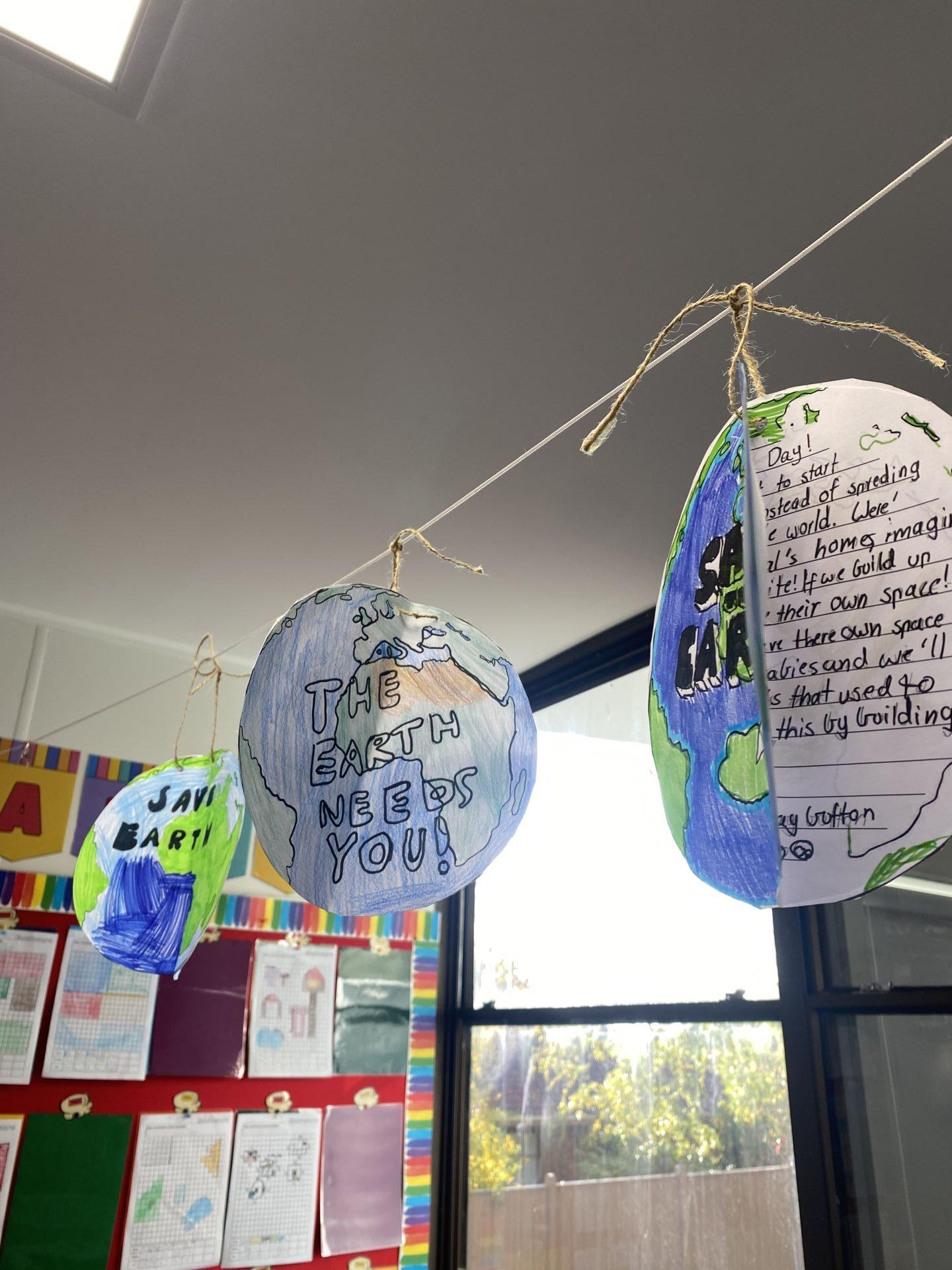
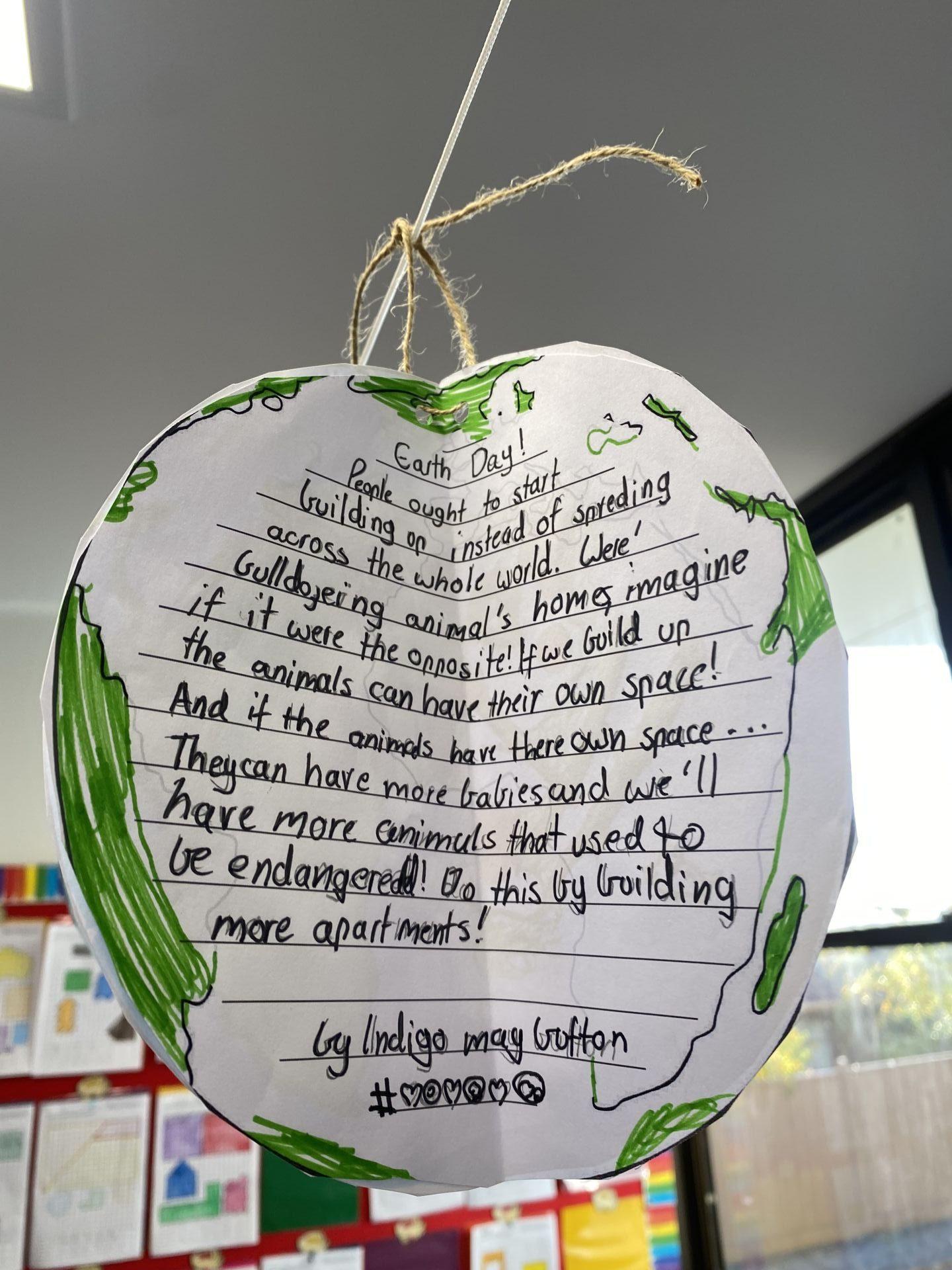
In Year 4, students read and learnt about Earth Day and discussed ways they can help care for the environment. Each student chose one action they can take, such as turning off lights when leaving a room or reusing paper. In 4F, students then created a display to share their personal goal and how they can help make a difference.

You can support this learning at home by:

  • Asking your child about their goal and encouraging them to follow through with it at home.

In our grade five and six classrooms

Grade 5 and 6 have begun Lit Circles independent books this term. With much excitement, students chose novels from a wide scope. These include fantasy, biographies, sci-fi mystery and novels based on real events such as WWII. The novel is split into four parts for students to read and respond to over four weeks. In class, students participate in discussions with their group about the novel, their thoughts, opinions and analysis. Parent are encouraged to continue discussion at home about the novels their child has chosen. There are many with challenging ideas and themes and students would benefit from further discussion. Lit Circles roles are due every Monday.

In our art room

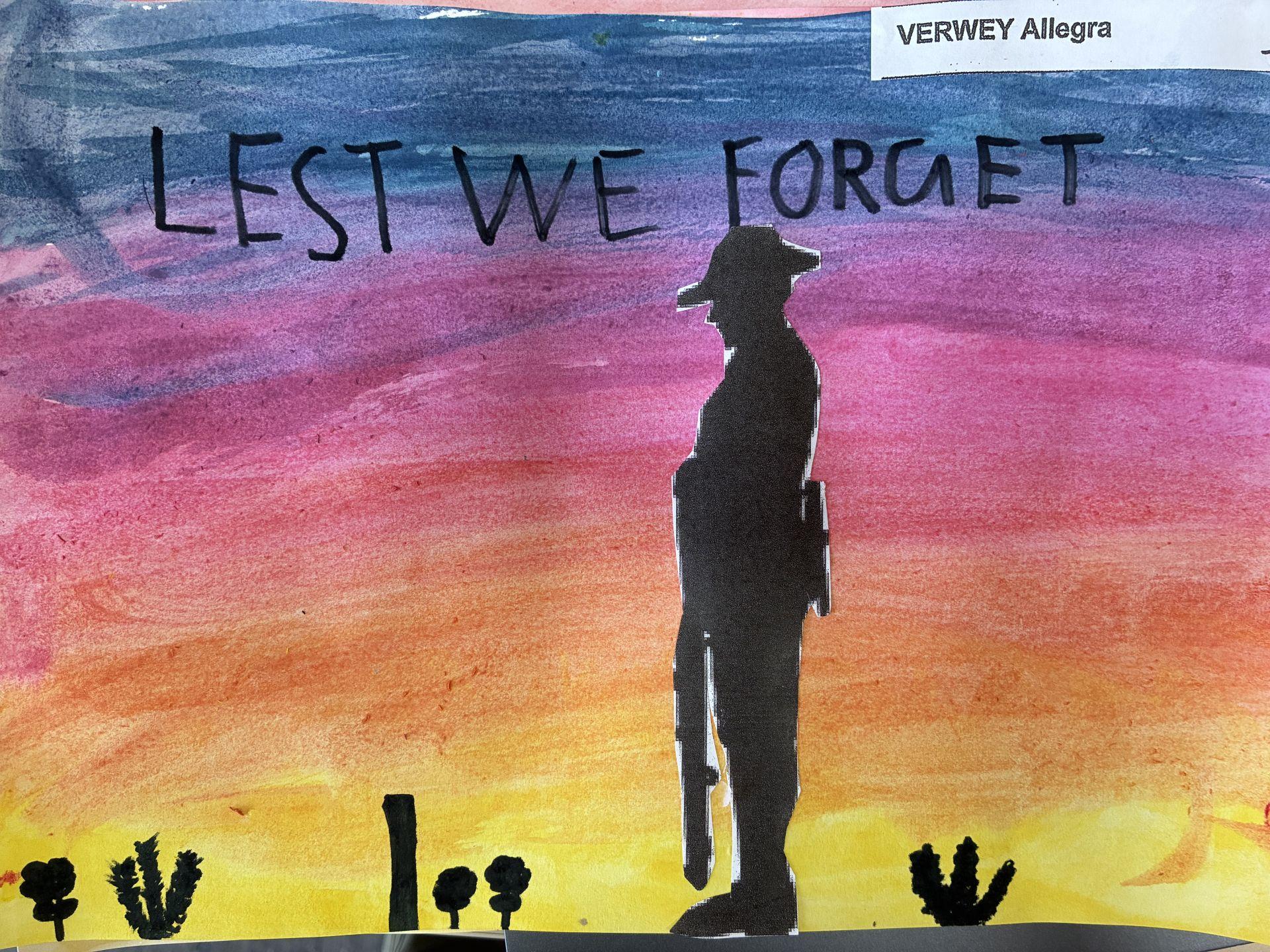
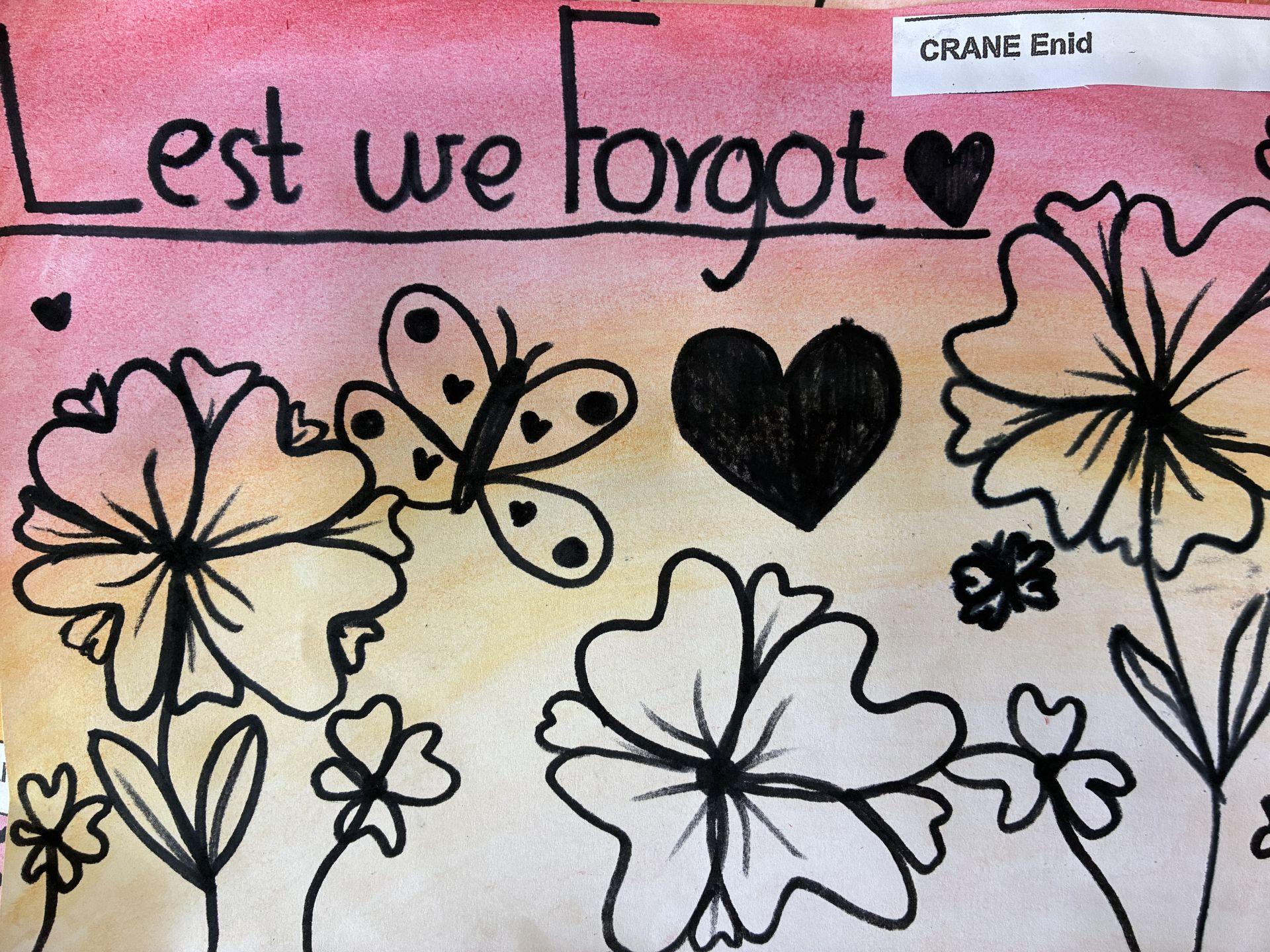
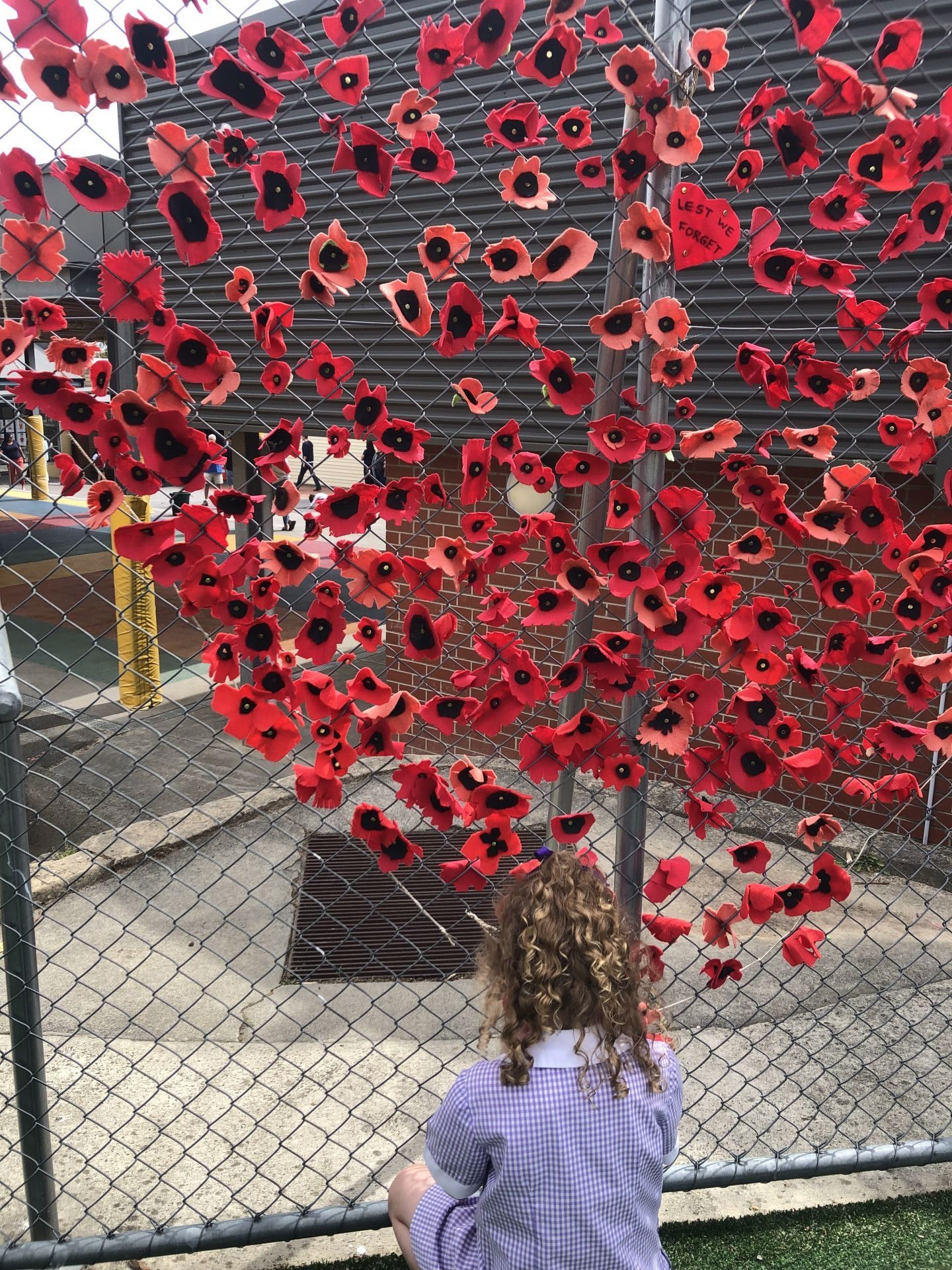
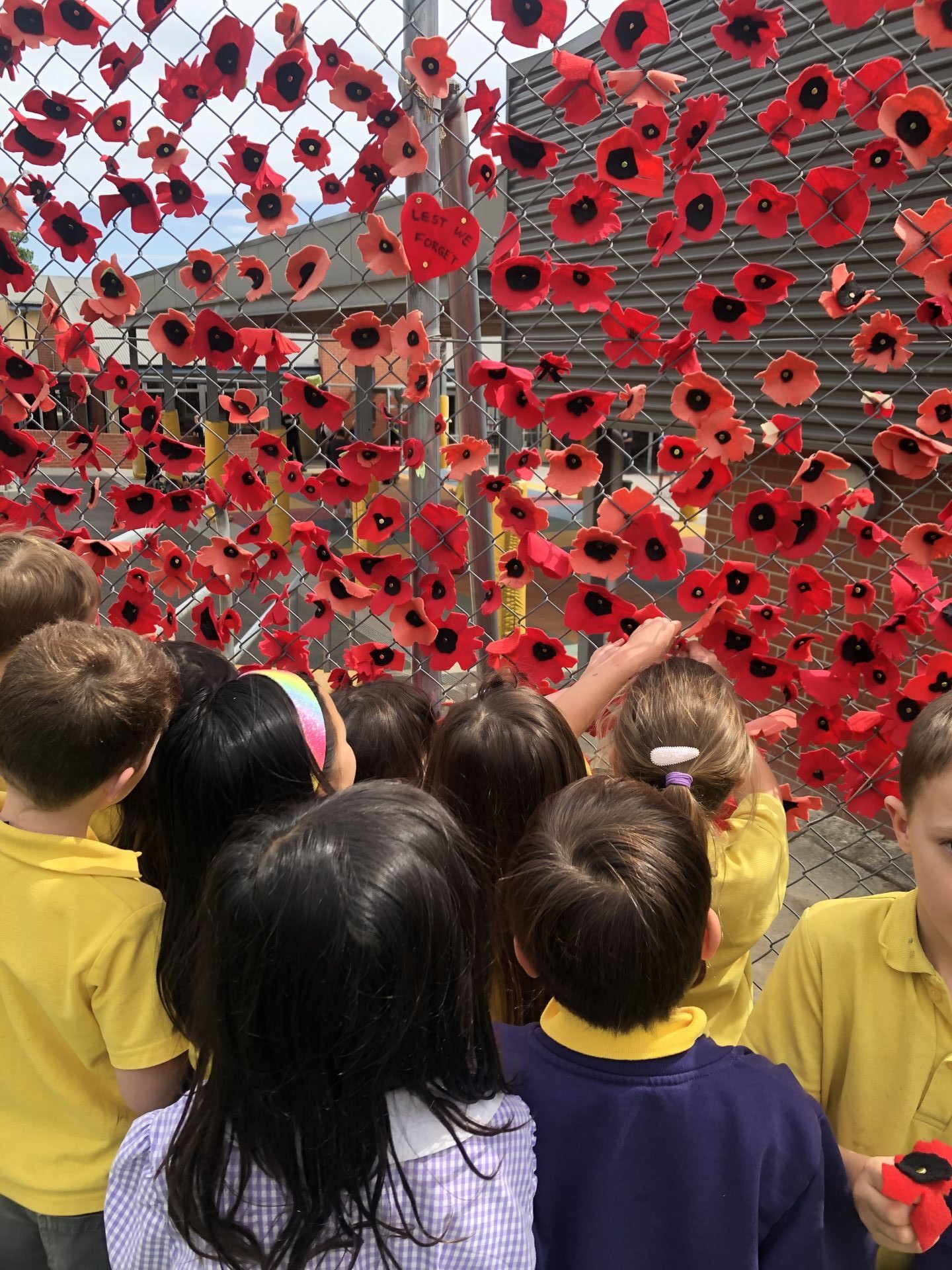
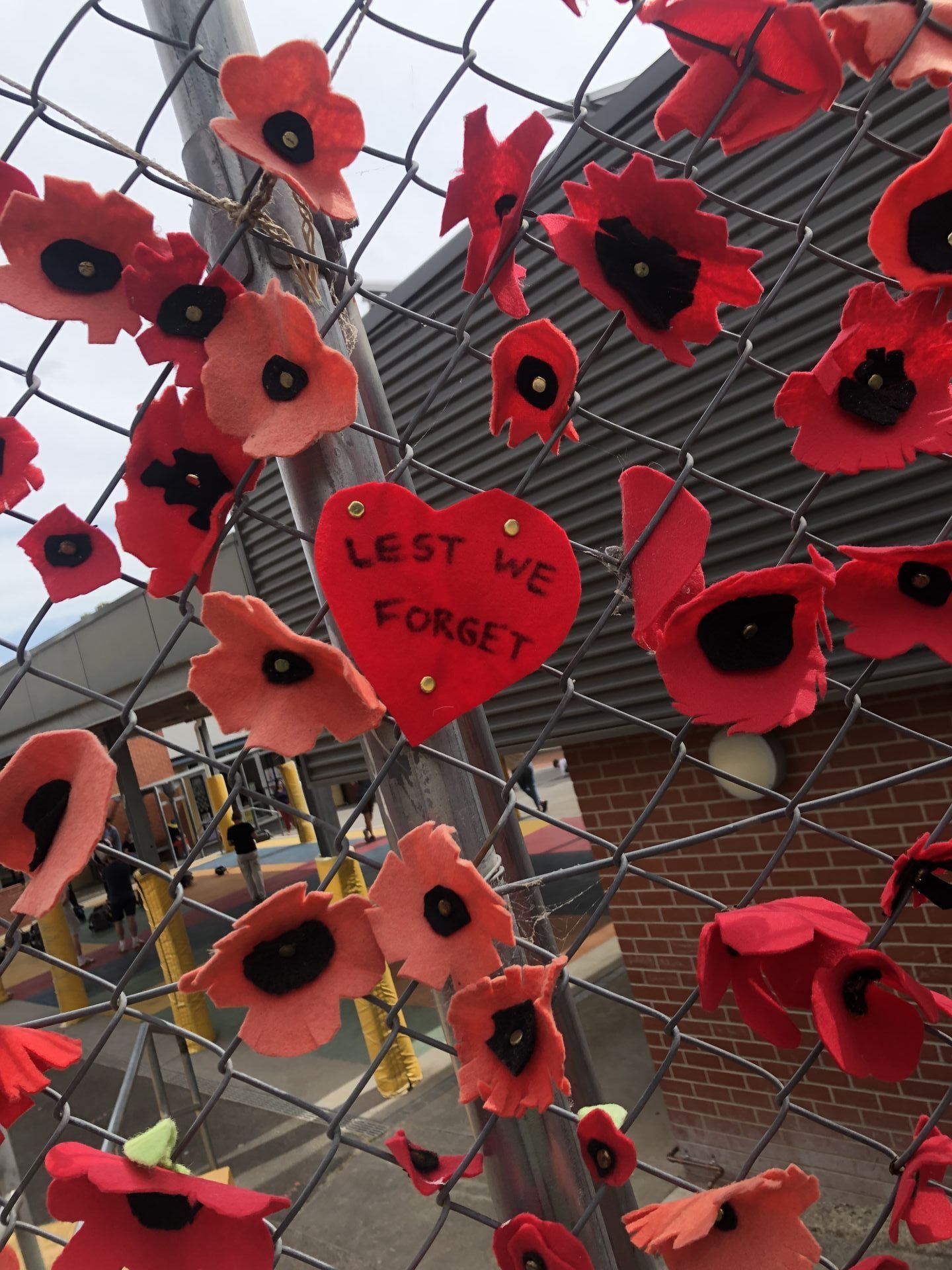
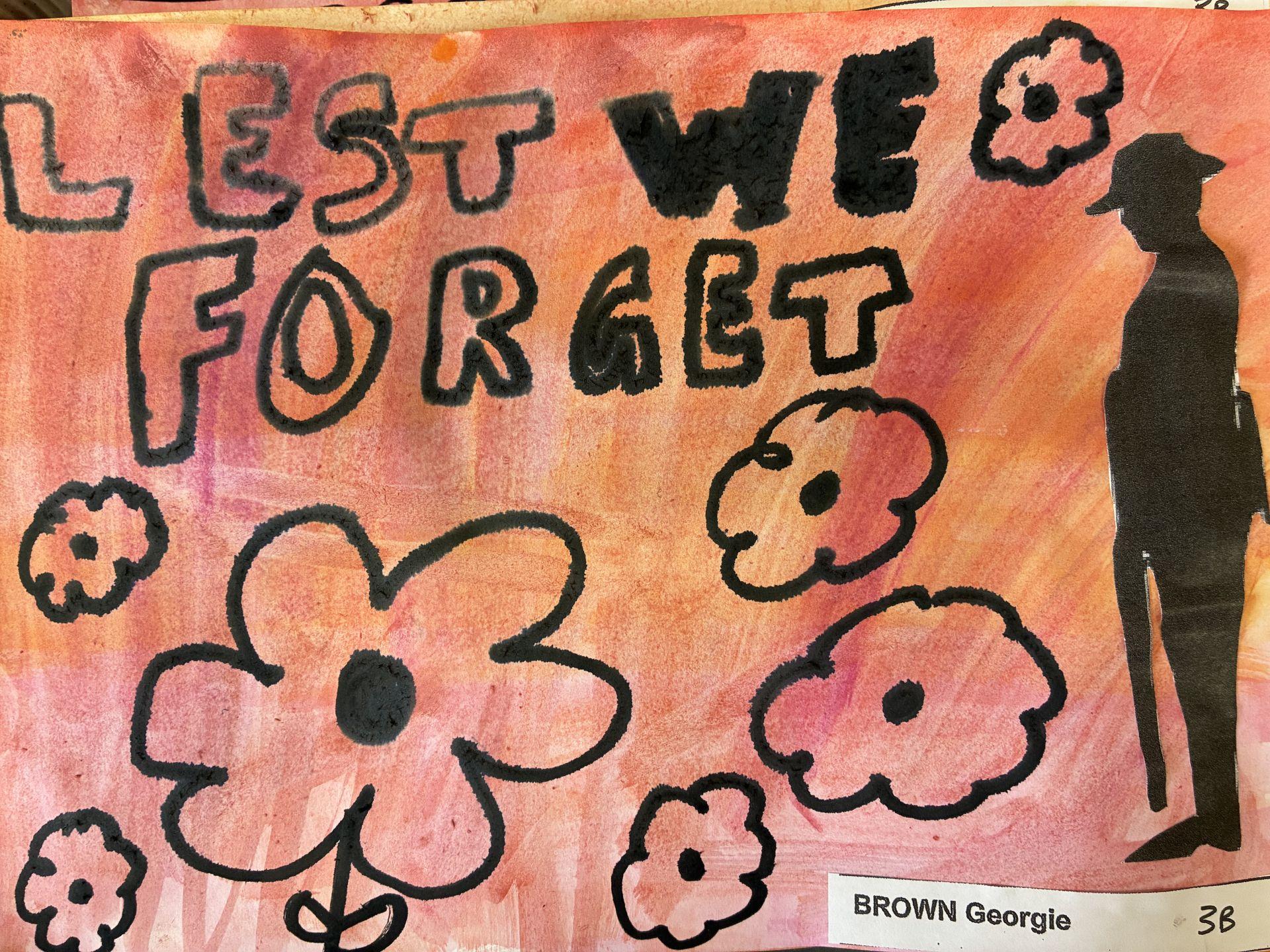
Students have worked with so much care, respect and kindness on commemorating ANZAC Day. Junior students have made new poppies for our Heart of Poppies on the oval fence, a permanent installation created by all students at the school. Senior students painted a poster of the dawn service, incorporating silhouettes and ANZAC motifs. Lest we forget.

In Spanish

Year 5/6 students have begun the term by revising key language and concepts learned last year, helping to build confidence and reinforce their understanding. They are now preparing to begin reading our next Spanish book, which will support the development of their reading comprehension skills in the target language and expand their vocabulary through engaging and meaningful contexts.

In our staffroom

Understanding Changes to School Reports in 2026

From 2026, families will notice a change in the way our school reports student learning. These updates are being made to ensure our reporting remains aligned with the Victorian Department of Education direction for student reporting as reporting requirements continue to evolve for 2027 and beyond. The Department has been working to make school reports clearer, more consistent and easier for families to understand across all Victorian schools. At present, reports are required to include a teacher judgement, student progress and a five-point scale for each learning area.

What is changing in our reports?

Previously, many school reports included:

  • a written summary explaining what students learned in each subject
  • detailed indicators showing how students performed against individual skills
  • multiple descriptors that could sometimes feel overwhelming for families to interpret

From 2026, our reports will become more streamlined.

Families will no longer see:

  • individual subject blurbs describing each unit of learning
  • separate indicators for every skill within a subject area

Instead, reports will focus on a clear five-point scale that shows how your child is progressing in each learning area.

What families will see instead

Each subject will include a 5-point achievement scale, which gives a clearer picture of how your child is performing against the expected standard for their year level.

The scale may be understood as:

Well Above Standard
Your child is demonstrating learning significantly above the expected level.

Above Standard
Your child is achieving above the expected level.

At Standard
Your child is achieving at the expected level for their year.

Below Standard
Your child is working towards the expected level and may need additional support.

Well Below Standard
Your child is currently working well below the expected level and requires significant support.

The Department requires all Victorian schools to include a five-point scale because it provides families with a clearer understanding of student achievement and progress over time.

Why these changes are being made

The purpose of these changes is to make reports:

  • easier to read
  • more consistent across schools
  • clearer for families
  • more focused on student progress

Rather than reading through lengthy written comments for every subject, families will be able to quickly see how their child is progressing in each area of learning.

What stays the same

Although the format is changing, our commitment remains the same.

Families will still receive:

  • meaningful information about student learning
  • opportunities to discuss progress with teachers
  • support in understanding next steps for learning

Teachers will continue to know each child as an individual and use assessment information to guide their growth.

Looking ahead

These 2026 changes help prepare our school for the broader reporting changes being introduced by the Department from 2027 onward. By moving to a clearer reporting format now, we hope families will find reports simpler, more useful and easier to understand.

If you have any questions about the new reporting format, we encourage you to speak with your child’s classroom teacher or school leadership team. We encourage you to engage with our year level newsletters, which include descriptions on what your children are learning each term.

Supporting Every Child to Thrive

Over the coming newsletters, we’ll be sharing a series of wellbeing-focused articles in our newsletter to give families greater insight into the approaches and programs we use to support students. Many parents have expressed interest in understanding how we teach children to manage emotions, build resilience, and navigate social challenges, and we’re excited to open that window for you.

At our school, student wellbeing is at the heart of everything we do. We use a range of evidence-informed programs to help children develop emotional awareness, positive relationships, and effective coping strategies. These include the Berry Street Education Model, Zones of Regulation, RRRR (Respectful Relationships), and The Resilience Project. Together, these approaches provide a consistent and supportive framework for students from Prep through to Year 6.

In addition to these programs, we use a restorative approach when supporting students through conflict or challenges. Our process, called Face Up, Fix It, Finished, is based on the work of Margaret Thorsborne and her “4 Fs” model: Fess Up, Face Up, Fix Up, Finish Up. This model was originally developed to support children with additional needs and has since been adapted in schools to make the language and process accessible for a wider range of learners.

This approach helps students to:

  • Take responsibility for their actions
  • Understand the impact of their behaviour on others
  • Repair relationships in a meaningful way
  • Move forward positively

Importantly, this process isn’t just for “big” issues—it’s used in everyday situations to build accountability, empathy, and problem-solving skills. It supports all students in learning how to manage conflict respectfully and constructively.

In upcoming newsletters, we’ll take a closer look at each of these programs and practices, including practical examples and ways you can support this learning at home.

We look forward to sharing this journey with you. Shaye Bradbury, Acting Assistant Principal

In our community

Subject💐 Last Chance – Mother’s Day Lunch! 🎉

Our GIPS Mother’s Day Lunch is just around the corner, and you have two days left to book your seat.

Join us for a wonderful afternoon celebrating our amazing mums and caregivers while supporting fundraising for new student furniture. With limited seats remaining, now is the time to secure your spot.

📅 Friday 8 May, from 12:30pm
📍 Lemnos Greek Tavern, Prahran (BYO)

🎟️ Book now: https://www.trybooking.com/DLBFJ

If you can’t attend, you can still support our school community by making a donation via the link.

We can’t wait to celebrate with you! 💜

School Council

Parent Payment Updates

Dear Parents and Carers,

Thank you to the many families who have already made their Parent Payments for 2026. Your support is greatly appreciated and directly benefits every student in our school.

If you haven’t yet made your payment, we kindly ask that you do so via the Compass app.

At present, 61% of families have contributed, with $103,000 received to date. Over 60% of these funds have already been spent to set up classrooms for the beginning of the school year, ensuring students started the year with the resources they need. There are still a number of curriculum based and essential classroom resources scheduled for purchase throughout Term 2, which rely on Parent Payments to be fully funded and delivered as planned.

Parent Payments provide essential resources that students use every day, including classroom supplies (books, stationery, art materials, STEM, PE and Spanish resources) and key digital learning tools such as Seesaw, Mathletics, Storybox Library, PM eCollection, Sound Waves, and Maths Online.

These contributions ensure we can maintain and enhance high-quality learning programs and provide well-resourced, engaging classrooms across the school. While

government funding provides core staffing and essential provision, Parent Payments allow us to deliver the enriched learning environment our students experience every day.

If you haven’t yet contributed, we would greatly appreciate your support in doing so. Login to Compass Portal or App and click ‘Course Confirmations’ above the newsfeed or you can pay in person at school.

For flexible payment options or assistance, please contact the office on 9885 3624 or glen.iris.ps@education.vic.gov.au.

Thank you for your ongoing support of our school.

Kind regards,

Joanne Hayes

Business Manager

on behalf of School Council

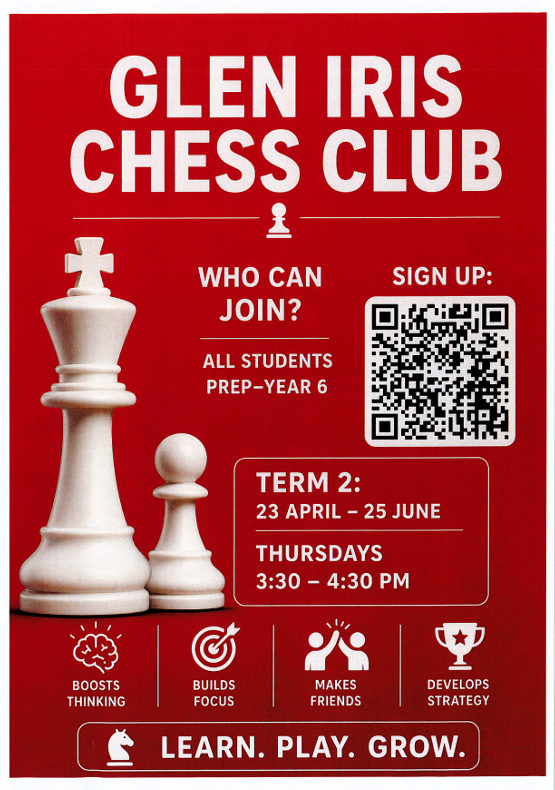
Chess Alive

Possible Industrial Action – 9 June 2026

Families are advised that potential stop work action may occur on Tuesday 9 June 2026, which may result in some or all classes not operating until 1:00pm on that day.

At this stage, we will provide families with further information closer to the date in line with advice from the Victorian Department of Education and the Department's communication timeline. We appreciate your understanding and will keep families updated as more details become available.

Walk-a-thon Totals

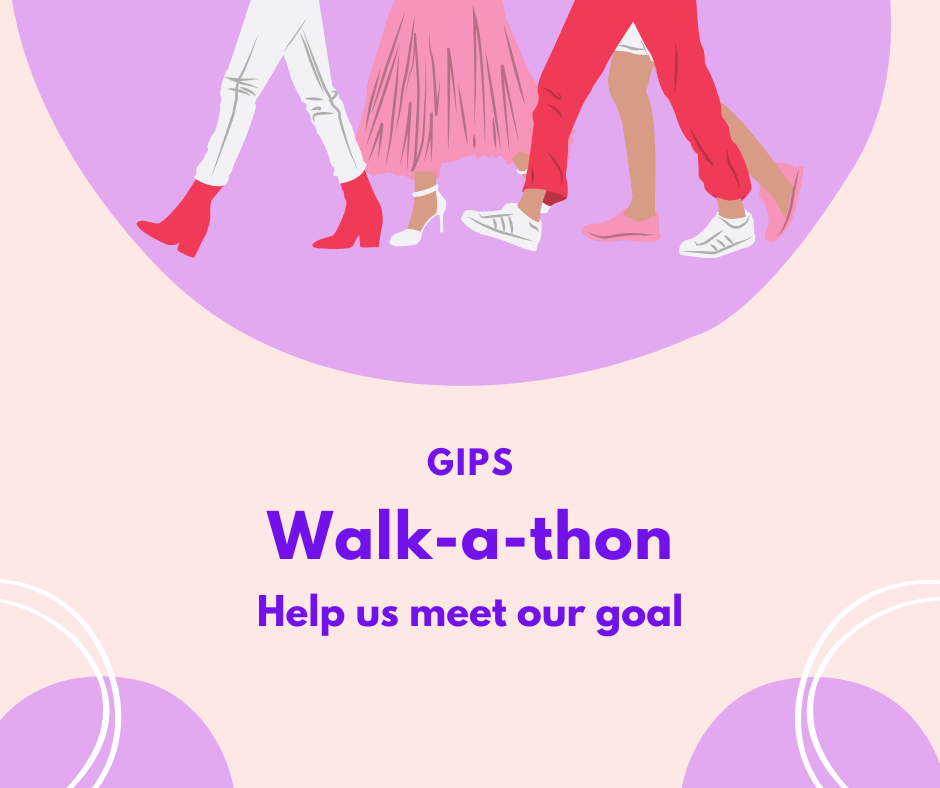
Thank you so much for your generous support of our Walk-a-thon. So far, we have raised an incredible $9,835.77 toward our $11,000 fundraising goal. We are now just $1,164.23 short of reaching our target, and we would love to see if we can get there with your continued support. If you have been meaning to make a donation, there is still time to help us cross the finish line. Every contribution, no matter the size, makes a real difference for our school community. Thank you again for your ongoing support and generosity.


2027 Prep Enrolments Now Open

2027 Prep Enrolments are now open and close 31 July 2026.

This year our school is using an online system for new enrolments to Victorian government schools called VicStudents.   VicStudents is available for students who are enrolling in a Victorian Government School for the first time. This includes Foundation (Prep) enrolments for 2027.

VicStudents has been assessed by the Department of Education to a high degree of security in line with the Victorian Protective Data Security Standards and is compliant with ISO 27001, the leading international standard for information security.

To commence online enrolment: Visit https://students.educationapps... to create an account and complete the online application form. Please ensure that all documents required are attached to the application. This process can commence at the end of April 2026.

A Quick Reference Guide to using the online system is available here.

2027 Foundation (Prep) enrolment

Our school zone

Our school zone is available on findmyschool.vic.gov.au which hosts the most up-to-date information on school zones in Victoria.

Students residing within our school zone are guaranteed a place at our school, which is determined based on your permanent residential address.

Our school manages enrolments using the Placement Policy to ensure that students have access to their designated neighbourhood school and may enrol at another school, if there are available places.

For more information, you can:

  • visit School zones for answers to frequently asked questions
  • call the Victorian School Building Authority (VSBA) on 1800 896 950

2027 Foundation (Prep) enrolments

The Department of Education has released the statewide Foundation (Prep) enrolment timeline for the 2027 school year.

The timeline advises families when and how to enrol their child into Foundation (Prep) at a Victorian government primary school, including our school.

All government primary schools will follow the timeline in 2026 to support Foundation (Prep) enrolments for the 2027 school year.

You can find information and resources about the timeline, including factsheets and a poster at: Enrolling in Foundation (Prep).

What you need to do:

    • Parents/carers can submit their enrolment applications from the start of Term 2, 2026. This follows the release of 2027 zones on the department’s Find my School website and the publication of Foundation enrolment information packs.
    • Enrolment applications from parents/carers are due by the last Friday of July, 31 July 2026.
    • Schools notify parents and carers of the outcome of enrolment applications between Monday 3 August and Friday 14 August 2026.
    • Parents/carers who receive an enrolment offer should respond to the offer by Friday 28 August 2026.
    • Written appeals from parents/carers are to be lodged with schools by Friday 28 August 2026.
    • Schools notify parents and carers in writing of the outcome of appeals by Friday 11 September 2026.
    • Take part in enrolment information and transition sessions during Term 4, 2026.

Enrolment applications submitted after 31 July 2026 will be processed by our school as they are received, in accordance with the department’s Placement Policy. Following 31 July 2026, we can only accept paper enrolments which can be found in the Enrolling in Foundation (Prep) pack.

2026 enrolments or Year 1-6 2027 Enrolments

Enrolment forms (for use outside of the Prep 2026 Enrolment Process) can be found here. They cannot be made on the Insight platform.

2027 Prep Open Day

This year, our Open House Day is designed to supplement a school tour and Information Evening. This day is specifically designed for the children who may be enrolled at our school. It is unlike our Information Evening (designed for families) or our School Tours (also designed for families).

During Open House Day, GIPS students will take small groups of prospective students (with their parents) around to different activities aimed to capture "A Day in the Life at GIPS". Please only enrol if you are an interested 2027 Prep family. Future enrolments can attend a following year. To register your interest, please fill in the form below. Bookings are required. If you have any questions, contact our front office at (03) 9885 3624 or glen.iris.ps@education.vic.gov.au .

Visit here to book.

Prep 2027 Information Evening

Visit here to book.

Upcoming Dates

See Compass comms

See Compass comms

Please see communication in this newsletter

Please see upcoming Compass communication.

Please see upcoming Compass communication. Volunteers needed.

Team Kids will be available.

Please see upcoming Compass communication.

Please see upcoming Compass communication.

Please see upcoming Compass communication.

Please see upcoming Compass communication.

Welcome back!

Parent Teacher Interviews are also on this day.

Please see upcoming Compass communication.

Please see upcoming Compass communication.

Please see upcoming Compass communication.

Please see upcoming Compass communication. Volunteers needed.

Please see upcoming Compass communication. Volunteers needed.

Please see upcoming Compass communication.

Please see upcoming Compass communication.

Please see upcoming Compass communication.

Please see upcoming Compass communication.

Please see upcoming Compass communication.

Please see upcoming Compass communication.

Welcome back!

Please see upcoming Compass communication.

Please see upcoming Compass communication. Volunteers needed.

Please see upcoming Compass communication.

Please see upcoming Compass communication.

Please see upcoming Compass communication.

Please see upcoming Compass communication. Volunteers needed.

Please see upcoming Compass communication.

Please see upcoming Compass communication.

Please see upcoming Compass communication. Volunteers needed.

Please see upcoming Compass communication. Volunteers needed.

Please see upcoming Compass communication.

Happy holidays!

Issue 6, 2026 From Maddie's Desk - 27 Apr 2026

In our classrooms, staffroom, and community

Read on to find out what has been happening at GIPS at the start of term two.

Maddie Witter

Principal

In our classrooms

In our prep classrooms

Zones of Regulation in Prep

Throughout Term 1, our Prep students learned about the Zones of Regulation. They explored the four zones and what each one means:

Blue Zone – feeling tired, sad, sick or low in energy

Green Zone – feeling calm, ready to learn and in control

Yellow Zone – feeling excited, worried, silly or starting to lose focus

Red Zone – feeling very upset, angry or out of control

Students practised identifying how they feel, recognising the zone they are in, and learning strategies to help them move back to the Green Zone when needed.

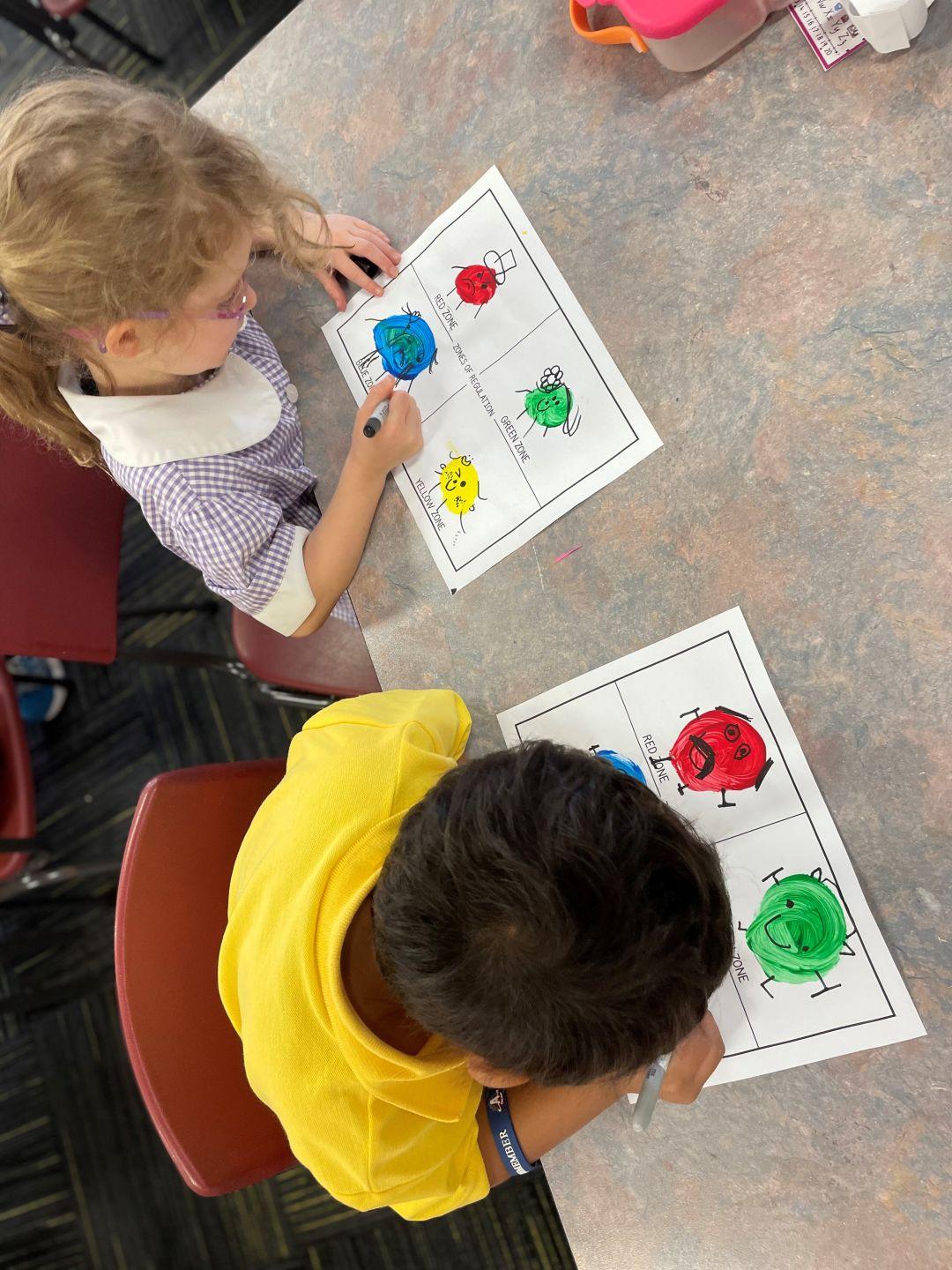
To celebrate our learning about all four Zones, we got a little crafty in our classrooms. Students created colourful blob paintings and used fine liners to draw facial expressions to match each zone. They turned out wonderfully and the students were very proud of their work!

How families can support this learning at home:

  • Talk about the Zones during everyday moments. For example, “You look a bit tired — I wonder if that might be the Blue Zone?” This helps children build language for their feelings.
  • Practise simple regulation strategies together. Try taking slow breaths or having a quiet moment with a book when your child is in the Yellow. This reinforces the strategies they are learning at school.
In our grade one classrooms

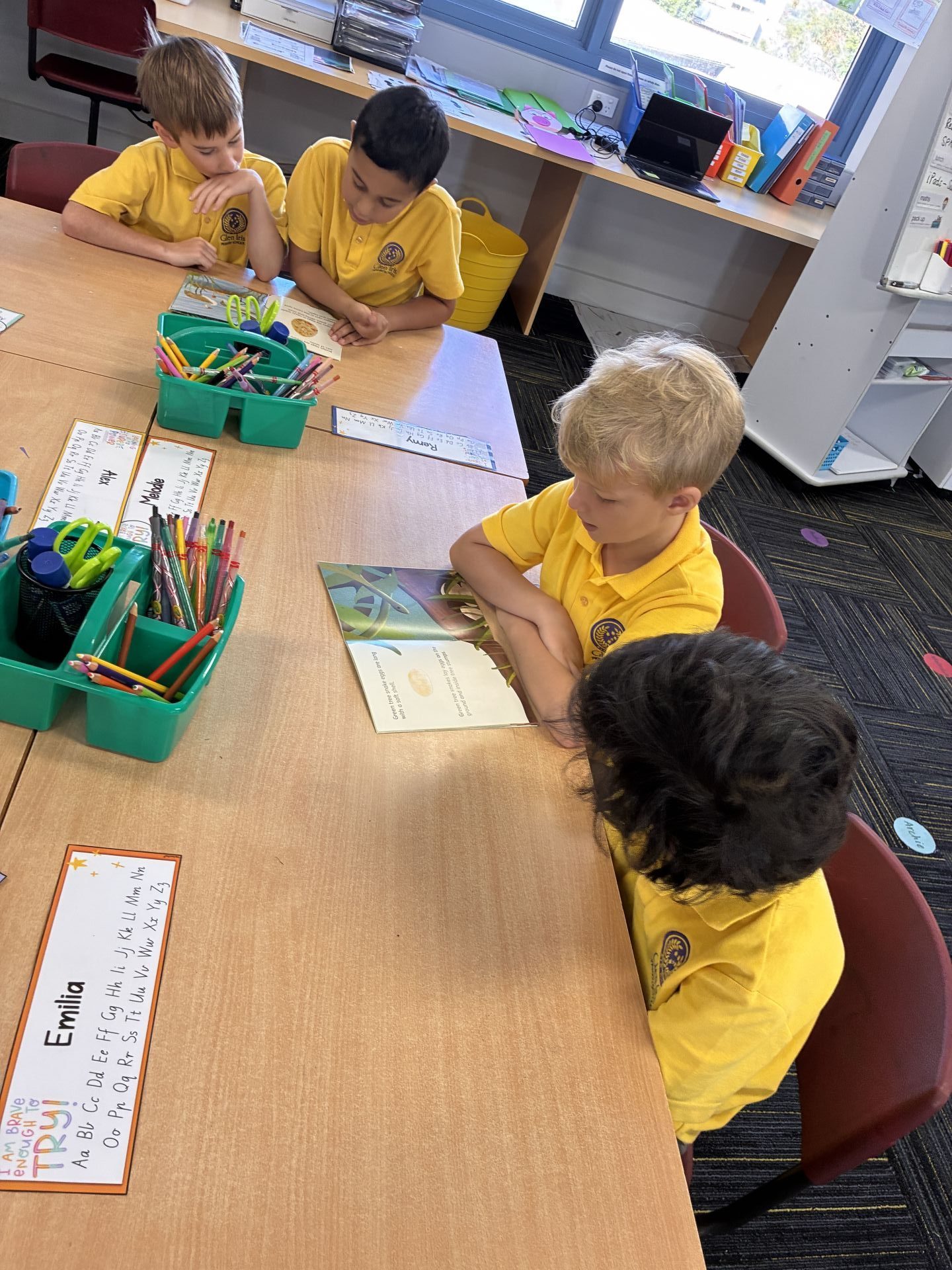
This week, our Grade One students have been working in their Literacy Groups to build their decoding skills, improve reading fluency, and strengthen their understanding of texts. It’s been wonderful to see their confidence grow as they practise reading each day.

Next steps

You can help your child by encouraging daily reading and supporting them to decode unfamiliar or tricky words, stretching and blending sounds. After reading, engage in a book chat with your child, prompting them to retell the story, ensuring the sequence events in the correct order.
In our grade two classrooms

In Year 2, we have been learning about emotions, how they feel in our bodies, and how to check in with ourselves throughout the day. Using the Zones of Regulation, students are building their ability to recognise which “zone” they are in and what that means for their behaviour and learning. Identifying emotions helps children develop self-awareness and supports them to regulate their responses, make positive choices, and communicate their needs more effectively.

Next Steps
You can support this learning at home by encouraging regular check-ins with your child. For example, you might ask, “What zone are you in right now?” or “How is your body feeling?” Modelling your own emotions is also a powerful strategy. Sharing things like, “I’m feeling a bit overwhelmed, I think I’m in the yellow zone, so I’m going to take some deep breaths,” helps children see that all emotions are normal and manageable.
In our grade three classrooms

Police Visit

Grade 3 had an exciting and memorable visit from the police, who spoke to us about rules and laws. This engaging session was a fantastic way to wrap up our unit from last term!

Students eagerly discussed the rules we follow at home and at school, along with the consequences of not following them...many noting that loss of screen time was a common result.

The highlight of the visit was the students’ curiosity and enthusiasm. They asked a range of thoughtful and insightful questions, including, “How old do you have to be to join the police force?” and “What happens if a police officer breaks the law?”

It was a wonderful learning experience that sparked great discussion and curiosity among our Grade 3 students! Thank you to Victoria Police for making the time and visiting us.
Grade 3 Fractions

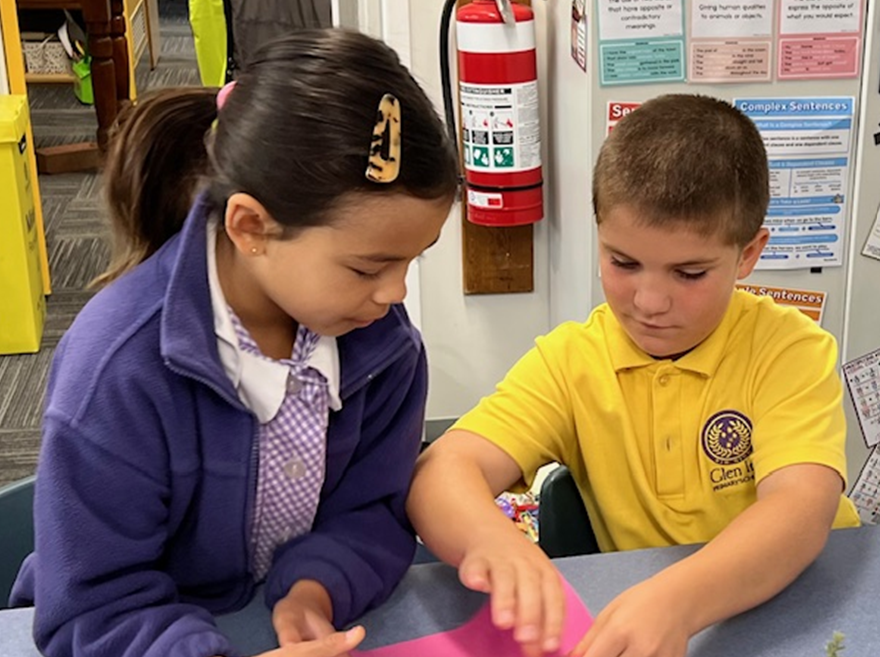
Grade 3 has dived enthusiastically into the world of fractions this week! We’ve been busy learning how to name and identify fractions, focusing on unit fractions such as halves, thirds, quarters, fifths and tenths, as well as their multiples.

Students have been practising how to recognise and represent these fractions in a variety of ways.

There has been lots of hands-on fun in the classroom, with students folding paper to create and represent different fractional parts. This practical approach has also helped them begin to identify simple equivalent fractions.

It’s been wonderful to see their confidence and understanding grow as they explore this important maths concept!

How you can support learning at home:

You can help your child build confidence with fractions through simple, everyday activities. In the kitchen, try cutting foods like sandwiches, pizzas, or fruit into halves, quarters, or eighths and talk about the different parts. Ask questions like, “If we put these two quarters together, what do we have?”

You can also explore fractions through folding paper into equal parts to make halves, thirds, or quarters, or draw shapes and shade different fractions.

Finally, keep an eye out for fractions in daily life, such as measuring ingredients, telling the time (half past, quarter past), or even discussing portions. Talking about these real-life examples helps make fractions meaningful and fun!
In our grade four classrooms

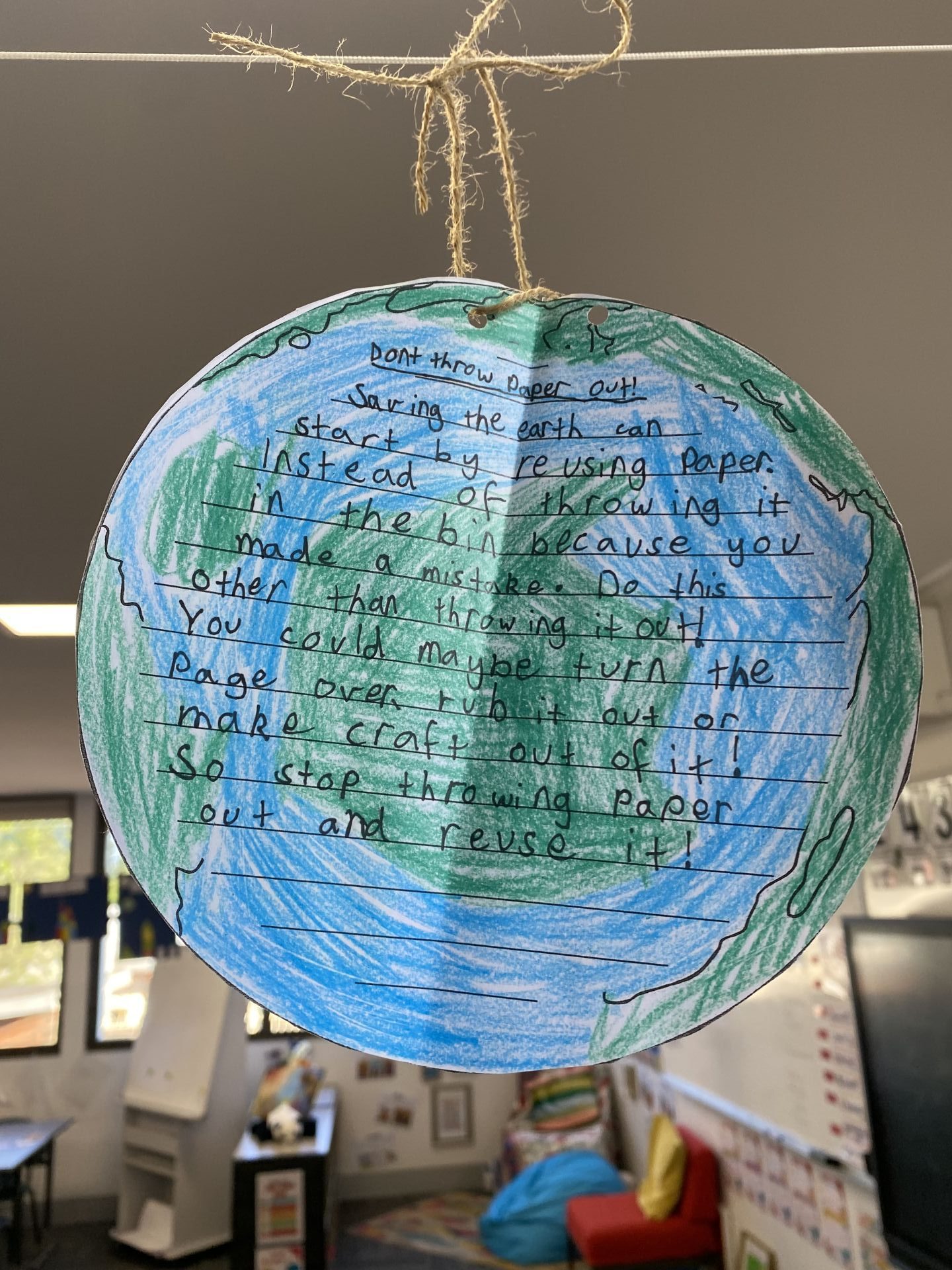
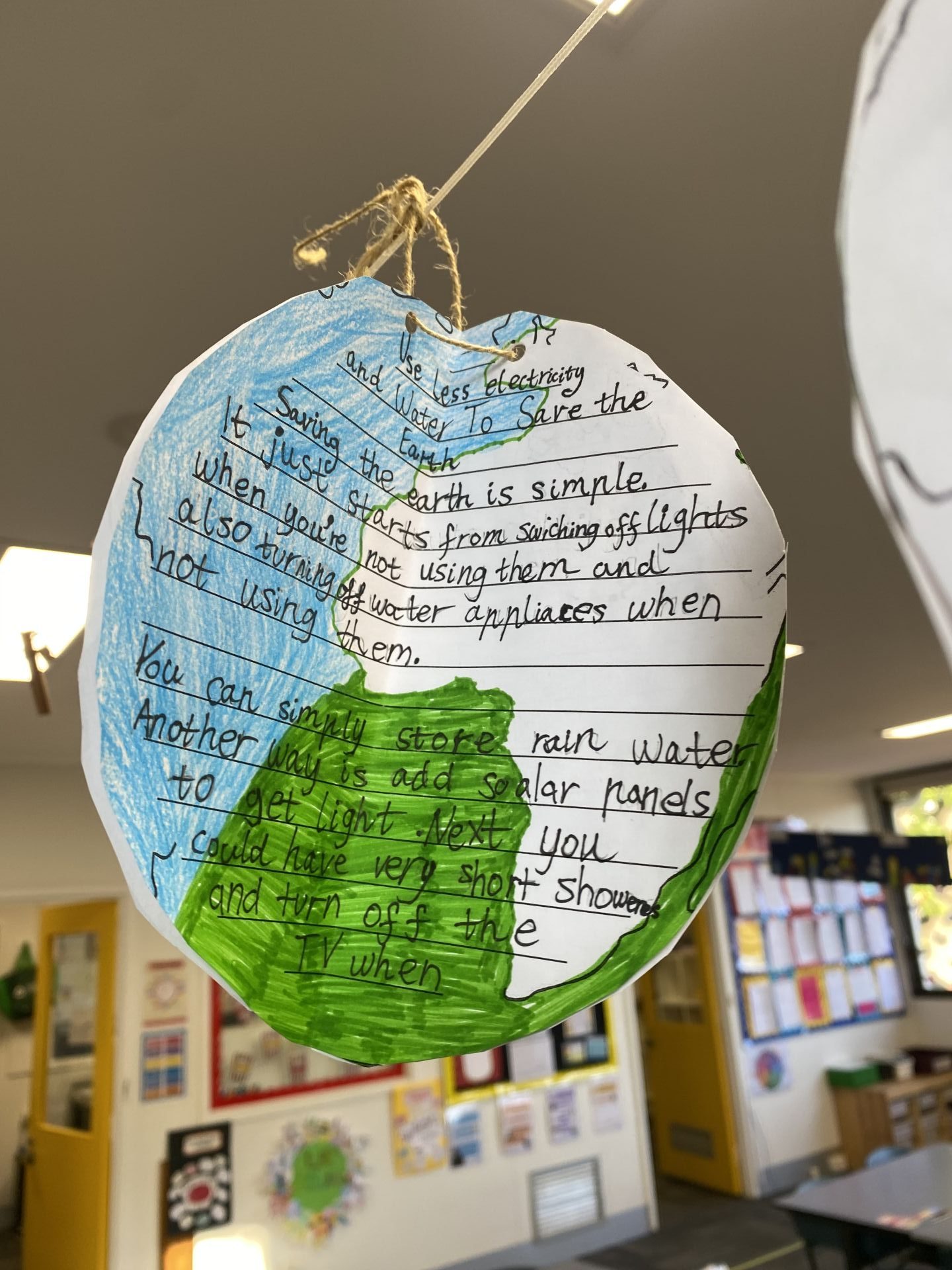
In Year 4, students read and learnt about Earth Day and discussed ways they can help care for the environment. Each student chose one action they can take, such as turning off lights when leaving a room or reusing paper. In 4F, students then created a display to share their personal goal and how they can help make a difference.

You can support this learning at home by:

  • Asking your child about their goal and encouraging them to follow through with it at home.
In our grade five and six classrooms

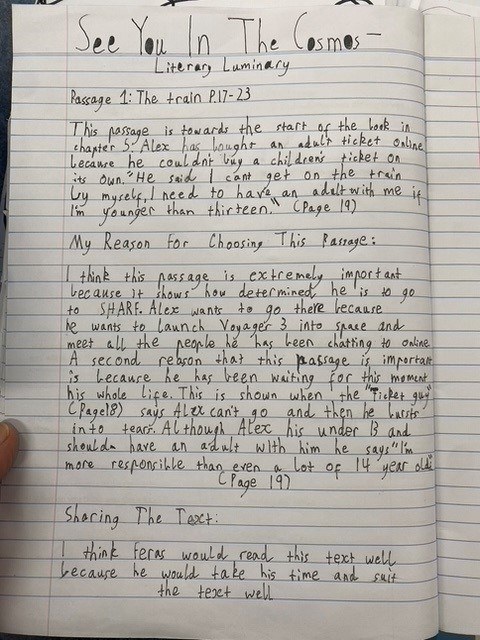
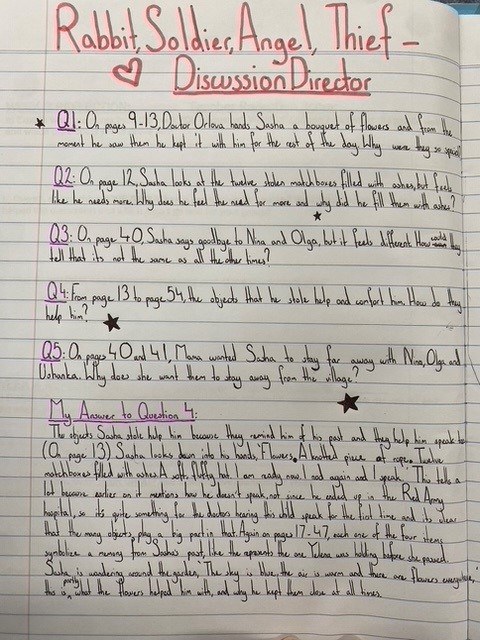
Grade 5 and 6 have begun Lit Circles independent books this term. With much excitement, students chose novels from a wide scope. These include fantasy, biographies, sci-fi mystery and novels based on real events such as WWII. The novel is split into four parts for students to read and respond to over four weeks. In class, students participate in discussions with their group about the novel, their thoughts, opinions and analysis. Parent are encouraged to continue discussion at home about the novels their child has chosen. There are many with challenging ideas and themes and students would benefit from further discussion. Lit Circles roles are due every Monday.
In our art room

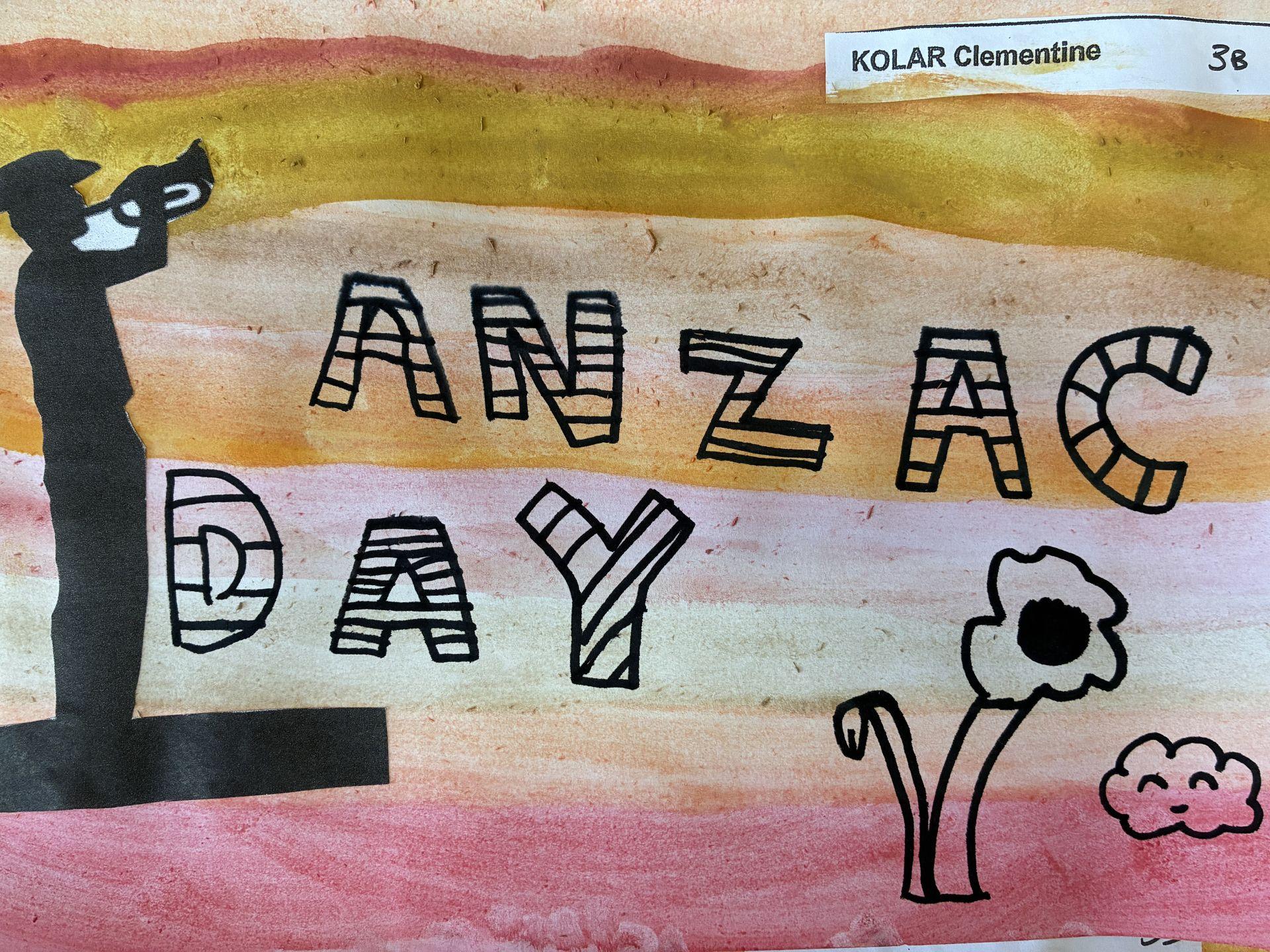
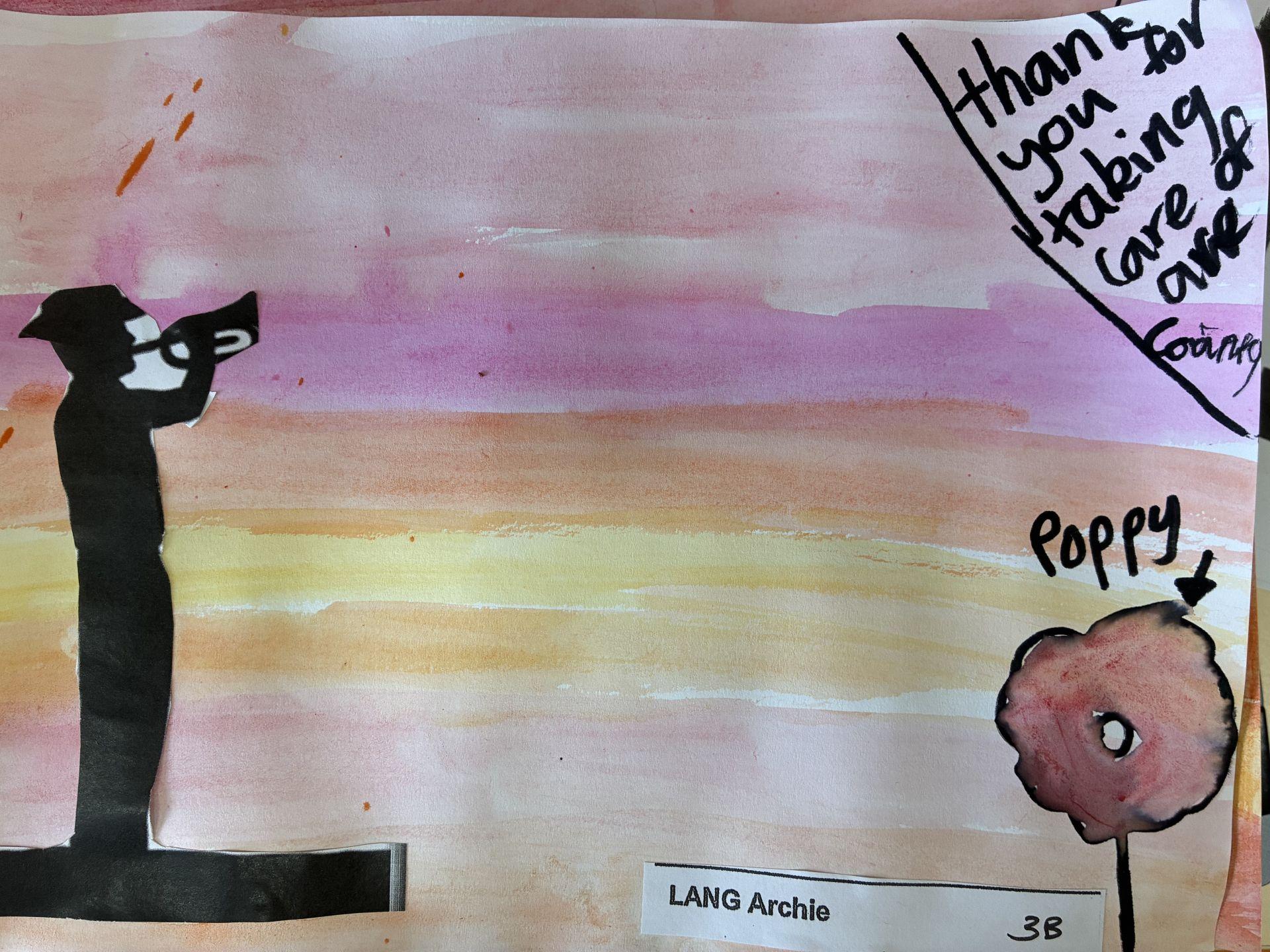
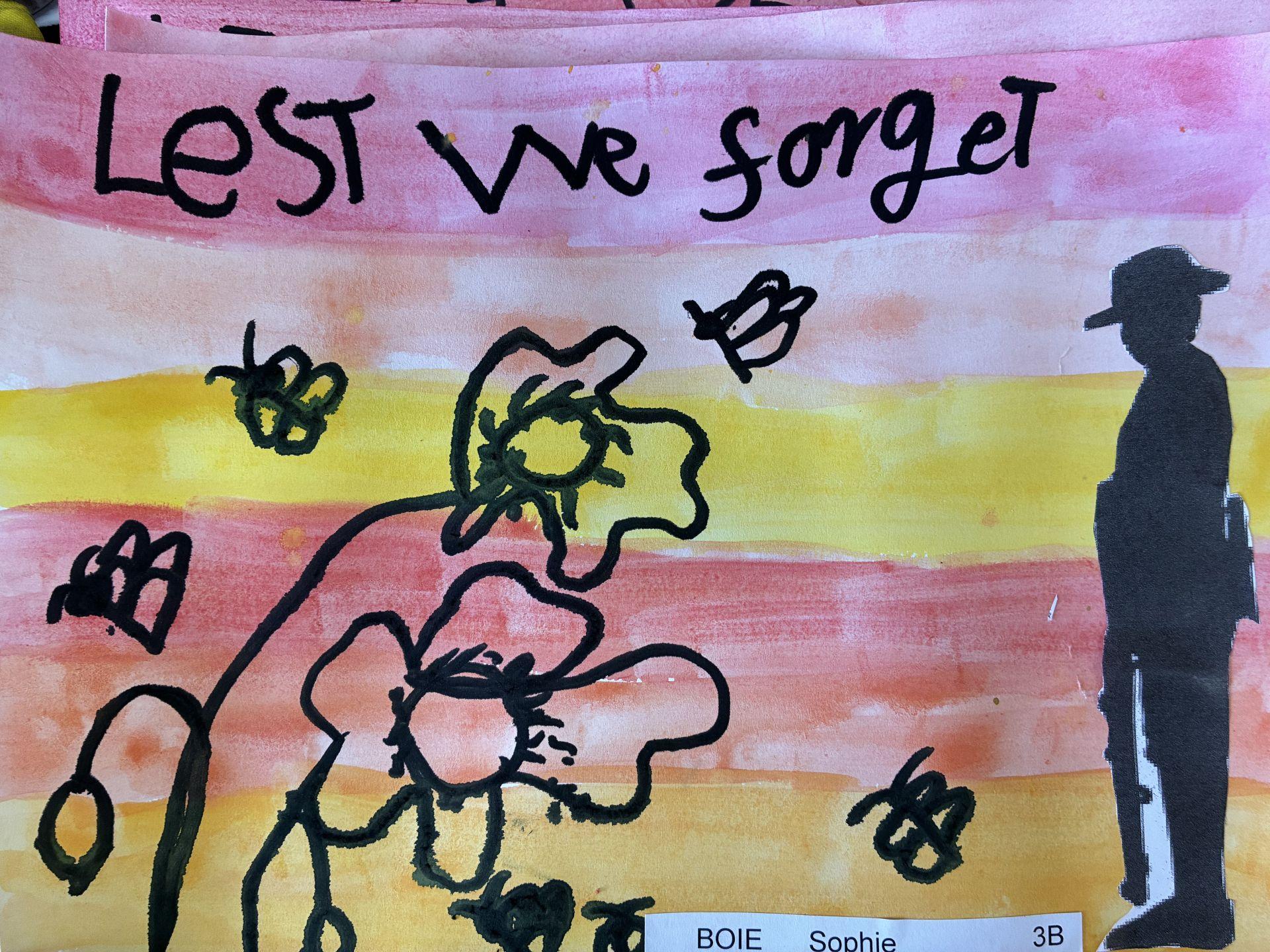
Students have worked with so much care, respect and kindness on commemorating ANZAC Day. Junior students have made new poppies for our Heart of Poppies on the oval fence, a permanent installation created by all students at the school. Senior students painted a poster of the dawn service, incorporating silhouettes and ANZAC motifs. Lest we forget.
In Spanish

Year 5/6 students have begun the term by revising key language and concepts learned last year, helping to build confidence and reinforce their understanding. They are now preparing to begin reading our next Spanish book, which will support the development of their reading comprehension skills in the target language and expand their vocabulary through engaging and meaningful contexts.

In our staffroom

Understanding Changes to School Reports in 2026

From 2026, families will notice a change in the way our school reports student learning. These updates are being made to ensure our reporting remains aligned with the Victorian Department of Education direction for student reporting as reporting requirements continue to evolve for 2027 and beyond. The Department has been working to make school reports clearer, more consistent and easier for families to understand across all Victorian schools. At present, reports are required to include a teacher judgement, student progress and a five-point scale for each learning area.

What is changing in our reports?

Previously, many school reports included:

  • a written summary explaining what students learned in each subject
  • detailed indicators showing how students performed against individual skills
  • multiple descriptors that could sometimes feel overwhelming for families to interpret

From 2026, our reports will become more streamlined.

Families will no longer see:

  • individual subject blurbs describing each unit of learning
  • separate indicators for every skill within a subject area

Instead, reports will focus on a clear five-point scale that shows how your child is progressing in each learning area.

What families will see instead

Each subject will include a 5-point achievement scale, which gives a clearer picture of how your child is performing against the expected standard for their year level.

The scale may be understood as:

Well Above Standard
Your child is demonstrating learning significantly above the expected level.

Above Standard
Your child is achieving above the expected level.

At Standard
Your child is achieving at the expected level for their year.

Below Standard
Your child is working towards the expected level and may need additional support.

Well Below Standard
Your child is currently working well below the expected level and requires significant support.

The Department requires all Victorian schools to include a five-point scale because it provides families with a clearer understanding of student achievement and progress over time.

Why these changes are being made

The purpose of these changes is to make reports:

  • easier to read
  • more consistent across schools
  • clearer for families
  • more focused on student progress

Rather than reading through lengthy written comments for every subject, families will be able to quickly see how their child is progressing in each area of learning.

What stays the same

Although the format is changing, our commitment remains the same.

Families will still receive:

  • meaningful information about student learning
  • opportunities to discuss progress with teachers
  • support in understanding next steps for learning

Teachers will continue to know each child as an individual and use assessment information to guide their growth.

Looking ahead

These 2026 changes help prepare our school for the broader reporting changes being introduced by the Department from 2027 onward. By moving to a clearer reporting format now, we hope families will find reports simpler, more useful and easier to understand.

If you have any questions about the new reporting format, we encourage you to speak with your child’s classroom teacher or school leadership team. We encourage you to engage with our year level newsletters, which include descriptions on what your children are learning each term.

Supporting Every Child to Thrive

Over the coming newsletters, we’ll be sharing a series of wellbeing-focused articles in our newsletter to give families greater insight into the approaches and programs we use to support students. Many parents have expressed interest in understanding how we teach children to manage emotions, build resilience, and navigate social challenges, and we’re excited to open that window for you.

At our school, student wellbeing is at the heart of everything we do. We use a range of evidence-informed programs to help children develop emotional awareness, positive relationships, and effective coping strategies. These include the Berry Street Education Model, Zones of Regulation, RRRR (Respectful Relationships), and The Resilience Project. Together, these approaches provide a consistent and supportive framework for students from Prep through to Year 6.

In addition to these programs, we use a restorative approach when supporting students through conflict or challenges. Our process, called Face Up, Fix It, Finished, is based on the work of Margaret Thorsborne and her “4 Fs” model: Fess Up, Face Up, Fix Up, Finish Up. This model was originally developed to support children with additional needs and has since been adapted in schools to make the language and process accessible for a wider range of learners.

This approach helps students to:

  • Take responsibility for their actions
  • Understand the impact of their behaviour on others
  • Repair relationships in a meaningful way
  • Move forward positively

Importantly, this process isn’t just for “big” issues—it’s used in everyday situations to build accountability, empathy, and problem-solving skills. It supports all students in learning how to manage conflict respectfully and constructively.

In upcoming newsletters, we’ll take a closer look at each of these programs and practices, including practical examples and ways you can support this learning at home.

We look forward to sharing this journey with you. Shaye Bradbury, Acting Assistant Principal

In our community

Subject💐 Last Chance – Mother’s Day Lunch! 🎉

Our GIPS Mother’s Day Lunch is just around the corner, and you have two days left to book your seat.

Join us for a wonderful afternoon celebrating our amazing mums and caregivers while supporting fundraising for new student furniture. With limited seats remaining, now is the time to secure your spot.

📅 Friday 8 May, from 12:30pm
📍 Lemnos Greek Tavern, Prahran (BYO)

🎟️ Book now: https://www.trybooking.com/DLBFJ

If you can’t attend, you can still support our school community by making a donation via the link.

We can’t wait to celebrate with you! 💜

School Council

Parent Payment Updates

Dear Parents and Carers,

Thank you to the many families who have already made their Parent Payments for 2026. Your support is greatly appreciated and directly benefits every student in our school.

If you haven’t yet made your payment, we kindly ask that you do so via the Compass app.

At present, 61% of families have contributed, with $103,000 received to date. Over 60% of these funds have already been spent to set up classrooms for the beginning of the school year, ensuring students started the year with the resources they need. There are still a number of curriculum based and essential classroom resources scheduled for purchase throughout Term 2, which rely on Parent Payments to be fully funded and delivered as planned.

Parent Payments provide essential resources that students use every day, including classroom supplies (books, stationery, art materials, STEM, PE and Spanish resources) and key digital learning tools such as Seesaw, Mathletics, Storybox Library, PM eCollection, Sound Waves, and Maths Online.

These contributions ensure we can maintain and enhance high-quality learning programs and provide well-resourced, engaging classrooms across the school. While

government funding provides core staffing and essential provision, Parent Payments allow us to deliver the enriched learning environment our students experience every day.

If you haven’t yet contributed, we would greatly appreciate your support in doing so. Login to Compass Portal or App and click ‘Course Confirmations’ above the newsfeed or you can pay in person at school.

For flexible payment options or assistance, please contact the office on 9885 3624 or glen.iris.ps@education.vic.gov.au.

Thank you for your ongoing support of our school.

Kind regards,

Joanne Hayes

Business Manager

on behalf of School Council

Chess Alive
Possible Industrial Action – 9 June 2026

Families are advised that potential stop work action may occur on Tuesday 9 June 2026, which may result in some or all classes not operating until 1:00pm on that day.

At this stage, we will provide families with further information closer to the date in line with advice from the Victorian Department of Education and the Department's communication timeline. We appreciate your understanding and will keep families updated as more details become available.

Walk-a-thon Totals

Thank you so much for your generous support of our Walk-a-thon. So far, we have raised an incredible $9,835.77 toward our $11,000 fundraising goal. We are now just $1,164.23 short of reaching our target, and we would love to see if we can get there with your continued support. If you have been meaning to make a donation, there is still time to help us cross the finish line. Every contribution, no matter the size, makes a real difference for our school community. Thank you again for your ongoing support and generosity.

2027 Prep Enrolments Now Open

2027 Prep Enrolments are now open and close 31 July 2026.

This year our school is using an online system for new enrolments to Victorian government schools called VicStudents.   VicStudents is available for students who are enrolling in a Victorian Government School for the first time. This includes Foundation (Prep) enrolments for 2027.

VicStudents has been assessed by the Department of Education to a high degree of security in line with the Victorian Protective Data Security Standards and is compliant with ISO 27001, the leading international standard for information security.

To commence online enrolment: Visit https://students.educationapps... to create an account and complete the online application form. Please ensure that all documents required are attached to the application. This process can commence at the end of April 2026.

A Quick Reference Guide to using the online system is available here.

2027 Foundation (Prep) enrolment

Our school zone

Our school zone is available on findmyschool.vic.gov.au which hosts the most up-to-date information on school zones in Victoria.

Students residing within our school zone are guaranteed a place at our school, which is determined based on your permanent residential address.

Our school manages enrolments using the Placement Policy to ensure that students have access to their designated neighbourhood school and may enrol at another school, if there are available places.

For more information, you can:

  • visit School zones for answers to frequently asked questions
  • call the Victorian School Building Authority (VSBA) on 1800 896 950

2027 Foundation (Prep) enrolments

The Department of Education has released the statewide Foundation (Prep) enrolment timeline for the 2027 school year.

The timeline advises families when and how to enrol their child into Foundation (Prep) at a Victorian government primary school, including our school.

All government primary schools will follow the timeline in 2026 to support Foundation (Prep) enrolments for the 2027 school year.

You can find information and resources about the timeline, including factsheets and a poster at: Enrolling in Foundation (Prep).

What you need to do:

    • Parents/carers can submit their enrolment applications from the start of Term 2, 2026. This follows the release of 2027 zones on the department’s Find my School website and the publication of Foundation enrolment information packs.
    • Enrolment applications from parents/carers are due by the last Friday of July, 31 July 2026.
    • Schools notify parents and carers of the outcome of enrolment applications between Monday 3 August and Friday 14 August 2026.
    • Parents/carers who receive an enrolment offer should respond to the offer by Friday 28 August 2026.
    • Written appeals from parents/carers are to be lodged with schools by Friday 28 August 2026.
    • Schools notify parents and carers in writing of the outcome of appeals by Friday 11 September 2026.
    • Take part in enrolment information and transition sessions during Term 4, 2026.

Enrolment applications submitted after 31 July 2026 will be processed by our school as they are received, in accordance with the department’s Placement Policy. Following 31 July 2026, we can only accept paper enrolments which can be found in the Enrolling in Foundation (Prep) pack.

2026 enrolments or Year 1-6 2027 Enrolments

Enrolment forms (for use outside of the Prep 2026 Enrolment Process) can be found here. They cannot be made on the Insight platform.

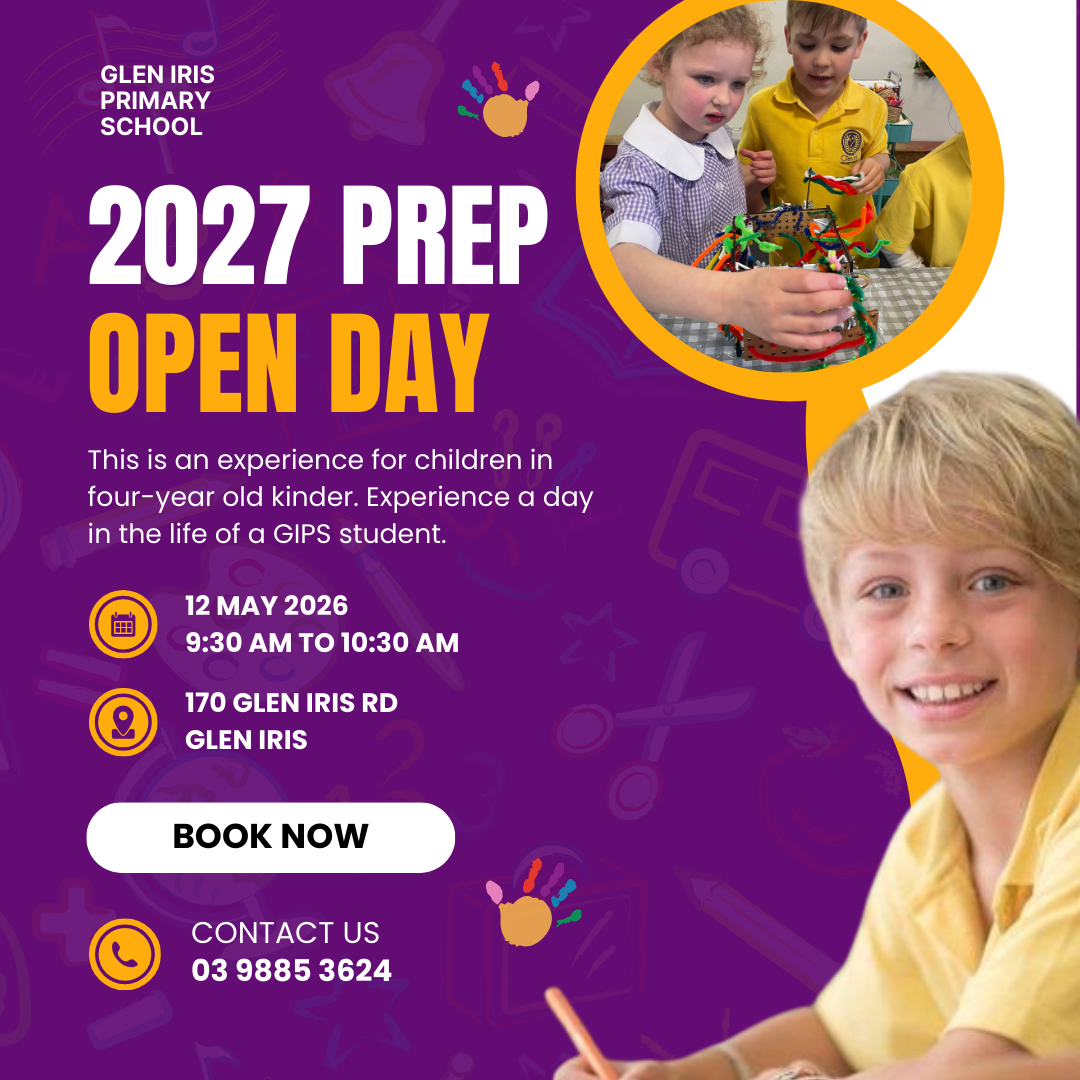
2027 Prep Open Day

This year, our Open House Day is designed to supplement a school tour and Information Evening. This day is specifically designed for the children who may be enrolled at our school. It is unlike our Information Evening (designed for families) or our School Tours (also designed for families).

During Open House Day, GIPS students will take small groups of prospective students (with their parents) around to different activities aimed to capture "A Day in the Life at GIPS". Please only enrol if you are an interested 2027 Prep family. Future enrolments can attend a following year. To register your interest, please fill in the form below. Bookings are required. If you have any questions, contact our front office at (03) 9885 3624 or glen.iris.ps@education.vic.gov.au .
Visit here to book.

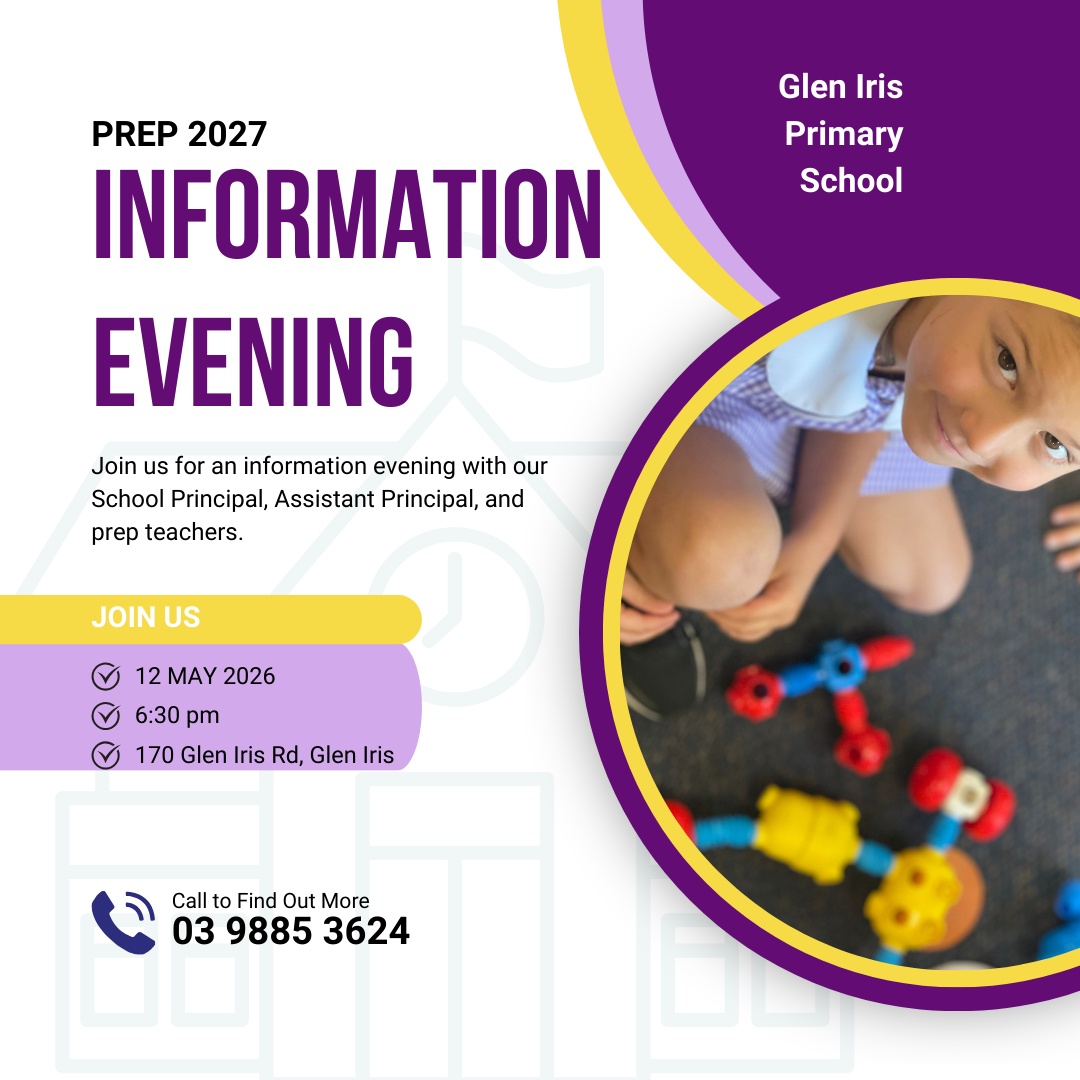
Prep 2027 Information Evening
Visit here to book.

Upcoming Dates

See Compass comms

See Compass comms

Please see communication in this newsletter

Please see upcoming Compass communication.

Please see upcoming Compass communication. Volunteers needed.

Team Kids will be available.

Please see upcoming Compass communication.

Please see upcoming Compass communication.

Please see upcoming Compass communication.

Please see upcoming Compass communication.

Welcome back!

Parent Teacher Interviews are also on this day.

Please see upcoming Compass communication.

Please see upcoming Compass communication.

Please see upcoming Compass communication.

Please see upcoming Compass communication. Volunteers needed.

Please see upcoming Compass communication. Volunteers needed.

Please see upcoming Compass communication.

Please see upcoming Compass communication.

Please see upcoming Compass communication.

Please see upcoming Compass communication.

Please see upcoming Compass communication.

Please see upcoming Compass communication.

Welcome back!

Please see upcoming Compass communication.

Please see upcoming Compass communication. Volunteers needed.

Please see upcoming Compass communication.

Please see upcoming Compass communication.

Please see upcoming Compass communication.

Please see upcoming Compass communication. Volunteers needed.

Please see upcoming Compass communication.

Please see upcoming Compass communication.

Please see upcoming Compass communication. Volunteers needed.

Please see upcoming Compass communication. Volunteers needed.

Please see upcoming Compass communication.

Happy holidays!

Share

Read Next